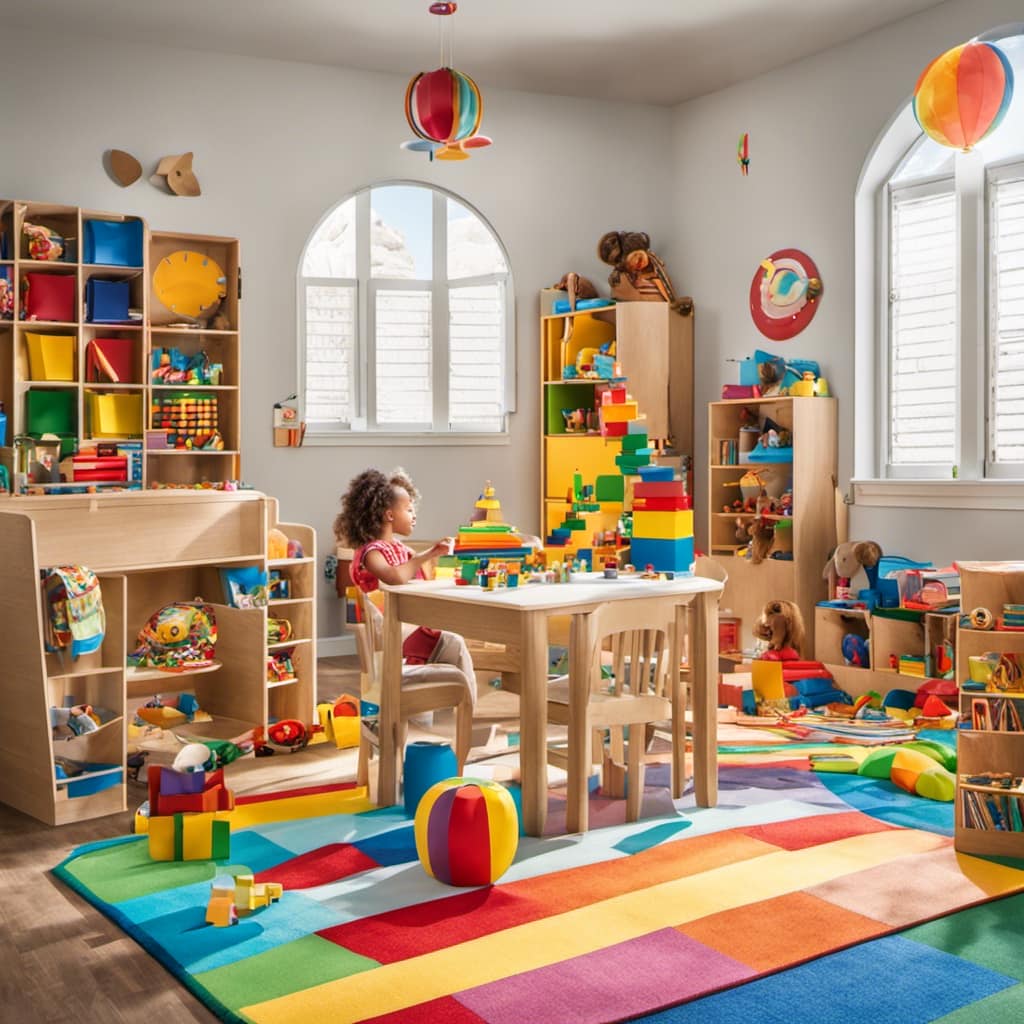


Playing regularly can considerably boost your mental health by sparking joy, lowering stress hormones, and strengthening resilience. Engaging in playful activities releases feel-good chemicals like endorphins and dopamine, helping you feel happier and more relaxed. Play also builds mental flexibility, making it easier to handle setbacks and challenges. Plus, social play nurtures connections, reducing loneliness and boosting optimism. Stick around to uncover more ways play can support your emotional well-being and help you thrive.
Key Takeaways
- Play reduces stress hormones like cortisol, helping to unwind and improve emotional well-being.
- Engaging in playful activities releases endorphins and dopamine, boosting happiness and mood.
- Play fosters resilience by enhancing problem-solving skills and mental flexibility during challenges.
- Social play strengthens bonds, reduces loneliness, and supports emotional health through social connection.
- Regular play serves as a strategic tool for stress relief, joy, and building long-term mental resilience.

Have you ever wondered how play impacts your mental well-being? It’s more powerful than you might realize. Play isn’t just for kids; it’s a essential part of maintaining your mental health at any age. Engaging in playful activities can serve as a form of stress relief, helping you unwind from daily pressures and reset your emotional state. One way play contributes to this is through play therapy, a therapeutic approach that uses play to help individuals process feelings, reduce anxiety, and build resilience. Even if you’re not in therapy, embracing playful moments can mimic some of these benefits, offering a natural way to cope with stress.
Play is essential for mental health at any age, helping reduce stress and build resilience naturally.
When life becomes overwhelming, play acts as a healthy outlet. It allows you to temporarily step away from responsibilities and concerns, giving your mind a break. Whether it’s playing a game, doodling, or engaging in a physical activity, play stimulates your brain in a way that reduces cortisol, the hormone linked to stress. This stress relief isn’t just about feeling good in the moment; it’s about creating a mental buffer against future challenges. Regularly incorporating play into your routine can boost your mood, enhance your problem-solving skills, and improve your overall mental resilience.
Play also fosters a sense of joy and accomplishment. When you’re fully immersed in a playful activity, your brain releases endorphins and dopamine, natural chemicals that elevate your mood. This not only makes you feel happier but also reinforces a positive outlook on life. The more you engage in playful activities, the better equipped you are to handle setbacks and setbacks, turning stress into manageable hurdles rather than overwhelming obstacles. This resilience is essential for maintaining good mental health over time, especially when faced with setbacks or adversity.
Furthermore, play encourages social interaction, which is another key element in stress management and mental well-being. Playing with others helps build connections, reduce feelings of loneliness, and foster a sense of belonging. These social bonds are proven to buffer against depression and anxiety, making play an essential tool for emotional health. Whether you’re playing with friends, family, or even pets, these interactions boost your mood and help you develop a more optimistic outlook.
In essence, play isn’t just about fun; it’s a strategic, natural way to support your mental health. It offers stress relief, promotes joy, and helps build resilience, making it easier to navigate life’s ups and downs. By intentionally including playful moments in your day, you’re actively investing in your mental well-being, strengthening your capacity to face challenges with a positive attitude and a resilient spirit. Recognizing the importance of visionary insights can motivate you to see play as a vital component of mental health.
Frequently Asked Questions
How Does Play Influence Brain Development in Children?
Play profoundly influences your child’s brain development by enhancing cognitive skills and fostering emotional growth. When your child engages in play therapy, they develop problem-solving, creativity, and social abilities. Play stimulates neural connections, strengthening cognitive development. Active play encourages exploration and learning, which builds resilience and adaptability. You can support this process by providing diverse play opportunities, knowing that play is essential for your child’s healthy brain growth and overall development.
Can Adult Play Improve Mental Health as Effectively as Childhood Play?
Yes, adult recreation and playfulness in adults can markedly improve mental health. Engaging in playful activities boosts your mood, reduces stress, and fosters social connections, much like childhood play. When you embrace playfulness now, you activate your brain’s reward system, build resilience, and create a sense of joy. So, making time for play as an adult isn’t just fun—it’s a powerful way to enhance your overall mental well-being.
What Types of Play Are Best for Reducing Anxiety?
Think of play as your mental detox. Engaging in creative expression, like painting or writing, helps you process emotions and reduce anxiety. Nature exploration acts like a reset button, calming your mind and lowering stress levels. Combining these playful activities creates a powerful shield against anxiety, allowing you to reconnect with yourself and find peace amidst chaos. So, pick up a brush or step outside—you’ll feel the difference instantly.
How Can Play Be Integrated Into Therapy for Mental Health Treatment?
You can integrate play into therapy by using play therapy techniques and creative interventions that engage clients actively. Incorporate activities like art, role-playing, or storytelling to help clients express emotions and explore issues safely. These methods foster trust and insight while making therapy enjoyable. You, as a therapist, should tailor play activities to each individual’s needs, creating a supportive environment that promotes healing and resilience through engaging, meaningful play.
Are There Cultural Differences in How Play Impacts Mental Health?
Cultural differences in play are like night and day, shaping how it impacts mental health. Your cultural play practices influence the benefits you get, with some cultures emphasizing social connection and others fostering individual creativity. These cross-cultural play benefits show that while play boosts resilience everywhere, its specific forms and effects vary globally. Understanding these differences helps tailor mental health strategies that respect and incorporate diverse play traditions.
Conclusion
Remember, play isn’t just about fun—it’s a essential part of maintaining your mental health. When you embrace joy and allow yourself to unwind, you build resilience and reduce stress. Life can be a rollercoaster, but by making time for play, you’re giving yourself a critical edge. So don’t wait for the storm to pass; find moments to play now. After all, a little laughter can go a long way in keeping your spirits high.