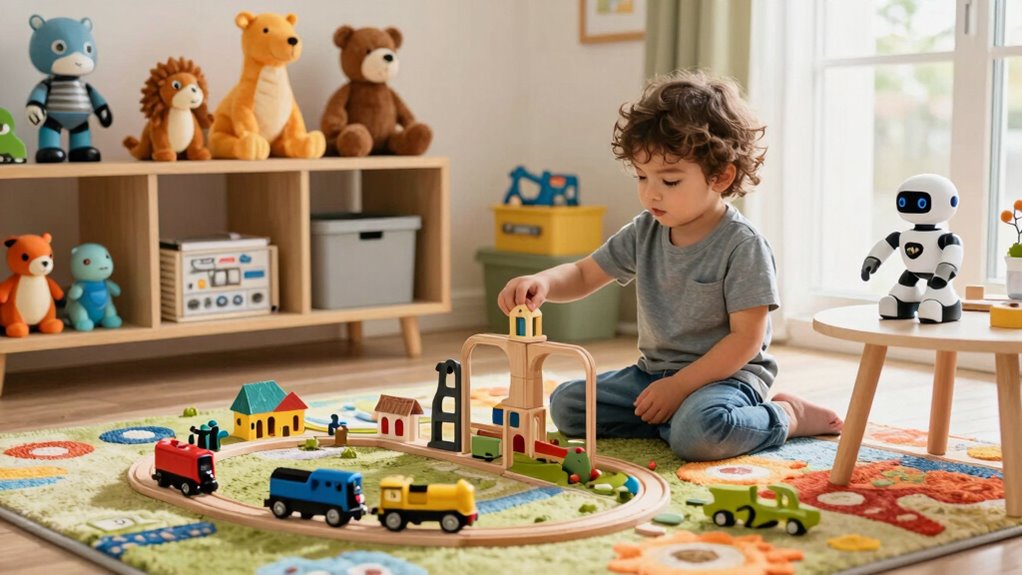

To match big-ticket toys to your child’s play style, observe how they naturally explore and interact with their current toys. Engage with them during play to understand their interests—whether they prefer active, imaginative, or solitary play. Consider safety and developmental needs, choosing toys that challenge or inspire them accordingly. By paying close attention to their preferences and habits, you guarantee the toy supports their growth and happiness. Keep exploring to discover more helpful tips.

Get baby and family essentials delivered free — and shop member deals
- Fast, free delivery on millions of items
- Access to Prime Big Deal Days deals on October 6–7
- Prime Video, Amazon Music and more included
Key Takeaways
- Observe whether your child prefers solo exploration, social play, or physical activity to choose toys that match their play style.
- Select large toys that encourage your child’s specific interests, such as adventure, storytelling, or active movement.
- Involve your child in toy selection to ensure the big-ticket item aligns with their preferences and developmental stage.
- Prioritize safety features and durability to support safe, engaging play suited to your child’s activity level.
- Create a play environment that fosters exploration, confidence, and enjoyment with the chosen big-ticket toy.
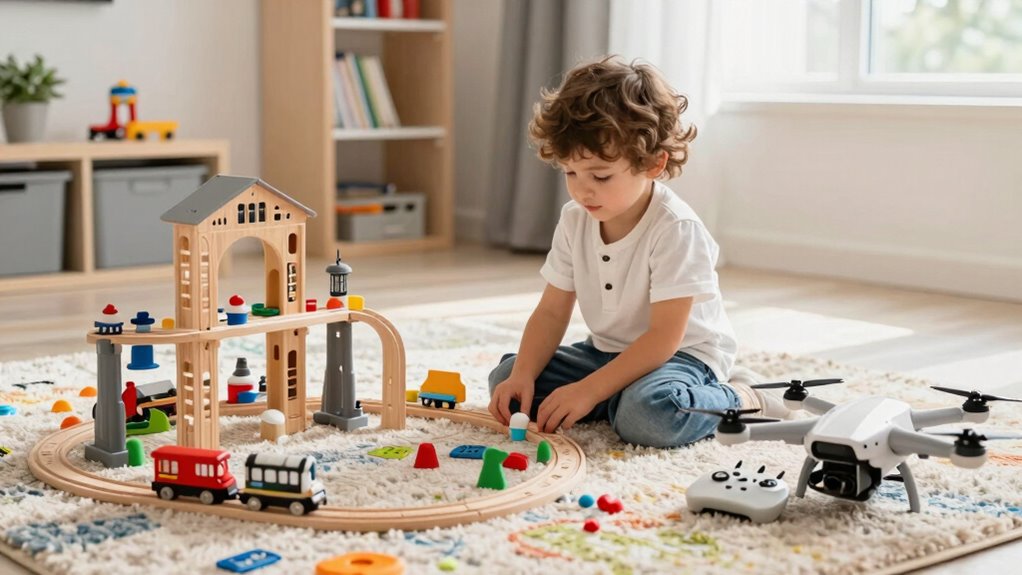
Choosing the right big-ticket toy can greatly enhance your child’s playtime experience, but it’s important to take into account their unique play style. Every child approaches play differently, whether they’re adventurous explorers, imaginative storytellers, or active movers. Understanding their preferences helps you select toys that not only entertain but also support their development. When considering a large toy, think about how your child naturally engages with the world—do they prefer solo adventures, social play, or physical activity? This insight guides you in choosing a toy that aligns with their interests, making playtime both fun and meaningful. Recognizing your child’s play style can help you make more informed choices that foster their growth and happiness. Additionally, being aware of child development stages can assist in selecting toys that promote appropriate skills and challenges. Observing how your child interacts with different toys over time can also reveal evolving interests and needs. Paying attention to a child’s behavior patterns during play can further inform your choices, ensuring the toy supports their individual needs. Incorporating knowledge of developmental milestones can also help you select toys that are suitable for their age and skill level.
Parent involvement plays a vital role in this process. Instead of just buying a toy and letting your child figure it out on their own, engage with them during selection and play. Ask questions about what excites them or what they’d like to try. When you’re involved, you gain a better understanding of their preferences and can help them explore the toy’s features safely. Your presence also encourages safe play, especially with large toys that may require supervision. Being actively involved allows you to set boundaries and guide them on how to use the toy properly, promoting a sense of safety and confidence. This involvement reassures your child that their play is valued and supported, fostering a positive experience.
Safety considerations are essential when choosing big-ticket toys. Always check the manufacturer’s age recommendations and safety warnings. Large toys should have no sharp edges, small detachable parts, or choking hazards. Make sure the toy is sturdy and well-constructed to withstand active play without breaking or causing injury. Consider the space where your child will play—ensure it’s free of clutter or sharp objects that could cause accidents. Regularly inspect the toy for wear and tear, and teach your child how to use it responsibly. Remember, a safe environment enhances their freedom to explore and play confidently, without unnecessary risks. Incorporating safety standards can further ensure that the toy meets essential safety criteria.
Matching big-ticket toys to your child’s play style isn’t just about picking something fun but also about fostering their development safely and thoughtfully. Your involvement helps you understand their evolving interests, while safety considerations protect them during active play. When you combine these elements, you create a positive, engaging environment where your child can thrive, learn, and enjoy their playtime to the fullest.
big-ticket toys for active children
As an affiliate, we earn on qualifying purchases.
As an affiliate, we earn on qualifying purchases.
Frequently Asked Questions
How Do I Identify My Child’s Primary Play Style?
To identify your child’s primary play style, start with a play style assessment by observing how they engage with toys. Look for toy preference clues, like whether they enjoy building, pretending, or active play. Notice their reactions and which toys excite them most. Asking simple questions about their favorite activities can also reveal their play style. These clues help you choose toys that support their natural interests and development.
Are There Safety Considerations for Large Toys?
Big toys can be exciting, but safety comes first. You should guarantee toy safety by checking for sturdy construction, non-toxic materials, and age-appropriate labels. While large toys offer endless fun, unsafe designs or poor storage solutions can turn playtime into hazards. Always supervise your child, keep toys in safe locations, and regularly inspect them. Proper storage not only prevents accidents but also helps maintain the toy’s condition, ensuring ongoing safety and enjoyment.
How Often Should I Update or Rotate Toys?
You should update or rotate toys every few weeks to keep your child’s interest fresh. Use toy storage to organize and easily access different sets, making it simple to swap toys in and out. Always consider age appropriateness to guarantee safety and engagement. Rotating toys prevents clutter, encourages new play experiences, and helps you monitor which toys your child enjoys most, promoting a balanced and stimulating environment.
Can Big-Ticket Toys Encourage Social Play?
Big-ticket toys can definitely encourage social play because they often promote group activities and collaborative fun. When you make a toy investment in these items, you provide your child with opportunities for social development, like sharing, teamwork, and communication. By choosing big-ticket toys that foster interaction, you help your child build essential social skills while enjoying their playtime. These toys can become tools for meaningful social engagement.
What Budget Options Exist for High-Quality Toys?
Worried high-quality toys are too expensive? You can find budget-friendly options like collectible figurines and electronic gadgets that still offer great value. Look for sales, discounts, or second-hand stores to save money. Many brands produce durable, engaging toys at lower prices. These options let your child enjoy quality play without stretching your budget, ensuring they get the best experience without overspending.
Conclusion
Choosing the right big-ticket toy is like finding the perfect puzzle piece—it completes your child’s playtime and sparks their imagination. When you match toys to their unique play style, you’re not just buying a gift; you’re opening a door to endless adventures. Trust your instincts and observe their preferences. With the right fit, you’ll see their eyes light up like stars, turning playtime into a magical journey they’ll cherish forever.
Fall Picks
fall essentials
As an affiliate, we earn on qualifying purchases.