
TL;DR

Turn the school run and nap time into listening time
- Thousands of audiobooks, podcasts and originals
- Listen on your phone, tablet or Echo — also offline
- Cancel anytime
Ergonomic backpacks for kids are designed to distribute weight evenly, reduce strain, and promote good posture. Look for adjustable straps, proper fit, and safety features to keep your child comfortable and healthy.
Ever notice your child’s shoulders hunching under a bulky backpack? Or how they complain about backaches after school? That’s a sign their pack might not be doing its job right. The right ergonomic backpack can turn that struggle into comfort and support.
In this article, you’ll learn what makes a backpack ergonomic, recent innovations in design, and how to pick one that keeps your kid happy, safe, and healthy. Because when their pack fits well, their back thanks them.
Always ensure the backpack sits snugly against your child’s back, with the bottom no more than 2 inches below the waist.
Limit the weight to no more than 10-15% of your child’s body weight to prevent strain and pain.
Look for adjustable, padded straps and safety features like reflective elements when choosing a backpack.
Recent innovations include eco-friendly fabrics, tech integrations, and modular designs that appeal to kids.
Regularly check your child’s backpack fit and weight as they grow to maintain healthy posture.
What Does a Truly Ergonomic Backpack Look Like?
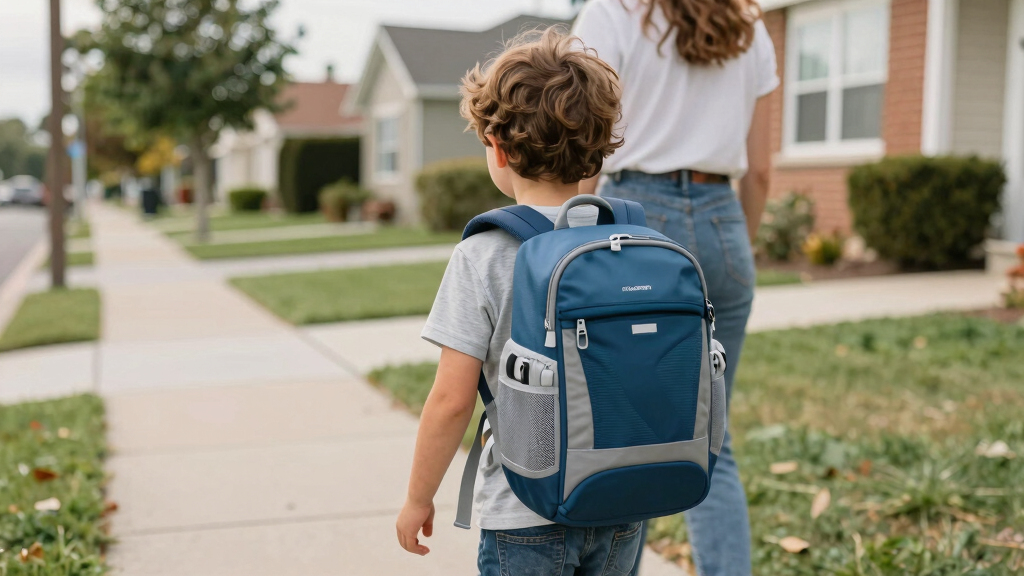
Ergonomic backpacks are more than just cool colors or fun patterns. They’re designed to sit snugly against your child’s back, with straps that adjust perfectly. The bottom of the pack should sit no more than 1-2 inches below the waist, so it doesn’t sway or pull on their shoulders.
Imagine a backpack with padded straps that hug the shoulders and a padded back panel that feels like a gentle cushion. These features help distribute weight evenly, preventing strain. For example, a 10-year-old carrying a heavy textbook shouldn’t feel pain in their neck or shoulders—an ergonomic design can make that pain disappear.
As an affiliate, we earn on qualifying purchases.
How to Tell if Your Kid’s Backpack Is Too Heavy or Poorly Fitted
- Check the weight: The backpack shouldn’t be more than 10-15% of your child’s body weight. A child weighing 80 pounds shouldn’t carry more than 12 pounds.
- Observe their posture: If they’re leaning forward or hunching, the pack might be too heavy or poorly fitted.
- Look for discomfort: Complaints of pain, tingling, or numbness are signs of poor fit or overload.
- Inspect the straps: Straps should sit snugly without pinching or slipping. Adjustable straps help customize the fit.
- Assess the pack’s position: It should sit evenly against the back, with the bottom no more than 1-2 inches below the waist.
Regularly checking your child’s backpack fit and weight is crucial because children are constantly growing. A pack that fits well today might become uncomfortable in a few months as they grow taller or gain weight. Moreover, an improperly fitted pack can shift during movement, leading to uneven weight distribution that strains muscles and causes postural issues. By staying vigilant, you help prevent future discomfort and promote healthy habits early on.
Comparison Table: Regular vs. Ergonomic Backpacks
| Feature | Regular Backpack | Ergonomic Backpack |
|---|---|---|
| Design Focus | Style and capacity | Fit, weight distribution, safety |
| Adjustability | Limited | Multiple adjustable straps |
| Materials | Standard fabrics | Lightweight, breathable, padded |
| Weight Capacity | Often exceeds recommended limits | Designed to stay within 10-15% of the child’s weight |
| Safety Features | Minimal | Reflective elements, ergonomic support |
What Features Make an Ergonomic Backpack Safe and Comfortable?
- Adjustable straps: Custom fit for shoulders and torso, preventing slipping, pinching, and uneven weight distribution. Properly adjusted straps ensure the load is close to the spine, reducing strain.
- Padded back panel: Cushions the back and provides support, helping maintain proper posture over extended periods. It also prevents pressure points that could lead to discomfort or long-term postural issues.
- Waist and chest straps: Stabilize the load and prevent shifting during movement, which is especially important during active school days or outdoor activities. They help distribute weight more evenly across the torso, reducing strain on shoulders and back.
- Lightweight materials: Reduce the overall weight of the pack, making it easier for children to carry without fatigue. Lighter packs decrease the likelihood of poor posture due to overexertion.
- Reflective elements: Enhance visibility in low-light conditions, significantly increasing safety during early morning or late afternoon walks. Bright, reflective patches or strips are crucial for preventing accidents.
Imagine your child walking home in the fading light—bright, reflective patches on their pack catch the eye of passing cars, keeping them safe. Choosing a backpack with these features means you’re investing in both comfort and safety, helping your child develop healthy habits that last a lifetime.
Latest Innovations Turning Kids’ Backpacks Into Safer, Cooler Gear
Designers are pushing boundaries with new materials and tech. Think ultra-light, eco-friendly fabrics that breathe better and weigh less. Some backpacks now feature built-in GPS trackers or charging ports—perfect for tech-savvy kids.
Brands are also offering more customization—bright colors, modular compartments, and funky patterns—so kids love what they carry. Safety gets a boost with reflective strips wrapped around every corner, especially in designs that glow in low light.
For example, a recent model uses recycled ocean plastics and has a built-in LED strip for visibility—combining eco-consciousness with safety.
These innovations not only make backpacks more appealing but also address key safety and health concerns. Lightweight, breathable fabrics reduce fatigue, while advanced safety features like integrated lights and GPS trackers provide peace of mind for parents. The tradeoff is often in cost—more advanced features tend to come at a higher price—yet the benefits in safety and durability often justify the investment, especially as they promote long-term healthy habits and tech integration that appeal to kids.
How to Pick the Best Ergonomic Backpack for Your Kid in 3 Easy Steps
- Measure and match: Have your child try on different packs. Check that the bottom sits no more than 1-2 inches below the waist, ensuring the weight is distributed close to the body. A proper fit minimizes shifting and uneven load, which can lead to discomfort or postural issues over time.
- Test the weight: Fill the pack with typical school supplies. It shouldn’t weigh more than 10-15% of their body weight. Overloading can cause immediate discomfort and long-term musculoskeletal problems, so understanding the capacity helps prevent this.
- Look for features: Ensure straps are adjustable, padded, and include safety features like reflective strips. These features not only enhance comfort but also promote safety during low-light conditions, encouraging good habits from the start.
Spend a few minutes trying different options—your child’s comfort and health are worth it. A well-selected backpack that fits properly and feels comfortable can make a significant difference in their daily school experience and long-term posture health.
Why Investing in an Ergonomic Backpack Pays Off Long Term
Choosing an ergonomic backpack isn’t just about comfort. It’s about preventing future back pain and postural issues. Kids who carry poorly fitted packs are more likely to develop musculoskeletal problems in adolescence and beyond.
Think of it like planting a seed—good support now can prevent years of discomfort later. Properly fitted backpacks help maintain healthy spinal alignment, reducing the risk of scoliosis or other postural deformities. Over time, consistent use of ergonomic packs encourages habits that prioritize body awareness and safety, leading to fewer complaints and better overall health. Teachers often notice improved posture and less fatigue in students who use supportive backpacks, which can translate into better focus and performance.
Research from pediatric ergonomics confirms that the right pack reduces back strain by up to 50%, which can significantly impact a child’s quality of life now and in the future. Investing in ergonomic design is investing in their health, posture, and confidence.
Frequently Asked Questions
How do I know if the backpack fits properly?
Have your child try it on with their usual load. The pack should sit snugly against the back, with the bottom no more than 1-2 inches below the waist. Adjust straps so they are firm but comfortable, and watch for any discomfort or slouching.
What signs indicate my child’s backpack is too heavy?
If your child complains of shoulder pain, neck strain, or if they lean forward to carry the pack, it’s a sign it’s too heavy or poorly fitted. Also, if the straps dig into their shoulders or if they frequently shift the pack, reassess the fit and weight.
Are ergonomic backpacks more expensive?
Generally, they can cost a bit more due to better materials and features. However, the health benefits and durability often make them a worthwhile investment. Look for sales or models that balance quality with affordability.
How often should my child’s backpack be replaced?
Replace it when it shows signs of wear, or if your child has grown enough that the fit is no longer snug. Typically, every 1-2 years is a good rule, especially as kids go through growth spurts.
What safety features are most important?
Reflective strips for visibility, padded straps for comfort, and adjustable fittings are key. These features help keep your child safe during early mornings and late afternoons, especially in low-light conditions.
Conclusion
Picking the right ergonomic backpack is a simple step toward protecting your child’s back and posture. Think of it as investing in their future comfort—small changes today can prevent big problems tomorrow.
Next time you shop, prioritize fit, safety, and lightweight design. Your child’s back will thank you—so will their future self, standing tall and pain-free.
Halloween Picks
halloween
As an affiliate, we earn on qualifying purchases.