
Building and engineering play support systems with robustness ensures they stay safe, durable, and adaptable over time, even during extreme weather or heavy use. Using sustainable, long-lasting materials like recycled plastics and responsibly sourced timber minimizes maintenance costs and extends lifespan. Innovative design features, such as modular components and flexibility, help the environment withstand unforeseen challenges. By prioritizing resilience, you create play environments that remain functional and safe for years, with more insights waiting for you.

Turn the school run and nap time into listening time
- Thousands of audiobooks, podcasts and originals
- Listen on your phone, tablet or Echo — also offline
- Cancel anytime
Key Takeaways
- Durable, sustainable materials extend the lifespan of play structures, reducing maintenance and replacement costs.
- Innovative, modular design allows easy repairs, upgrades, and adaptation to changing conditions.
- Incorporating eco-friendly practices supports local ecosystems and promotes environmental resilience.
- Climate-resilient features ensure play systems withstand weather extremes and natural disasters.
- Resilient systems provide safe, inclusive, and long-lasting play environments for diverse community needs.
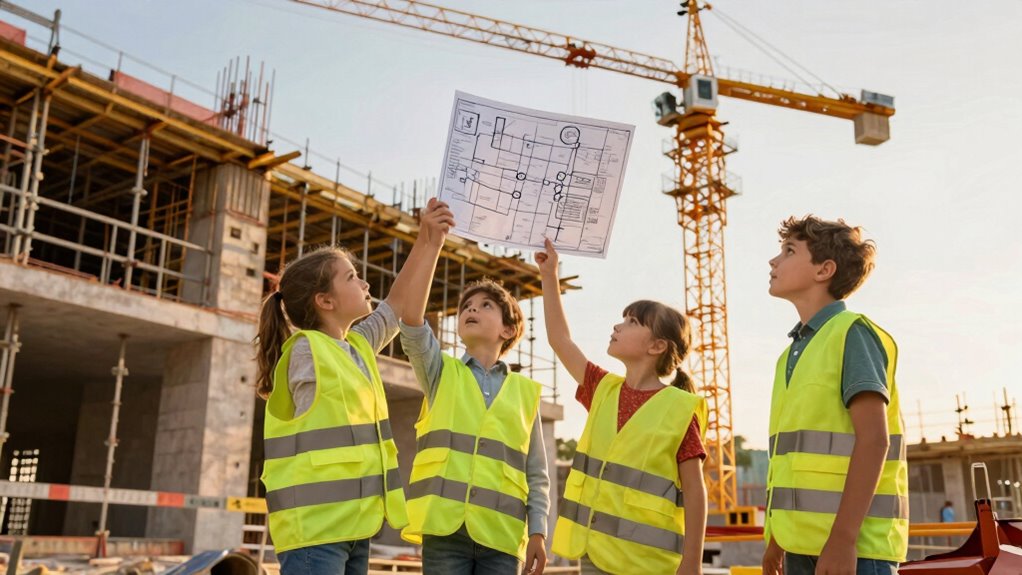
How can we guarantee that play support systems are resilient in the face of challenges? The key lies in building with purpose—using sustainable materials and innovative design principles that stand the test of time and wear. When you choose sustainable materials, you’re making a conscious decision to create structures that endure longer, reduce environmental impact, and require less frequent replacements. This approach not only benefits the planet but also ensures that play support systems remain functional and safe over years, even with heavy use or exposure to the elements. By integrating innovative design, you enhance resilience through thoughtful engineering that anticipates potential stress points and incorporates flexibility. Innovative design means creating play structures that adapt to various conditions, whether it’s extreme weather, frequent use, or accidental impacts. It involves careful planning, considering how materials will age and how users will interact with the equipment, so that the systems are less likely to break or become unsafe over time.
Building resilient play systems through sustainable materials and innovative, adaptable design for lasting safety and durability.
Building resilience into play support systems is about more than just durability. It requires a proactive mindset, ensuring that every element—from the foundation to the finishing touches—can withstand unforeseen challenges. Using sustainable materials, such as recycled plastics, responsibly sourced timber, or corrosion-resistant metals, helps create a sturdy foundation that resists decay and degradation. These materials often require less maintenance, reducing costs and downtime, which is essential for the longevity of the play environment. Meanwhile, innovative design incorporates features like modular components that can be easily repaired or replaced, minimizing disruptions and extending the lifespan of the equipment. Additionally, understanding the importance of biodiversity in the environment can inspire designs that support local ecosystems while maintaining resilience. Incorporating eco-friendly practices in design and construction can further enhance the durability and sustainability of play systems. Moreover, promoting environmental awareness during the planning process ensures that sustainability remains a core focus throughout the lifecycle of the structures.
Furthermore, considering climate resilience in the design process helps ensure that play support systems can withstand changing weather patterns and natural disasters. You also need to think about accessibility and safety, designing systems that are resilient in inclusive environments. This means considering users of all ages and abilities, ensuring the support structures can accommodate different needs without compromising safety. Resilient design also involves planning for future upgrades or modifications, so that the system can evolve without needing complete replacement. By prioritizing sustainability and innovation from the outset, you create play support systems that are not only durable but also adaptable and environmentally responsible.
In essence, building resilient play support systems requires a strategic combination of sustainable materials and innovative design. This approach guarantees that the structures you develop will withstand challenges, remain safe, and continue to serve communities effectively for years to come. It’s about creating a resilient environment where children can play freely and safely, knowing the support systems beneath them are built to last.
sustainable playground support structures
As an affiliate, we earn on qualifying purchases.
As an affiliate, we earn on qualifying purchases.
Frequently Asked Questions
How Do Play Activities Influence Long-Term Resilience Development?
Play activities boost your long-term resilience by strengthening emotional strength and fostering social bonding. When you engage in play, you learn to manage emotions, cope with setbacks, and develop confidence. Social interactions during play help you build trust and teamwork skills, which are essential during tough times. These experiences create a solid foundation, enabling you to adapt better, stay positive, and bounce back quickly from challenges throughout life.
What Specific Engineering Practices Enhance Resilience Through Play?
Think of engineering practices as the backbone of resilient play environments. You bolster resilience through thoughtful play design that encourages problem-solving and adaptability. Conducting thorough risk assessments guarantees safety while allowing for manageable challenges, much like a sturdy bridge supports varied traffic. Incorporating flexible materials and modular structures helps kids navigate uncertainties confidently. These practices foster resilience by creating play spaces where children learn to adapt, persist, and develop strength through safe, engaging risks.
Are There Age-Specific Play Strategies for Building Resilience?
Yes, there are age-appropriate play strategies for building resilience. For young children, focus on simple, imaginative games that encourage problem-solving and emotional expression. For older kids, incorporate skill-building activities like team challenges or strategic games that promote adaptability and perseverance. Tailoring activities to their developmental stage helps strengthen resilience, fosters confidence, and encourages them to navigate setbacks effectively, making play a essential tool for growth at every age.
How Can Play Be Integrated Into Existing Resilience Training Programs?
You can seamlessly integrate play into resilience training programs by incorporating play therapy techniques and resilience workshops. Imagine transforming a typical session into an engaging, playful experience that sparks creativity and emotional strength. Use interactive activities, role-playing, and storytelling to help participants practice coping skills in a safe environment. This approach makes resilience-building more relatable and effective, fostering lasting growth through the power of play.
What Role Do Community Projects Play in Engineering-Based Resilience?
Community projects play a essential role in engineering-based resilience by fostering community engagement and addressing innovation challenges. You actively involve local residents, which helps identify real needs and develop practical solutions. These projects encourage collaboration, build trust, and stimulate creative thinking, making communities more adaptable to disruptions. By working together, you create stronger, more resilient infrastructures that can better withstand future challenges.
Conclusion
As you continue to shape the world around you, remember that your efforts in building and engineering gently nurture resilience. Like a steady hand guiding a fragile bloom through changing seasons, your work helps communities weather life’s subtle storms. Embrace this quiet power, knowing that your contributions create a foundation of hope and stability. In doing so, you craft a future where strength blooms quietly, yet profoundly, beneath the surface.
Halloween Picks
halloween
As an affiliate, we earn on qualifying purchases.