
TL;DR

Turn the school run and nap time into listening time
- Thousands of audiobooks, podcasts and originals
- Listen on your phone, tablet or Echo — also offline
- Cancel anytime
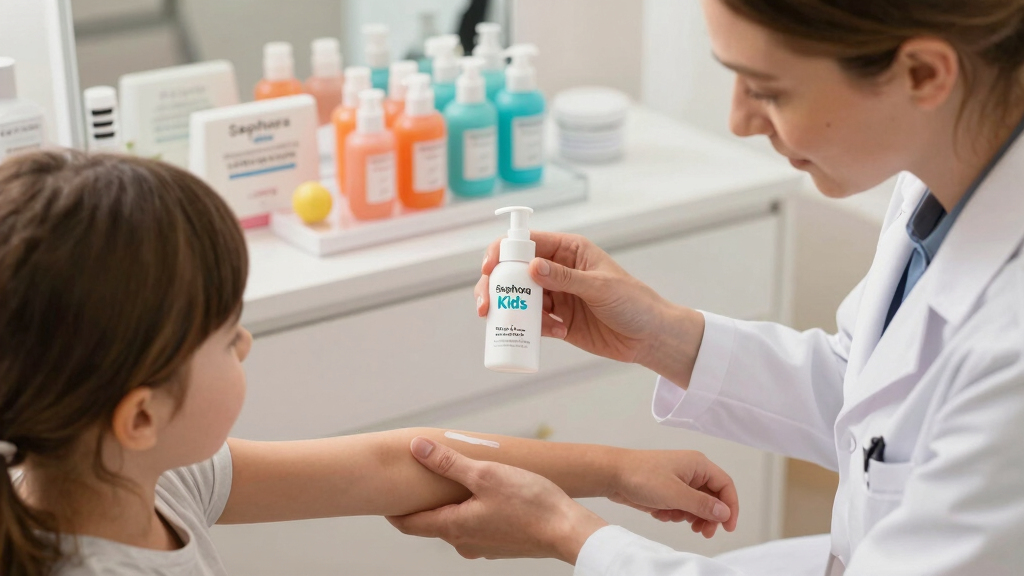
A dermatologist has issued a warning to parents regarding the ‘Sephora Kids’ trend, highlighting potential skin health risks. The advice aims to inform parents about safe product use for children amid growing popularity.
A dermatologist has issued a warning to parents about the ‘Sephora Kids’ trend, cautioning against potential skin irritation and health risks associated with these products. The advice comes as the trend gains popularity among young children and their parents, raising concerns about product safety and appropriate use.
The dermatologist, Dr. Lisa Nguyen, emphasized that many children’s skincare and cosmetic products marketed under the ‘Sephora Kids’ label may contain ingredients that are not suitable for sensitive skin. For more context, see why parents feel confused by screen time advice for kids. She advised parents to carefully review ingredient lists and consult pediatric dermatologists before allowing children to use these products.
While ‘Sephora Kids’ products are marketed as safe and suitable for children, experts warn that some items could cause skin irritation or allergic reactions, especially in children with sensitive skin or pre-existing conditions. Parents should also consider reading about screen time advice for kids to ensure balanced routines. The trend has seen rapid growth on social media, with many parents sharing their children’s experiences with these products.
Sephora has responded to the trend by stating that their children’s product line adheres to safety standards and is formulated specifically for young skin, but health professionals recommend cautious use and supervision. For more insights on managing children’s product use, see why parents feel confused by screen time advice for kids.
Why Parental Caution on ‘Sephora Kids’ Matters
This warning is significant because it highlights the importance of scrutinizing skincare products marketed for children, especially as trends can sometimes prioritize aesthetics over safety. Parents’ awareness can prevent potential skin issues or allergic reactions in children, promoting safer consumer choices.
Given the popularity of social media trends, misinformation or lack of awareness about product ingredients can lead to unintended health risks. Experts urge parents to prioritize dermatological advice and read labels carefully to ensure product safety for their children.
children's skincare products safe for sensitive skin
As an affiliate, we earn on qualifying purchases.
As an affiliate, we earn on qualifying purchases.
Background on Children’s Skincare Trends and Safety Concerns
The ‘Sephora Kids’ trend has gained traction over recent months, with many parents sharing their children’s use of colorful, playful skincare and cosmetic products marketed specifically for children. While the beauty industry has long marketed products for adults, the expansion into children’s skincare raises questions about safety standards and ingredient transparency.
Historically, pediatric dermatologists have cautioned against certain ingredients common in adult cosmetics, which may be present in some children’s products. Regulatory agencies like the FDA and CPSC have guidelines, but enforcement varies, and product formulations can differ widely between brands.
Previous incidents involving skin reactions or allergic responses to children’s skincare products have prompted health authorities to recommend careful ingredient review and consultation with healthcare professionals.
“Parents should always scrutinize ingredient lists and consult with dermatologists before giving children skincare products, especially those marketed as trendy or colorful.”
— Dr. Lisa Nguyen, Pediatric Dermatologist
Unverified Claims About Product Safety and Long-Term Effects
It is not yet clear whether the ingredients in all ‘Sephora Kids’ products are free from harmful substances or if long-term use could pose health risks. While the company states their products meet safety standards, independent testing and long-term studies are lacking.
Additionally, the extent of skin reactions or allergic responses among children using these products remains under investigation, with no comprehensive data available yet.
Next Steps for Parents and Regulatory Oversight
Health authorities and dermatologists plan to monitor reports of skin reactions linked to ‘Sephora Kids’ products and may issue further guidance. Parents are advised to consult healthcare professionals before allowing children to use these products and to watch for any signs of irritation.
Sephora and other retailers might face increased scrutiny or regulatory review if safety concerns escalate. Ongoing research and consumer feedback will shape future safety standards for children’s skincare products.
Key Questions
Are ‘Sephora Kids’ products safe for all children?
While Sephora states their products meet safety standards, individual reactions can vary. Parents should review ingredients and consult healthcare providers if unsure.
What ingredients should parents watch out for in children’s skincare products?
Parents should be cautious of fragrances, parabens, phthalates, and certain preservatives that may cause irritation or allergic reactions, especially in sensitive skin.
Can using trendy skincare products harm children’s skin?
Yes, if products contain harsh or unsuitable ingredients, they can cause irritation or allergic responses. Professional guidance is recommended.
What should parents do if their child develops a skin reaction?
Immediately discontinue use of the product and consult a pediatric dermatologist or healthcare provider for evaluation and treatment.
Will there be regulations or safety standards for children’s skincare products?
Regulatory agencies are reviewing current standards, and increased oversight may be implemented if safety concerns persist.
Source: rss
Fall Picks
fall essentials
As an affiliate, we earn on qualifying purchases.