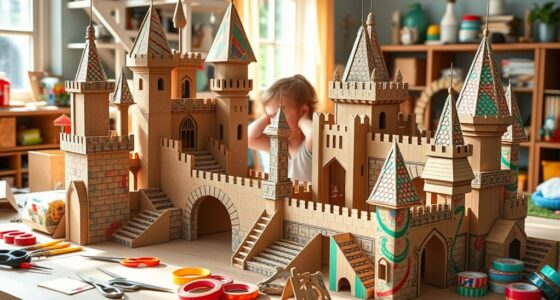
To make creative play easier for kids who like rules, provide clear guidelines and simple frameworks, like prompts or specific goals, that give structure and guidance. Use predictable routines and patterned activities to build comfort, gradually introducing flexible elements. Incorporate traditional skills or themed activities with clear objectives to foster confidence. Blending rules with creative tasks helps them feel secure while exploring new ideas—keep exploring to learn even more effective strategies.
Play games included with Prime
Start a Prime free trial and play with Amazon Luna on your devices.
As an affiliate, we earn on qualifying purchases.
Key Takeaways
- Provide clear frameworks or prompts to guide storytelling and imaginative activities.
- Use structured crafts with specific goals to foster creativity within boundaries.
- Incorporate predictable routines and patterns to build comfort and confidence.
- Turn creative activities into games with rules, timers, or themes to make them familiar.
- Gradually introduce flexible, open-ended options through structured play and cultural activities.
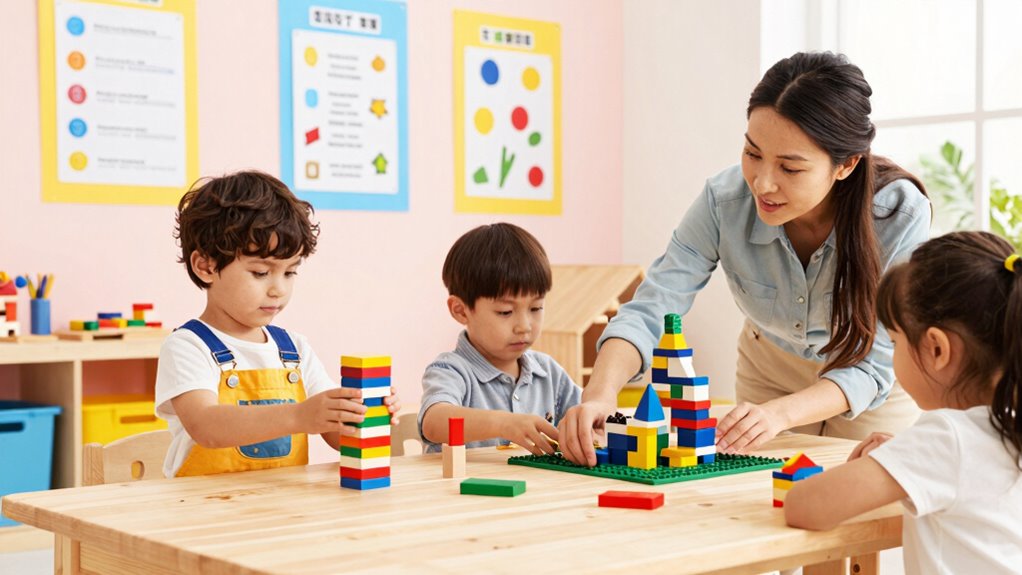
For kids who thrive on rules, diving into open-ended creative play can sometimes feel overwhelming or frustrating. They often prefer clear instructions and structured activities, making it challenging to embrace spontaneous imagination. To help these children engage comfortably, start by blending their love of rules with creative elements. For example, you can encourage imaginative storytelling by providing a simple framework or prompt. Instead of asking them to create a story from nothing, offer a setting, a character, or a problem and let them fill in the details. This way, they feel guided but still have room to use their imagination. It’s important to acknowledge their need for structure while gently nudging them toward more open-ended thinking.
Open-ended crafts can also serve as a bridge between rules and creativity. Prepare craft materials with a clear purpose but encourage your child to decide how to use them. For instance, give them a box of supplies like paper, glue, and stickers and suggest they create something that tells a story or solves a problem. You might frame it as “Build a house for your favorite animal,” which combines a clear goal with room for creative interpretation. This approach helps your child feel secure because there’s an end goal, but they can still explore their ideas within that framework. Recognizing the importance of clear instructions can make the transition to open-ended activities smoother for rule-loving children. Incorporating structured play or predictable patterns can help children feel more comfortable as they gradually explore more open-ended options. Additionally, emphasizing the value of predictable routines can further ease their transition into more flexible forms of play, creating a balance between familiarity and creativity. Understanding the role of indigenous knowledge and traditional skills can also inspire structured yet creative activities that connect children to cultural practices while fostering their imagination.
You can also incorporate game-like rules into creative activities. Turn storytelling into a game where each person adds a sentence, but set a timer or limit the number of additions. This keeps the activity structured and predictable while encouraging collaborative imagination. Similarly, for crafts, you could establish a pattern or theme—such as “Create something using only three materials”—which provides a rule but leaves plenty of room for creative expression. These strategies make open-ended play feel less intimidating because they blend familiarity with novelty, giving your child a safe space to experiment and grow.
structured storytelling game for kids
As an affiliate, we earn on qualifying purchases.
As an affiliate, we earn on qualifying purchases.
Frequently Asked Questions
How Can I Encourage Flexibility in Overly Rule-Bound Children?
To encourage flexibility in rule-bound children, introduce flexible boundaries that allow for some variation within the rules. Use imaginative prompts to inspire creative thinking and show that rules can adapt to different scenarios. You can also praise their efforts when they try new approaches, reinforcing the idea that creativity and flexibility are valuable. This approach helps them feel safe exploring beyond strict rules while still enjoying structure.
What Are Signs a Child Is Struggling With Creative Play?
You’ll notice a child struggling with creative play if they hesitate to try new ideas or stick rigidly to rules, avoiding imaginative scenarios. They might show limited creative thinking, sticking only to familiar options, or seem emotionally distant during play. If they avoid expressing feelings or become frustrated when play doesn’t follow a set pattern, it indicates difficulty with emotional expression and spontaneous creativity. Supporting them can help release their imagination.
How Do I Balance Rules and Imagination During Playtime?
You can balance rules and imagination during playtime by setting clear boundaries through gentle rule enforcement, ensuring kids understand limits without stifling creativity. Encourage their imagination by offering flexible guidelines rather than rigid rules, helping them overcome imagination barriers. Get involved by asking open-ended questions and suggesting playful twists that integrate rules naturally, fostering a fun environment where rules support, rather than hinder, their inventive ideas.
Are There Specific Activities Suited for Kids Who Prefer Strict Rules?
Sure, let’s embrace the thrill of rule-based games and structured activities—because nothing screams fun like following a meticulously crafted playbook. Kids who prefer strict rules thrive on activities like board games, puzzles, or organized sports, where boundaries are clear and expectations spelled out. These activities channel their love of order and structure, making playtime both enjoyable and satisfying. Who knew rules could be so creatively fulfilling?
How Can I Help a Child Express Their Creativity Within Rules?
You can help a child express their creativity within rules by encouraging imaginative storytelling during rule-based games. Suggest they invent new characters or plot twists within the game’s structure, making the experience more personal and creative. You might also set themes or challenges that require creative thinking, ensuring they feel free to explore their imagination while respecting the rules. This balance fosters both their creativity and their love for structure.
Conclusion
Remember, fostering creativity in rule-loving kids is like planting seeds in a well-tended garden. With patience and gentle guidance, you’ll nurture their imagination to bloom within safe, joyful boundaries. Embrace their love for rules as a sturdy frame that supports their creative wings. When you blend structure with freedom, you craft a playground where their ideas soar like birds in a clear blue sky. Soon, you’ll see their playful spirits dance effortlessly, painting the world with their unique colors.
NFL season / tailgating Picks
team gear
As an affiliate, we earn on qualifying purchases.