
TL;DR

Turn the school run and nap time into listening time
- Thousands of audiobooks, podcasts and originals
- Listen on your phone, tablet or Echo — also offline
- Cancel anytime
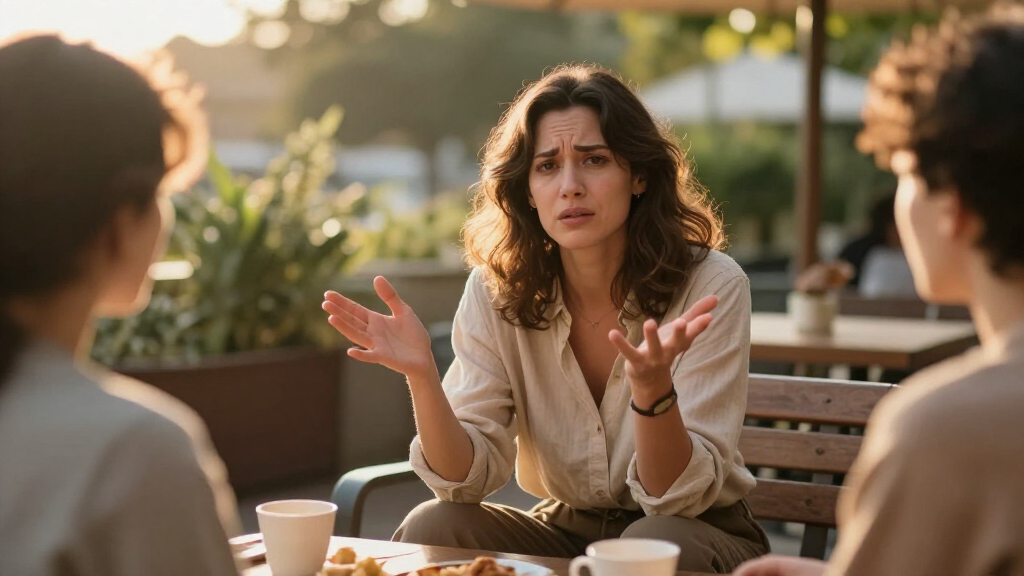
A volunteer has publicly voiced frustration over encountering arrogant and rude behavior from others. Miss Manners responds with guidance on maintaining civility and proper etiquette in volunteer settings.
A volunteer has publicly expressed her exhaustion with encountering arrogant and rude behavior from people during her volunteer work, prompting a response from the advice columnist Miss Manners on appropriate etiquette and civility.
The volunteer, whose identity has not been disclosed, shared her experiences of feeling overwhelmed and disrespected by individuals displaying entitled and disrespectful conduct while volunteering. She stated that such encounters have led her to question her continued involvement in volunteer activities.
Miss Manners responded by emphasizing the importance of maintaining courtesy and patience in public interactions, even when faced with challenging behavior. She advised volunteers and the general public to uphold civility, suggesting that responding with grace can help de-escalate conflicts and promote respectful exchanges.
The columnist also highlighted that rude behavior often stems from underlying frustrations or misunderstandings, and that setting boundaries and practicing self-care are essential for volunteers dealing with difficult interactions. The advice underscores the value of resilience and civility in community service roles.
Impact of Rudeness on Volunteer Engagement
This incident underscores how disrespectful behavior can discourage volunteer participation and strain community relationships. It highlights the need for public education on etiquette and civility to foster more respectful interactions in volunteer settings and beyond. The advice from Miss Manners aims to reinforce the importance of maintaining courtesy as a societal norm, which can improve community cohesion and individual well-being.
civility and etiquette training books
As an affiliate, we earn on qualifying purchases.
As an affiliate, we earn on qualifying purchases.
Rudeness in Public Interactions and Volunteer Roles
In recent years, there has been increased concern about declining civility in public spaces, with reports of rude and entitled behavior becoming more common. Volunteers, who often serve as community pillars, frequently encounter disrespect from individuals under stress or influence of social tensions. This specific incident reflects broader societal challenges related to manners and social cohesion, emphasizing the ongoing relevance of etiquette advice.
Historically, advice columns like Miss Manners have addressed issues of civility, advising patience and respect as foundational to social harmony. The current discussion is part of a larger conversation about how societal norms are evolving and how individuals can uphold respectful conduct amid rising tensions.
“Even when faced with arrogance or rudeness, responding with civility can set a powerful example and help de-escalate conflicts.”
— Miss Manners
Unclear Extent of Rudeness and Response Effectiveness
It is not yet clear how widespread the volunteer’s experience is or whether her reaction reflects a broader trend. Additionally, the effectiveness of Miss Manners’ advice in changing behavior remains unverified, and there is no data on whether such guidance reduces incidents of rudeness in volunteer settings.
Next Steps for Promoting Civility in Volunteer Environments
Community organizations and volunteer groups may consider implementing workshops or campaigns focused on civility and respectful communication. Further discussions on societal manners and behavioral norms are also expected to continue, possibly influencing public policy or educational initiatives aimed at fostering more respectful interactions.
Key Questions
What specific advice did Miss Manners give to volunteers facing rude behavior?
Miss Manners advised maintaining courtesy, patience, and grace in interactions, even when others are disrespectful, to help de-escalate conflicts and promote respectful exchanges.
Is rude behavior in volunteer settings increasing?
There is no definitive data confirming an increase, but reports and anecdotal experiences suggest that incidents of disrespect and entitlement are becoming more visible, reflecting broader societal tensions.
How can volunteers protect their well-being when dealing with rudeness?
Practicing self-care, setting clear boundaries, seeking support from colleagues, and applying etiquette advice can help volunteers manage emotional stress and continue their service.
Will this incident lead to new policies on civility?
It is too early to determine, but ongoing discussions about manners and respectful conduct may influence future policies or educational programs aimed at improving social interactions.
What is the broader societal significance of this discussion?
This conversation highlights the importance of civility as a social norm, essential for community cohesion, and underscores the need for ongoing efforts to promote respectful behavior in public and volunteer contexts.
Source: rss
Halloween Picks
halloween
As an affiliate, we earn on qualifying purchases.