
TL;DR
Prime for Young Adults — start your free trial
Fast free delivery, streaming and member deals for eligible 18–24 year olds.
Try it freeAs an affiliate, we earn on qualifying purchases.
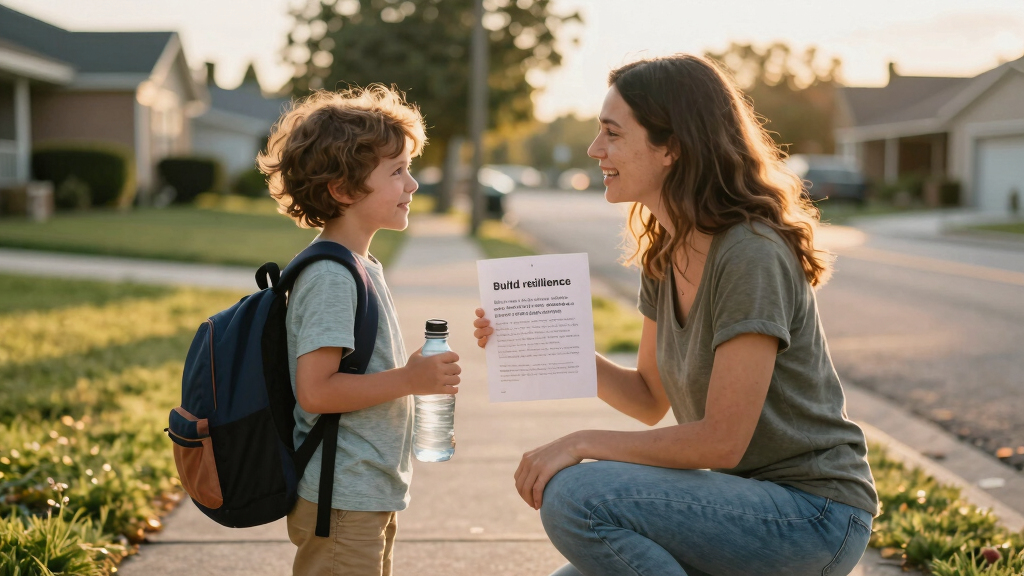
Child psychologists and educators recommend resilience-building techniques to help children cope with back-to-school anxiety. These strategies aim to support mental health and improve adjustment to the new school year.
Child development specialists and educators are emphasizing the importance of building resilience in children to help them cope with back-to-school anxiety, which is expected to increase as the new academic year begins.
According to recent guidance from psychologists and parenting experts, fostering resilience in children can significantly reduce their anxiety about returning to school. Practical strategies include establishing consistent routines, encouraging open communication, and teaching coping skills such as mindfulness and problem-solving. Experts note that these approaches can help children develop emotional strength and confidence, making the transition smoother. Schools and parents are urged to collaborate by providing supportive environments and acknowledging children’s feelings during this period of adjustment. While the advice is supported by research on child mental health, specific effectiveness varies depending on individual circumstances and implementation methods.Why Building Resilience Is Key for Back-to-School Success
This advice is crucial because back-to-school anxiety can impact children’s mental health, academic performance, and overall well-being. By equipping children with resilience skills, parents and educators can help mitigate stress and foster positive school experiences. These strategies may also contribute to long-term emotional development, reducing the risk of anxiety disorders and improving children’s ability to handle future challenges. As mental health concerns among youth rise, implementing resilience-building practices becomes an important component of supporting healthy development during a critical transition period.children's resilience building books
As an affiliate, we earn on qualifying purchases.
As an affiliate, we earn on qualifying purchases.
Increasing Awareness of Childhood Anxiety During School Transitions
Over recent years, there has been growing recognition of childhood anxiety related to school transitions, exacerbated by pandemic-related disruptions and social changes. Experts have observed a rise in reports of children experiencing heightened stress and fears about returning to school environments. Previous research indicates that early intervention and supportive practices can help children adapt more effectively. Schools and parents have been seeking evidence-based methods to address these concerns, emphasizing the importance of resilience as a protective factor. This guidance aligns with broader efforts to prioritize mental health in educational settings and family life.“Building resilience in children is about equipping them with the emotional tools to face uncertainty and stress, which can make a significant difference in how they handle the back-to-school transition.”
— Dr. Lisa Thompson, Child Psychologist
Unanswered Questions About Resilience Strategies Effectiveness
While experts agree on the importance of resilience, the specific effectiveness of different techniques varies among children. More research is needed to determine which methods are most beneficial for diverse age groups and individual needs. Additionally, long-term impacts of resilience-building practices on anxiety reduction remain under study. It is also unclear how schools and families can best tailor these approaches to different cultural and socioeconomic contexts.Next Steps for Schools and Parents in Supporting Children
Educational institutions and parents are expected to implement recommended resilience strategies as part of orientation and support programs. Ongoing research will evaluate the effectiveness of various approaches, and mental health professionals will continue to develop tailored interventions. Schools may also increase mental health resources and training for staff to better assist children experiencing anxiety. Monitoring children’s adjustment during the first weeks of school will be crucial to refine support practices and ensure positive outcomes.Key Questions
What are some simple ways parents can help build resilience in their children before school starts?
Parents can establish predictable routines, encourage open discussions about feelings, and teach coping skills like mindfulness and problem-solving to help children feel more secure and capable of handling stress.
Are resilience-building techniques effective for all children?
While many children benefit from these strategies, their effectiveness can vary based on individual personality, age, and circumstances. Personalization and consistency are key to success.
How can schools support children experiencing back-to-school anxiety?
Schools can create welcoming environments, provide mental health resources, implement resilience programs, and foster open communication between students, teachers, and parents to ease anxiety.
Is there evidence that resilience training reduces long-term anxiety?
Current research suggests resilience training can help reduce immediate anxiety and improve emotional coping, but more studies are needed to confirm long-term benefits.
When should parents seek professional help for a child struggling with back-to-school anxiety?
Parents should consider consulting a mental health professional if anxiety significantly interferes with daily activities, sleep, or academic performance, or persists beyond initial adjustment periods.
Source: rss
Fall Picks
fall essentials
As an affiliate, we earn on qualifying purchases.