
TL;DR

Turn the school run and nap time into listening time
- Thousands of audiobooks, podcasts and originals
- Listen on your phone, tablet or Echo — also offline
- Cancel anytime
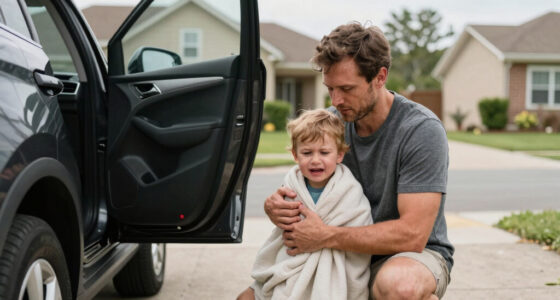
A young boy in Florida died after being left in a hot car, marking the third child death in the state this year due to heat-related incidents. Authorities emphasize the dangers of hot cars, but details about the circumstances are still emerging.
A young boy in Florida has died after being left in a hot car, marking the third child death in the state this year due to heat-related incidents, according to local authorities. The incident underscores the persistent danger posed by hot vehicles, especially during rising temperatures.
Florida law enforcement confirmed that the boy, whose age has not been publicly disclosed, was found unresponsive inside a vehicle in Palm Beach County early this morning. Emergency responders attempted to revive him but were unsuccessful. The incident is currently under investigation, with authorities stating the boy was likely left in the car for an extended period.
This tragedy follows two similar incidents earlier this year in Florida, where children died after being forgotten in hot cars. Experts and safety officials warn that such deaths are preventable but continue to occur due to lapses in awareness or routine disruptions. Authorities have not yet released the child’s name or specific details about the circumstances leading to the incident.
Ongoing Risks of Hot Car Deaths in Florida
The death of this boy emphasizes the ongoing danger of heat-related fatalities in vehicles, particularly in Florida’s hot climate. With three children dying this year alone, safety advocates stress the importance of awareness, vigilance, and preventive measures to avoid future tragedies. These incidents serve as a stark reminder that even brief lapses can have fatal consequences for children left in vehicles.
As an affiliate, we earn on qualifying purchases.
Florida has seen three confirmed child deaths due to heat exposure in vehicles this year, with incidents occurring in different counties. Experts attribute these tragedies to factors such as routine disruptions, caregiver distraction, or misunderstandings about whether a child has been taken out of the car. The state has previously launched awareness campaigns, but these incidents continue to occur during peak summer months.
Previous cases have prompted calls for increased safety measures, including technological solutions like alarms and vehicle alerts. However, the recurrence of these deaths indicates that more comprehensive strategies are needed to prevent future tragedies.
“Every child’s life is precious, and these tragedies are preventable. We urge caregivers to stay vigilant and never leave children unattended in vehicles.”
— Florida Department of Children and Families spokesperson
Details of the Incident and Circumstances Still Unclear
It is not yet clear how long the boy was in the vehicle or the specific circumstances that led to him being left there. Authorities have not released the child’s identity or details about the caregiver involved. The investigation is ongoing, and further information is expected to clarify these aspects.
Investigation and Community Awareness Efforts Will Continue
Authorities are expected to complete their investigation in the coming days, including determining how the child was left in the vehicle. Community safety campaigns and public awareness initiatives are likely to be intensified to prevent similar incidents. Experts recommend caregivers remain vigilant, especially during hot weather, to protect children from heat-related dangers.
Key Questions
What are common causes of children being left in hot cars?
Common causes include caregiver distraction, routine changes, or misjudging whether a child has been taken out of the vehicle. Stress and fatigue can also contribute to lapses in awareness.
Are there safety devices to prevent children from being left in cars?
Yes, some vehicles have alarms or alerts that notify drivers if a child is still in the back seat. Additionally, technological solutions like door sensors and smartphone alerts are available to help prevent such tragedies.
What can caregivers do to avoid leaving children in hot cars?
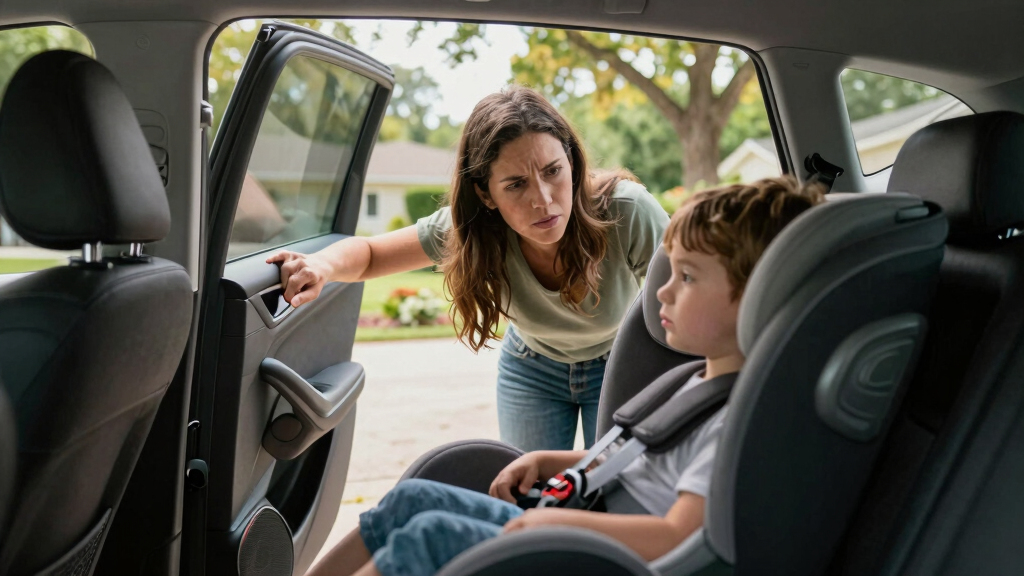
Caregivers should develop routines, such as placing a personal item or phone in the back seat, to remind them of the child’s presence. Always double-check the vehicle before leaving, and be aware of the risks during hot weather.
What legal consequences exist for leaving a child in a hot car?
Legal penalties vary by jurisdiction, but leaving a child unattended in a vehicle can result in charges such as child endangerment or neglect, especially if it leads to injury or death.
Source: google-trends
Cold & flu season Picks
humidifiers
As an affiliate, we earn on qualifying purchases.