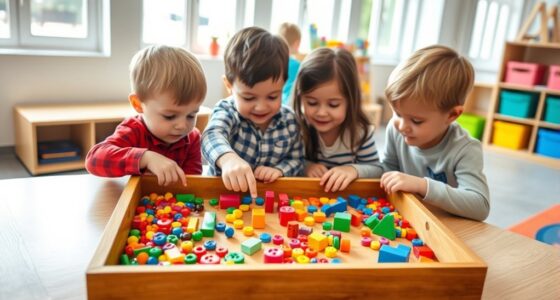
To blend Montessori and sensory tools in one space, incorporate natural materials like wooden blocks, rocks, and shells alongside sensory bins filled with sand, water, or textured objects. Use low shelves and open containers to promote independence and easy access. Connect indoor and outdoor areas with plants and natural lighting to foster curiosity and a love of nature. Engage children with hands-on, sensory-rich activities that encourage exploration. Keep exploring to discover how to create a seamless, engaging environment that supports holistic development.

Get baby and family essentials delivered free — and shop member deals
- Fast, free delivery on millions of items
- Access to Prime Big Deal Days deals on October 6–7
- Prime Video, Amazon Music and more included
Key Takeaways
- Incorporate natural materials like wood, stones, and shells alongside sensory bins to promote tactile exploration and connect children with nature.
- Use low, accessible shelves and open containers to facilitate independent selection of both Montessori and sensory materials.
- Design spaces with natural lighting, plants, and outdoor access to create a seamless indoor-outdoor environment.
- Integrate natural textures and sensory activities that enhance hands-on learning and stimulate curiosity.
- Involve parents in bringing natural objects and outdoor activities to extend sensory and nature-based learning at home.
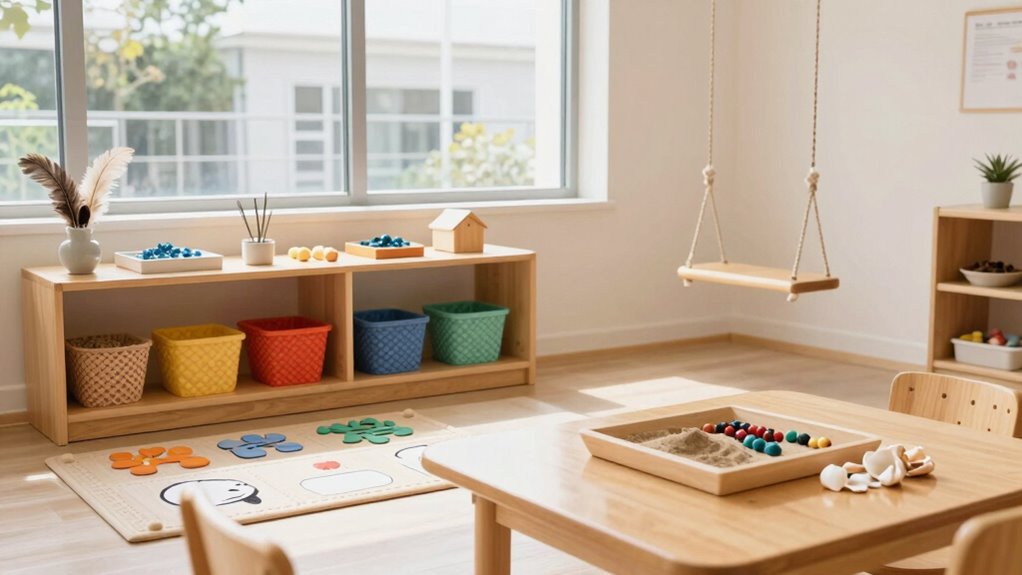
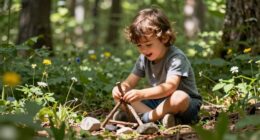
Blending Montessori principles with sensory tools creates a powerful approach to early childhood education that fosters independence and engages multiple senses. When you incorporate nature integration into this mix, you create an environment where children can explore the outdoors while developing essential skills. You might include natural materials like rocks, leaves, or wooden blocks alongside sensory bins filled with sand, water, or textured objects. This connection to nature not only stimulates curiosity but also helps children understand the world around them in a meaningful way. By allowing children to manipulate natural elements, you encourage hands-on learning that complements Montessori’s emphasis on real-world experiences. Incorporating nature-based learning into your environment supports holistic development and nurtures a child’s innate curiosity about the natural world. Parent involvement plays an important role in successfully blending these methods. When you actively involve parents, you create a cohesive learning space that extends beyond the classroom or play area. Encourage parents to bring in natural objects from home or participate in outdoor activities, making them partners in their child’s educational journey. You might suggest simple activities like collecting leaves during a walk or planting flowers in a garden corner. This involvement strengthens the child’s connection to nature and reinforces learning at home. It also helps parents understand the significance of sensory play and how it supports independence, fine motor skills, and cognitive development. Additionally, fostering a collaborative learning environment enhances the child’s overall growth and appreciation for nature. Incorporating sensory-rich environments that emphasize natural textures and materials can further deepen this connection and encourage exploration.
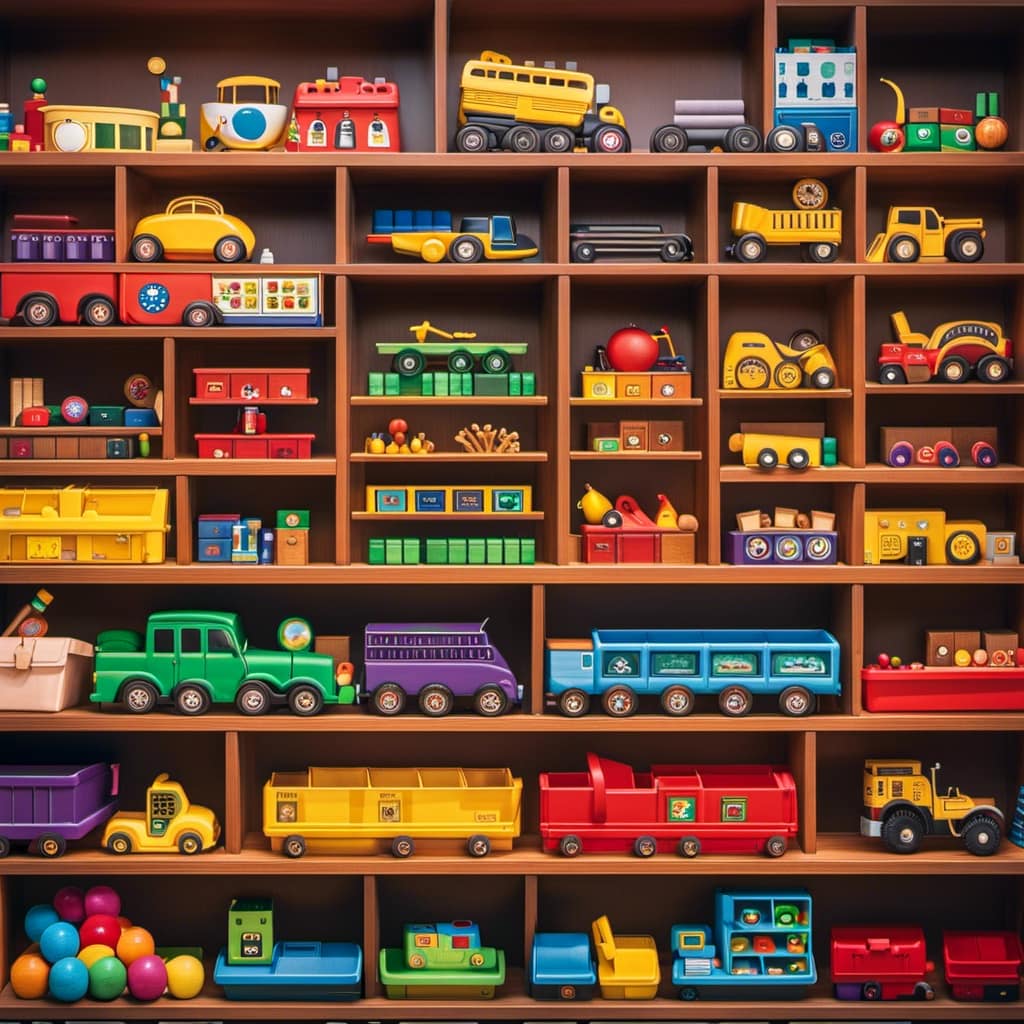
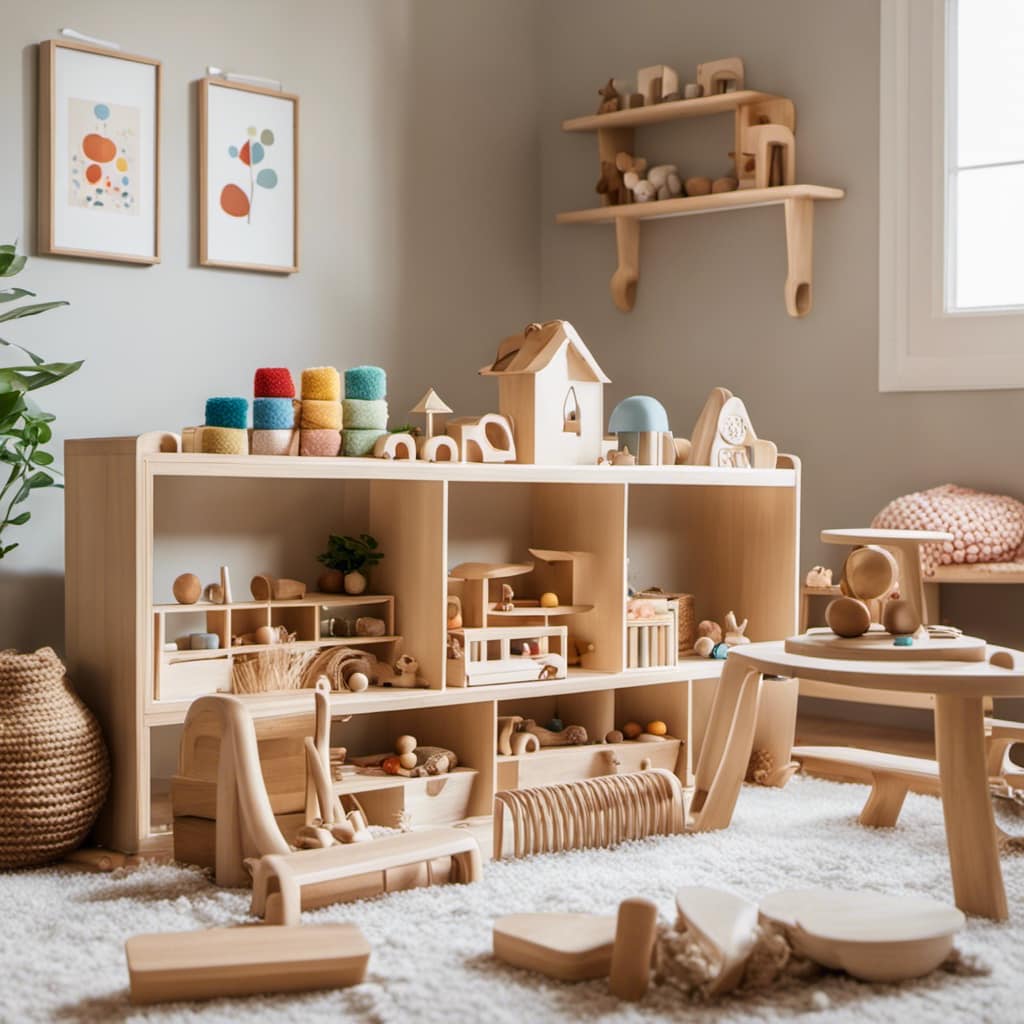
To effectively integrate sensory tools with Montessori principles, consider designing a space that is inviting and accessible. Use low shelves and open containers so children can freely select materials, fostering independence. Incorporate nature-inspired sensory elements — like pinecones, shells, or textured fabrics — alongside traditional Montessori materials. This way, children can choose activities that resonate with their senses and interests. Creating a hands-on learning environment that emphasizes natural and sensory elements encourages children to actively participate and discover through their senses. As they explore, guide them gently to observe their surroundings, encouraging mindfulness and curiosity. This nurturing environment nurtures their natural desire to learn through discovery, and the presence of natural elements makes the experience more authentic and engaging. When indoor and outdoor spaces are seamlessly connected through design, children develop a stronger sense of belonging and curiosity about their environment.
Finally, you want to create a seamless blend between indoor and outdoor spaces. Use natural lighting and incorporate plants into your environment. This not only enhances aesthetic appeal but also deepens children’s connection to nature. When parents see how you integrate natural and sensory elements into daily activities, they’re more likely to participate and reinforce these principles at home. By fostering a collaborative approach that values nature integration and parent involvement, you craft a learning environment that nurtures independence, sensory development, and a lifelong love of discovery.
Montessori sensory materials for children
As an affiliate, we earn on qualifying purchases.
As an affiliate, we earn on qualifying purchases.
Frequently Asked Questions
What Are the Key Differences Between Montessori and Sensory Tools?
You notice that Montessori tools focus on independence, self-directed learning, and concrete materials, helping children develop skills at their own pace. Sensory tools, on the other hand, target sensory integration, engaging multiple senses to enhance processing and regulation. While Montessori methodology emphasizes structured, hands-on activities promoting exploration, sensory tools are designed to support sensory development and calming, often used alongside Montessori practices to create a balanced learning environment.
How Can I Ensure Safety With Sensory Tools in a Montessori Space?
Think of sensory tools as delicate instruments in a symphony—you want them to perform safely. To guarantee sensor safety, regularly inspect tools for damage and clean them thoroughly. Proper tool maintenance is essential—replace worn-out items promptly. By monitoring and maintaining sensory tools diligently, you create a safe environment where children can explore confidently, much like a conductor ensuring every instrument is ready for a harmonious performance.
What Age Groups Are Best Suited for Combined Montessori and Sensory Activities?
You’ll find that combined Montessori and sensory activities work well for children aged 2 to 6, as they align with key developmental milestones. Younger kids benefit from simple, age-appropriate activities that foster sensory exploration, while older children can engage in more complex tasks that build independence. Tailoring activities to each age group guarantees they’re both engaging and developmentally suitable, supporting growth through meaningful, hands-on learning experiences.
How Do I Introduce Sensory Tools Without Disrupting Montessori Principles?
Imagine introducing sensory tools like tiny, shimmering islands in a calm, Montessori ocean. You can seamlessly incorporate sensory integration by selecting tools that promote exploration without overwhelming the environment. Use Montessori adaptations by placing sensory items in designated areas that encourage independence and order. Keep activities purposeful, simple, and aligned with Montessori principles—allowing children to discover through touch and movement, enriching their learning without disrupting the peaceful, focused atmosphere.
What Are Cost-Effective Ways to Incorporate Sensory Tools Into Montessori Areas?
You can incorporate sensory tools cost-effectively by exploring DIY projects, like homemade sensory bottles or textured mats, which are fun and educational. Budget shopping at thrift stores or dollar stores can also help you find affordable sensory items, such as soft fabrics or small tools. Always prioritize quality and safety, but remember, creativity and resourcefulness can make your Montessori space both engaging and budget-friendly.
Conclusion
By blending Montessori and sensory tools, you create a space that fosters independence, stimulates curiosity, and nurtures development. You encourage exploration, support learning, and inspire confidence—all in one harmonious environment. You make education engaging, adaptable, and fun. You turn a simple room into a nurturing haven where children can grow, learn, and thrive—because when you combine these tools thoughtfully, you empower their journey toward independence, creativity, and a lifelong love of learning.
Fall Picks
fall essentials
As an affiliate, we earn on qualifying purchases.