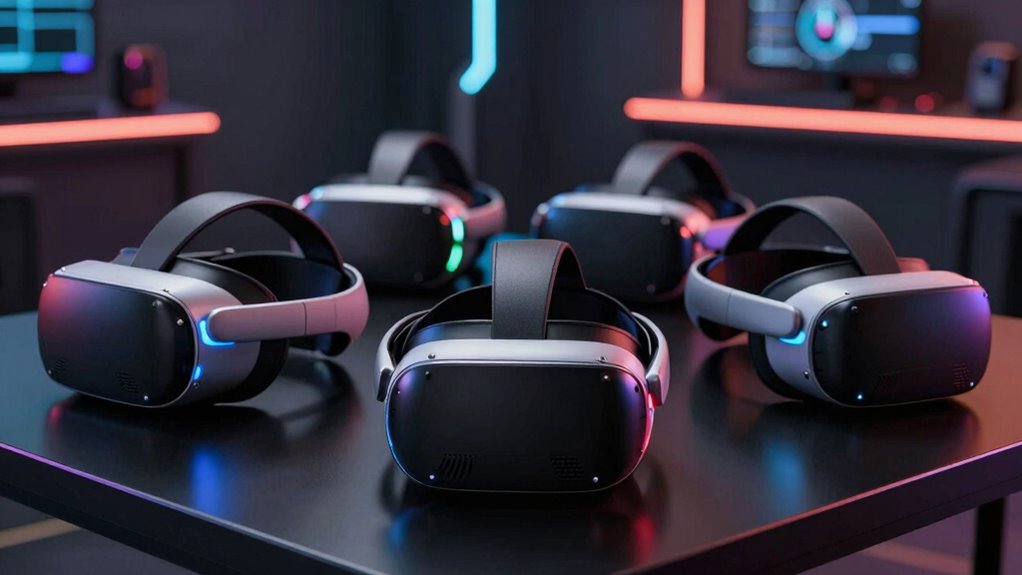

Choosing the right standalone VR headset in 2026 means balancing performance, portability, and content. The Meta Quest 2 remains the best all-rounder for most users thanks to its large library and ease of use. Meanwhile, the Pico 4E Enterprise targets professionals needing high-fidelity experiences for work. For those seeking more storage and versatility, the Meta Quest 2 256 GB offers expanded capacity, but at a slightly higher price. Each option presents distinct tradeoffs in features and usability, making it important to match a headset with your primary needs—whether gaming, enterprise, or casual use.

Turn the school run and nap time into listening time
- Thousands of audiobooks, podcasts and originals
- Listen on your phone, tablet or Echo — also offline
- Cancel anytime
Complete the kit
Key Takeaways
- Meta Quest 2 is the most versatile for casual gamers and social users thanks to its extensive content library.
- Pico 4E is best suited for professional environments with its enterprise-focused design and immersive capabilities.
- The 256 GB Meta Quest 2 provides the most storage, ideal for users with large app libraries or media needs.
- All options balance portability and performance but vary significantly in content ecosystem and privacy considerations.
- Tradeoffs include storage capacity, device ecosystem, and intended use—buyers should pick based on their primary VR goals.
| Pico 4E Enterprise VR Headset |  | Best for Professional and Enterprise Use | Display: High-resolution enterprise-grade screens | Tracking: Advanced inside-out tracking | Connectivity: Wired and wireless options | VIEW ON AMAZON | See Our Full Breakdown |
| Meta Quest 2 — Advanced All-In-One Virtual Reality Headset — 128 GB |  | Best Overall for Versatility and Ease of Use | Storage Capacity: 128 GB | Type: All-in-One VR Headset | Features: Wireless, built-in battery, 3D audio, hand tracking | VIEW ON AMAZON | See Our Full Breakdown |
| Oculus Quest All-in-one VR Gaming Headset – 64GB |  | Best for Entry-Level and Compact Use | Storage: 64GB | Tracking System: Insight | Controllers: Oculus Touch | VIEW ON AMAZON | See Our Full Breakdown |
| Meta Quest 2 — Advanced All-In-One Virtual Reality Headset — 256 GB |  | Best for Large Libraries and Extended Use | Storage: 256 GB | Wireless: Yes | Display: High-resolution | VIEW ON AMAZON | See Our Full Breakdown |
| vr headsets standalone | Display | Tracking | Connectivity | Compatibility |
|---|---|---|---|---|
| Pico 4E Enterprise VR Headset | High-resolution enterprise-grade screens | Advanced inside-out tracking | Wired and wireless options | Designed for professional applications |
| Meta Quest 2 | — | — | Wireless | — |
| Oculus Quest All-in-one VR Gam | — | — | — | Facebook account required |
| Meta Quest 2 | High-resolution | Hand tracking | — | — |
More Details on Our Top Picks
Pico 4E Enterprise VR Headset
The Pico 4E Enterprise VR Headset stands out for its high-fidelity display and tracking capabilities tailored for business applications. Compared with consumer-focused headsets, it offers a more immersive experience suited for training, virtual collaboration, and specialized tasks. However, it lacks the consumer-friendly features like a large app ecosystem or social integrations, making it less appealing for casual or gaming users. Its design prioritizes durability and precision, which are essential in professional settings. The main tradeoff is that it doesn’t cater to entertainment or social VR, limiting its versatility outside of enterprise use.
Pros:- Designed specifically for enterprise needs
- Immersive VR experience with advanced tracking
- Durable build for frequent use
Cons:- Limited consumer features and content
- Details about consumer usability and ecosystem are sparse
Best for: Professionals and enterprises needing immersive VR for training, collaboration, or specialized applications.
Not ideal for: Casual gamers and social VR enthusiasts seeking a broad app library or easy setup.
- Display:High-resolution enterprise-grade screens
- Tracking:Advanced inside-out tracking
- Connectivity:Wired and wireless options
- Target Audience:Business and enterprise users
- Compatibility:Designed for professional applications
- Battery:Not specified
Our verdict“Best suited for professional environments where immersive, precise VR is a priority over entertainment features.”
Meta Quest 2 — Advanced All-In-One Virtual Reality Headset — 128 GB
The Meta Quest 2 remains the go-to choice for most users thanks to its wireless setup, robust content library, and straightforward operation. Its 128 GB of storage strikes a balance between affordability and capacity, supporting a wide array of games, social apps, and fitness programs. Compared to other standalone headsets, its ecosystem is more mature, with frequent updates and a large user base. The main tradeoff is its limited storage for users who want to keep many large titles offline. Additionally, some privacy and account concerns arise due to Facebook integration, which can be a drawback for privacy-conscious buyers.
Pros:- Wireless and portable, no external sensors needed
- Large content library with popular titles
- Easy to set up and use
Cons:- Limited storage for large media collections
- Requires a Facebook account, raising privacy concerns
Best for: Casual gamers, social VR enthusiasts, and new users seeking an easy-to-use device with broad content access.
Not ideal for: Power users with extensive app libraries or privacy-sensitive users who prefer minimal data sharing.
- Storage Capacity:128 GB
- Type:All-in-One VR Headset
- Features:Wireless, built-in battery, 3D audio, hand tracking
- Setup:Plug-and-play
- Content Library:Extensive and growing
- Connectivity:Wireless
Our verdict“A well-rounded choice for most casual and social VR users, balancing performance with simplicity.”
Oculus Quest All-in-one VR Gaming Headset – 64GB
The Oculus Quest with 64GB storage offers a straightforward, all-in-one VR experience perfect for beginners or users with limited space. Its Insight tracking and Touch controllers deliver accurate movement, supporting both seated and standing gameplay. However, its smaller storage capacity limits how many titles can be stored locally, and it requires a Facebook account, which might be a turnoff for privacy-focused buyers. This headset is more affordable but sacrifices some features found in higher-capacity or newer models, making it ideal for casual use or those new to VR.
Pros:- All-in-one design with no external sensors
- Responsive and precise tracking
- Compact and lightweight for portability
Cons:- Limited to 64GB storage
- Requires Facebook account, raising privacy concerns
Best for: Beginners, casual users, and those seeking a compact, affordable VR solution.
Not ideal for: Power users or gamers with large libraries or advanced performance needs.
- Storage:64GB
- Tracking System:Insight
- Controllers:Oculus Touch
- Compatibility:Facebook account required
- Design:All-in-one
- Use Case:Casual gaming and basic VR
Our verdict“A practical starter VR headset for newcomers or casual players prioritizing simplicity and affordability.”
Meta Quest 2 — Advanced All-In-One Virtual Reality Headset — 256 GB
The Meta Quest 2 with 256GB expands on the base model by offering significantly more storage, making it ideal for users who want to access a broad library of titles without deleting content. Its high-resolution display, 3D audio, haptic feedback, and seamless setup continue to make it a leading choice for immersive entertainment. The larger capacity makes it better suited for users who plan to keep many games, apps, or media offline, but it also comes with a higher price tag. Some users might find the device’s battery life limited during extended sessions, and privacy concerns persist due to Facebook account requirements.
Pros:- Large 256GB storage capacity
- Wireless, easy to set up
- Rich multimedia experience with immersive audio and haptics
Cons:- Battery life may limit extended use
- Requires Facebook account, raising privacy issues
Best for: Power users and enthusiasts needing ample storage and a rich content ecosystem.
Not ideal for: Budget-conscious buyers or those wary of Facebook’s privacy policies.
- Storage:256 GB
- Wireless:Yes
- Display:High-resolution
- Audio:3D positional
- Tracking:Hand tracking
- Haptic Feedback:Yes
Our verdict“The best choice for users who prioritize extensive content and don’t mind paying a premium for storage.”

How We Picked
Our selection process focused on standalone VR headsets that prioritize ease of use, portability, and content availability in 2026. We evaluated each device’s hardware specifications, user experience, ecosystem, and suitability for different types of users—casual gamers, professionals, or enterprise environments. We also considered factors like storage options, setup complexity, and potential privacy concerns. Our goal was to identify options that offer real value and clear distinctions in their roles, helping buyers find the best fit for their needs.
| vr headsets standalone | Display | Tracking | Connectivity | Compatibility |
|---|---|---|---|---|
| Pico 4E Enterprise VR Headset | High-resolution enterprise-grade screens | Advanced inside-out tracking | Wired and wireless options | Designed for professional applications |
| Meta Quest 2 | — | — | Wireless | — |
| Oculus Quest All-in-one VR Gam | — | — | — | Facebook account required |
| Meta Quest 2 | High-resolution | Hand tracking | — | — |
Factors to Consider When Choosing Vr Headsets Standalone
When choosing a standalone VR headset in 2026, consider your primary use—gaming, work, or social activities—and how much storage or ecosystem support you need. The decision often hinges on balancing performance with convenience. Headsets like the Meta Quest 2 excel for casual use with their large content libraries and ease of access, while enterprise options like the Pico 4E offer specialized features for professional environments. Reflecting on features like storage capacity, privacy policies, and ecosystem compatibility will help you identify the best device for your VR ambitions.
Performance and Content Ecosystem
For most users, access to a broad library of apps and games is key. The Meta Quest 2 offers the most extensive selection and seamless social integration, making it perfect for casual gaming and social VR. Conversely, enterprise headsets like the Pico 4E prioritize precision and durability over content variety, suited for professional tasks. Think about whether immersive entertainment or work-related applications are your priority when evaluating these options.
Storage Capacity and Media Needs
Storage capacity is a significant factor, especially if you plan to keep many titles or media offline. The Meta Quest 2 256 GB provides ample space for extensive libraries, while the 128 GB version balances cost and capacity for moderate use. The Oculus Quest with 64GB is more suitable for light use or beginners. Consider your media consumption habits and whether cloud streaming can supplement limited local storage.
Ease of Use and Ecosystem Privacy
Ease of setup and user experience are vital if you’re new to VR. The Meta Quest 2 simplifies the process with its wireless design and straightforward interface, but privacy concerns due to Facebook account requirements may influence your decision. Enterprise options like Pico 4E focus less on social features and more on durability and security, making them better for professional environments. Always weigh convenience against privacy and ecosystem preferences.
Frequently Asked Questions
Do I need a PC or console to use these standalone VR headsets?
No, all these headsets are designed to operate independently without the need for a PC or console. They come with integrated processors, displays, and batteries, allowing for a truly wireless experience. This makes them highly portable and easy to set up, especially for casual users or those who want VR without additional equipment.
How much storage do I need for a comfortable VR experience?
Storage needs depend on your usage. If you plan to install many games, apps, or media, a larger capacity like the 256 GB Meta Quest 2 is advisable. For casual use or testing, 64 GB or 128 GB may suffice. Keep in mind that large titles or media files can fill up storage quickly, so consider your media habits when choosing a model.
Are there privacy concerns with these VR headsets?
Yes, especially with models like the Meta Quest 2, which require a Facebook account for setup and use. This can raise privacy issues for some users, as data sharing and account linking are involved. Enterprise-focused devices like the Pico 4E typically have more controlled environments with less emphasis on social connectivity, which may appeal to privacy-conscious buyers.
Can I use these headsets for both gaming and professional work?
While all these headsets are primarily designed for entertainment, the Pico 4E is explicitly aimed at professional and enterprise applications, offering features tailored for work environments. The Meta Quest models are more geared toward gaming, social, and media experiences, although they can be used for some productivity tasks with the right apps. The choice depends on whether your primary goal is entertainment or work-related use.
What is the main difference between the 128 GB and 256 GB Meta Quest 2?
The main difference lies in storage capacity. The 256 GB version provides significantly more space for apps, games, and media, making it better suited for extensive libraries or media-heavy users. The 128 GB model is more affordable but offers less room for content, which could be limiting if you prefer offline access to many titles. Your choice should depend on your media consumption habits and budget.
Conclusion
For casual users and social VR enthusiasts, the Meta Quest 2 remains the most practical choice, thanks to its extensive content and ease of use. Those with a professional or enterprise focus should lean toward the Pico 4E Enterprise VR Headset, which offers immersive fidelity and durability for work environments. If you need maximum storage and multimedia capabilities, the Meta Quest 2 256 GB is ideal, though privacy considerations should be weighed. Ultimately, your decision hinges on whether you prioritize entertainment, professional features, or privacy—each headset excels in different areas, making it possible to find a perfect match for your VR goals.
Fall Picks
fall essentials
As an affiliate, we earn on qualifying purchases.