


When it comes to premium smart home hubs, the key tradeoff revolves around compatibility, automation complexity, and cost. The Aeotec Smart Home Hub stands out as the best overall for its robust Z-Wave, Zigbee, and Matter support combined with seamless voice assistant compatibility. For those focused on advanced automation, the Home Assistant Green offers deep customization but requires a steeper learning curve. Meanwhile, the Philips Hue Bridge Pro excels for smart lighting enthusiasts, providing reliable performance but at a higher price. Continue reading for a detailed comparison to help you find the perfect hub for your needs.

Turn the school run and nap time into listening time
- Thousands of audiobooks, podcasts and originals
- Listen on your phone, tablet or Echo — also offline
- Cancel anytime
Complete the kit


Key Takeaways
- Compatibility across multiple protocols like Z-Wave, Zigbee, and Matter is essential for future-proofing your smart amazon.com/dp/B0CXVKSG19?tag=healthykidplay-20&ascsubtag=dc-928950″ target=”_blank” rel=”nofollow sponsored noopener”>home.
- Local control capabilities often mean faster response times and increased privacy, making them a key factor for many buyers.
- Automation complexity varies widely—some hubs prioritize simple device pairing, while others support advanced scripting.
- Brand ecosystems influence integration, with some hubs working better within specific platforms like Apple HomeKit or Alexa.
- Pricing ranges reflect levels of compatibility, automation depth, and build quality; higher cost doesn’t always mean better value.
| Aeotec Smart Home Hub, Z-Wave, Zigbee, Matter Gateway, Compatible with Alexa and Google Assistant |  | Best Overall Smart Home Hub for Protocol Versatility | Connectivity: Wi-Fi, Ethernet | Protocols: Z-Wave, Zigbee, Matter | Compatibility: Alexa, Google Assistant | VIEW ON AMAZON | See Our Full Breakdown |
| Philips Hue Smart Hub with White Ambiance Gradient Signe Table Lamp, Compatible with Alexa, Apple HomeKit, and Google Assistant |  | Best for Customizable Lighting Experiences | Color Changing: Yes | Dimmable: Yes | Light Source Type: LED | VIEW ON AMAZON | See Our Full Breakdown |
| Philips Hue Bridge Pro Smart Lighting Hub, 1-Pack |  | Best for Large-Scale, Secure Smart Lighting Installations | Processor: Quad-core Cortex-A35 CPU at 1.7 GHz | Memory: 4 GB DDR4 SDRAM | Supports: 150+ lights, 50+ accessories | VIEW ON AMAZON | See Our Full Breakdown |
| Home Assistant Green | Smart Home Hub with Advanced Automation |  | Best for Privacy-Conscious, Tech-Savvy Automators | RAM: 4 GB | Storage Capacity: 32 GB | Connectivity Technology: Ethernet, USB | VIEW ON AMAZON | See Our Full Breakdown |
| Homey Pro Mini | Smart Home Hub for Home Automation with Zigbee, Ethernet, Matter & Thread |  | Best for Broad Protocol Compatibility and Local Control | Protocols Supported: Zigbee, Matter, Thread, Ethernet | Compatibility: Apple Siri, Amazon Alexa, Google Home | Automation Features: Homey Flow, local data processing | VIEW ON AMAZON | See Our Full Breakdown |
| Hubitat Elevation C-8 Pro Smart Home Hub, Local Control and Automations |  | Best Overall for Advanced Customization and Privacy | Product Dimensions: 2.95 x 3.23 x 0.67 inches | Item Weight: 2.56 ounces | Processor: 2.0 GHz | VIEW ON AMAZON | See Our Full Breakdown |
| Amazon Echo Hub (newest model), 8″ Smart Home Control Panel with Alexa+ |  | Best for Ease of Use and Visual Control | Display Size: 8 inches | Compatibility: Alexa+, Ring subscription (sold separately) | Connectivity: WiFi, Bluetooth, Zigbee, Matter, Sidewalk, Thread | VIEW ON AMAZON | See Our Full Breakdown |
| Lutron Caseta Smart Hub Compatible with Alexa, Apple, Google Home & More | 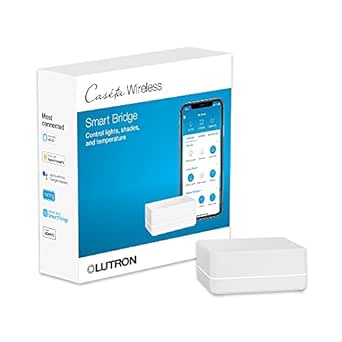 | Best for Simple, Reliable Lighting and Shades Control | Compatibility: Alexa, Apple HomeKit, Google Assistant, Ring, Serena shades, Sonos | Device Support: Up to 75 devices | Connectivity: Wi-Fi, Clear Connect Technology | VIEW ON AMAZON | See Our Full Breakdown |
| SmartThings Hub 3rd Generation |  | Best for Broader Compatibility and Automation Flexibility | Protocols: Zigbee, Z-Wave, Cloud to Cloud | Compatibility: Alexa, Google Home | Generation: 3rd | VIEW ON AMAZON | See Our Full Breakdown |
| premium smart home hub | Compatibility | Connectivity |
|---|---|---|
| Aeotec Smart Home Hub | Alexa, Google Assistant | Wi-Fi, Ethernet |
| Philips Hue Smart Hub with Whi | — | — |
| Philips Hue Bridge Pro Smart L | Matter, Apple Home, Alexa, Google, Samsung SmartThings | Zigbee, Wi-Fi |
| Home Assistant Green | Smart H | — | — |
| Homey Pro Mini | Smart Home Hu | Apple Siri, Amazon Alexa, Google Home | — |
| Hubitat Elevation C-8 Pro Smar | — | Wi-Fi, Ethernet |
| Amazon Echo Hub | Alexa+, Ring subscription (sold separately) | WiFi, Bluetooth, Zigbee, Matter, Sidewalk, Thread |
| Lutron Caseta Smart Hub Compat | Alexa, Apple HomeKit, Google Assistant, Ring, Serena shades, Sonos | Wi-Fi, Clear Connect Technology |
| SmartThings Hub 3rd Generation | Alexa, Google Home | — |
More Details on Our Top Picks
Aeotec Smart Home Hub, Z-Wave, Zigbee, Matter Gateway, Compatible with Alexa and Google Assistant
The Aeotec Smart Home Hub stands out for supporting multiple protocols like Z-Wave, Zigbee, and Matter, making it a versatile choice for integrating a broad range of smart devices. Compared to the Philips Hue Bridge Pro, it offers greater protocol flexibility but lacks the same level of specialized security features. Its support for local automations ensures faster response times, beneficial for users prioritizing performance. However, its primary design for North American regions and reliance on the SmartThings app might limit global compatibility and user-friendliness for some. This hub makes the most sense for homeowners with diverse device ecosystems seeking a reliable, multi-protocol solution.
Pros:- Supports Z-Wave, Zigbee, and Matter for wide device compatibility
- Flexible setup via Wi-Fi or Ethernet ensures reliable connectivity
- Local automations improve response speeds
Cons:- Primarily designed for North American markets, limiting global use
- Requires the SmartThings app for setup, adding complexity for some users
Best for: Tech-savvy homeowners with multiple protocol devices needing broad compatibility
Not ideal for: International users or those preferring an all-in-one ecosystem with minimal setup complexity
- Connectivity:Wi-Fi, Ethernet
- Protocols:Z-Wave, Zigbee, Matter
- Compatibility:Alexa, Google Assistant
- Supported Regions:North America
Our verdict“Ideal for advanced users who want a highly flexible, protocol-agnostic hub with quick local automations.”
Philips Hue Smart Hub with White Ambiance Gradient Signe Table Lamp, Compatible with Alexa, Apple HomeKit, and Google Assistant
The Philips Hue Smart Hub with Signe Lamp excels in creating personalized lighting atmospheres, supporting up to 16 million colors and seamless voice control. Compared with the Philips Hue Bridge Pro, this system is optimized for aesthetic lighting rather than extensive automation or security features. Its compatibility with Alexa, Apple HomeKit, and Google Assistant makes it versatile for various ecosystems, but it lacks support for traditional dimmers, which may limit some users’ existing setups. This pick makes the most sense for those seeking immersive lighting customization and ambiance control, especially in entertainment or relaxation areas.
Pros:- Supports up to 16 million colors for dynamic ambiance
- Compatible with multiple major voice assistants
- Allows control of up to 50 smart lights through the hub
Cons:- Cannot be used with conventional dimmer switches
- Requires a compatible smart hub for full functionality
Best for: Homeowners focused on decorative, color-rich lighting for entertainment or mood setting
Not ideal for: Users wanting extensive automation or integration with security systems
- Color Changing:Yes
- Dimmable:Yes
- Light Source Type:LED
- Control Method:App, Touch, Voice
- Connectivity Protocol:Zigbee
- Controller Type:Alexa, Apple HomeKit, Google Assistant
Our verdict“Perfect for users prioritizing vibrant, customizable lighting to enhance their living spaces.”
Philips Hue Bridge Pro Smart Lighting Hub, 1-Pack
The Philips Hue Bridge Pro is designed for serious smart lighting setups, supporting over 150 lights and 50 accessories with ultra-fast processing and enhanced security. This makes it a step above the standard Hue bridge in responsiveness and capacity, similar in scope to the Home Assistant Green but with a focus on security and scalable automation. Its complex setup may challenge beginners, yet it offers robust features like motion sensing and extensive scene storage. This hub makes the most sense for large homes or professional installations where speed, security, and capacity are priorities, even if it carries a higher price tag.
Pros:- Supports over 150 lights and 50 accessories for expansive setups
- Ultra-fast processing for quick responses
- Enhanced security features protect user data
Cons:- Setup complexity may deter beginners
- Requires compatible Hue devices for full motion sensing functionality
Best for: Homeowners or professionals managing large, complex lighting setups needing high security
Not ideal for: Casual users with small smart lighting systems or limited budgets
- Processor:Quad-core Cortex-A35 CPU at 1.7 GHz
- Memory:4 GB DDR4 SDRAM
- Supports:150+ lights, 50+ accessories
- Scenes stored:Up to 500
- Connectivity:Zigbee, Wi-Fi
- Compatibility:Matter, Apple Home, Alexa, Google, Samsung SmartThings
Our verdict“Best suited for large homes or professionals seeking a high-capacity, secure smart lighting hub.”
Home Assistant Green | Smart Home Hub with Advanced Automation
The Home Assistant Green offers a compelling blend of power and privacy, supporting Z-Wave, Zigbee, and Thread USB devices with a fanless, compact design. Its pre-installed Home Assistant OS simplifies setup, and its local processing ensures automations run without cloud dependence, ideal for users concerned about data security. Compared to the Homey Pro Mini, it may lack some protocol support, but it provides a more straightforward, off-the-shelf experience. The limited storage and need for Ethernet could pose challenges for larger setups, yet it’s an excellent choice for those wanting a dedicated, privacy-focused automation hub.
Pros:- Officially supported by Nabu Casa with easy setup
- Fanless, energy-efficient, and compact design
- Supports Z-Wave, Zigbee, and Thread USB devices
Cons:- Limited internal storage for complex setups
- Requires Ethernet for optimal performance, no built-in Wi-Fi
Best for: Tech-savvy users who prioritize local control and security in home automation
Not ideal for: Users with large, complex smart homes that require substantial storage or Wi-Fi connectivity
- RAM:4 GB
- Storage Capacity:32 GB
- Connectivity Technology:Ethernet, USB
- Operating System:Home Assistant OS
- Wireless Compatibility:Bluetooth
- Dimensions:4.41″L x 4.41″W x 1.26″H
Our verdict“A smart choice for privacy-conscious automators seeking a reliable, off-grid hub with advanced automation capabilities.”
Homey Pro Mini | Smart Home Hub for Home Automation with Zigbee, Ethernet, Matter & Thread
The Homey Pro Mini shines in supporting multiple protocols like Zigbee, Matter, and Thread, making it a flexible option for diverse device ecosystems. Its local control and automation capabilities, via the intuitive Homey Flow system, favor users concerned with privacy and reliability, especially since no subscription is needed for full features. However, the need to purchase a separate Homey Bridge for Z-Wave, Bluetooth, and Infrared support adds extra cost and complexity. Compared with the Aeotec Hub, it offers broader protocol support but may lack the same level of out-of-the-box simplicity, especially for Z-Wave users.
Pros:- Supports Zigbee, Matter, Thread, Ethernet for extensive device compatibility
- Local control enhances privacy and reduces latency
- No subscription required for full features
Cons:- Requires separate purchase of Homey Bridge for Z-Wave, Bluetooth, Infrared
- Setup and app interface can be less intuitive for beginners
Best for: Enthusiasts wanting a versatile, privacy-focused hub supporting multiple protocols without ongoing fees
Not ideal for: Less technical users or those seeking a single, all-in-one device with minimal setup
- Protocols Supported:Zigbee, Matter, Thread, Ethernet
- Compatibility:Apple Siri, Amazon Alexa, Google Home
- Automation Features:Homey Flow, local data processing
- Additional Compatibility:Supports Z-Wave, Bluetooth, Infrared (via separate Bridge)
Our verdict“Excellent for users seeking a multi-protocol, privacy-respecting hub with flexible automation options, provided they’re comfortable with additional hardware and setup.”
Hubitat Elevation C-8 Pro Smart Home Hub, Local Control and Automations
The Hubitat Elevation C-8 Pro stands out as the most comprehensive option for users who prioritize speed, privacy, and protocol versatility. Unlike the Amazon Echo Hub, which relies heavily on cloud processing, this hub processes automations locally, reducing latency and protecting user data. Its support for multiple protocols like Z-Wave, Zigbee, and Matter makes it highly adaptable to a broad range of devices, surpassing the compatibility of simpler hubs like Lutron Caseta. However, its setup can be more complex, requiring some technical knowledge, and it lacks a visual interface, which might challenge less tech-savvy users. This pick makes the most sense for experienced smart home enthusiasts who want granular control without sacrificing speed or privacy.
Pros:- Processes automations locally for quick response and enhanced privacy
- Supports a wide array of protocols including Z-Wave, Zigbee, and Matter
- Continuous free updates with new features and compatibility
Cons:- Setup may require technical skills and familiarity with network configurations
- No built-in display or visual interface for easy management
Best for: Homeowners with technical experience seeking fast, private control over a large ecosystem of devices
Not ideal for: Beginners or users preferring plug-and-play systems without manual configuration
- Product Dimensions:2.95 x 3.23 x 0.67 inches
- Item Weight:2.56 ounces
- Processor:2.0 GHz
- RAM:2 GB
- Connectivity:Wi-Fi, Ethernet
- Supported Protocols:Z-Wave 800 Series, Z-Wave Long Range, Zigbee 3.0, Matter 1.5, Bluetooth
Our verdict“This hub is ideal for users who want advanced, privacy-conscious control over diverse devices and don’t mind a steeper learning curve.”
Amazon Echo Hub (newest model), 8″ Smart Home Control Panel with Alexa+
The Amazon Echo Hub offers a sleek, user-friendly interface that makes managing a smart home straightforward, especially for those already familiar with Alexa ecosystems. Its large 8-inch display enables quick device control, camera viewing, and routine setup. Compared to the SmartThings Hub, which relies on app-based control, the Echo Hub’s visual dashboard simplifies routine creation and device management, making it more accessible for less tech-savvy users. On the downside, some features require a Ring subscription, and additional accessories like mounts or Ethernet adapters are sold separately, which can add to the cost. This model is best suited for households seeking a visual, all-in-one control panel that integrates seamlessly with Alexa and Ring devices.
Pros:- Large, easy-to-navigate touchscreen display
- Compatible with a wide range of Alexa-enabled devices and routines
- Supports security management and customizable dashboards
Cons:- Additional accessories like stands or Ethernet adapters are sold separately
- Some advanced features depend on Ring subscription plans
Best for: Homeowners who want an intuitive, touchscreen control panel for daily smart home management
Not ideal for: Power users seeking deep customization or local automations without cloud dependencies
- Display Size:8 inches
- Compatibility:Alexa+, Ring subscription (sold separately)
- Connectivity:WiFi, Bluetooth, Zigbee, Matter, Sidewalk, Thread
- Privacy Features:Mic off button, multiple privacy controls
- Materials:27% recycled materials
- Packaging:97% recycled or responsibly sourced materials
Our verdict“This control panel is ideal for users wanting an easy-to-use, visually integrated hub for managing their smart home ecosystem.”
Lutron Caseta Smart Hub Compatible with Alexa, Apple, Google Home & More
The Lutron Caseta Smart Hub excels at providing reliable, straightforward control over lighting, shades, and music through popular voice assistants. Its setup is notably easier than more complex hubs like Hubitat Elevation, making it ideal for those who want immediate, dependable automation for specific functions. Supporting up to 75 devices, it’s well-suited for small to medium smart homes focused on lighting and shading, but it requires compatible switches or dimmers, which are sold separately. Its limited compatibility outside of Lutron’s ecosystem makes it less versatile than hubs supporting a broader range of protocols. This hub is perfect for users who prioritize reliable lighting automation without the need for extensive device integration.
Pros:- Supports multiple major platforms including Alexa, Apple, and Google
- Simple installation and expansion with compatible switches and dimmers
- Reliable, proven performance for lighting automation
Cons:- Requires separate purchase of switches or dimmers for full functionality
- Limited to specific brands and device types, reducing versatility
Best for: Homeowners seeking a dedicated, easy-to-install hub for lighting and shades control
Not ideal for: Users wanting a central hub for diverse smart home devices beyond lighting and shading
- Compatibility:Alexa, Apple HomeKit, Google Assistant, Ring, Serena shades, Sonos
- Device Support:Up to 75 devices
- Connectivity:Wi-Fi, Clear Connect Technology
- Includes:1 Smart Hub
- Installation:Plug into outlet, connect to Wi-Fi
Our verdict“This hub makes the most sense for users who want a dependable, dedicated solution for lighting and shading automation with minimal fuss.”
SmartThings Hub 3rd Generation
The SmartThings Hub 3rd Generation provides a versatile platform for integrating a wide range of smart devices using Zigbee, Z-Wave, and cloud-to-cloud connections. Compared to the Hubitat Elevation, which emphasizes local processing, this hub leverages cloud connectivity to enable remote control and automation, often making setup easier for beginners. However, its reliance on cloud services can introduce latency and potential downtime, which is less ideal for those prioritizing privacy or instant responses. It’s a good fit for users who want broad compatibility and simple app-based automation, but those seeking local-only control might prefer the Hubitat.
Pros:- Supports multiple protocols including Zigbee and Z-Wave
- Enables automation and control via a user-friendly app
- Works seamlessly with Alexa and Google Home for voice control
Cons:- Full functionality depends on cloud connectivity, which can be less reliable
- Setup can be complex for users unfamiliar with smart home ecosystems
Best for: Homeowners looking for flexible device support and cloud-based automation via a single app
Not ideal for: Users who require high privacy or local-only automations with minimal latency
- Protocols:Zigbee, Z-Wave, Cloud to Cloud
- Compatibility:Alexa, Google Home
- Generation:3rd
- Support:Broad device ecosystem
Our verdict“This hub is suited for users seeking broad device compatibility and cloud-based automation without the need for local processing.”

How We Picked
The products in this roundup were evaluated based on a combination of compatibility, automation capabilities, build quality, ease of setup, and value for money. We prioritized hubs that support multiple protocols such as Z-Wave, Zigbee, and Matter to ensure broad device compatibility. Local control features and integration with popular voice assistants were also key factors, as they directly impact responsiveness and privacy. The ranking reflects a balance between advanced features for power users and straightforward usability for less technical buyers, aiming to highlight options that excel in different areas of the smart home experience.| premium smart home hub | Connectivity | Compatibility |
|---|---|---|
| Aeotec Smart Home Hub | Wi-Fi, Ethernet | Alexa, Google Assistant |
| Philips Hue Smart Hub with Whi | — | — |
| Philips Hue Bridge Pro Smart L | Zigbee, Wi-Fi | Matter, Apple Home, Alexa, Google, Samsung SmartThings |
| Home Assistant Green | Smart H | — | — |
| Homey Pro Mini | Smart Home Hu | — | Apple Siri, Amazon Alexa, Google Home |
| Hubitat Elevation C-8 Pro Smar | Wi-Fi, Ethernet | — |
| Amazon Echo Hub | WiFi, Bluetooth, Zigbee, Matter, Sidewalk, Thread | Alexa+, Ring subscription (sold separately) |
| Lutron Caseta Smart Hub Compat | Wi-Fi, Clear Connect Technology | Alexa, Apple HomeKit, Google Assistant, Ring, Serena shades, Sonos |
| SmartThings Hub 3rd Generation | — | Alexa, Google Home |
Factors to Consider When Choosing Premium Smart Home Hubs
Choosing the right premium smart home hub involves considering several factors that impact performance, usability, and future-proofing. A well-chosen hub can simplify device management, improve automation reliability, and expand your system’s capabilities. It’s important to evaluate compatibility with your existing devices, automation complexity, and how much you’re willing to spend. Below are key considerations to guide your decision-making process, helping you avoid common pitfalls and select a hub that genuinely enhances your smart home.Compatibility and Protocol Support
Ensuring your hub supports multiple protocols like Z-Wave, Zigbee, and Matter is vital for flexibility and future device integration. Some hubs focus on a single protocol, which may limit expansion as your smart home grows. Consider your existing devices and whether the hub supports popular platforms like Apple HomeKit, Alexa, or Google Assistant. Opting for a multi-protocol hub reduces the risk of needing to replace it later, providing a more seamless experience long-term.
Automation and Customization Capabilities
The level of automation supported varies significantly. Some hubs offer simple device grouping, while others allow complex scripting and conditional logic. Think about your automation needs—if you prefer straightforward routines, a less complex hub may suffice. For advanced users, a platform like Home Assistant Green offers extensive customization but demands more setup time and technical know-how. Balancing automation power with ease of use is key to avoiding frustration.
Local Control and Privacy
Local control ensures your smart home remains functional even if internet access drops and often results in faster response times. Many premium hubs emphasize local automation, which is especially important for security-sensitive setups. Be aware that some hubs rely heavily on cloud services, which could raise privacy concerns or introduce latency. Prioritizing local control features can improve reliability and protect your data, especially in more complex or security-focused homes.
Build Quality and User Experience
Premium hubs should feel sturdy and well-designed, with intuitive interfaces or apps that streamline device management. A sleek, reliable hardware build reduces potential issues down the line. However, highly feature-rich hubs sometimes compromise ease of setup or user experience, so consider whether the design aligns with your comfort level. User reviews often reveal real-world reliability and usability, making them a useful resource in your decision.
Price and Long-term Value
Higher prices often correlate with broader protocol support and deeper automation features, but not always. Evaluate whether the additional cost aligns with your current needs and future plans. Some less expensive hubs might suffice for simple setups, while investing in a premium model can pay off as your smart home expands. Remember to consider ongoing costs like subscription plans or accessory purchases, which can influence overall value over time.
Frequently Asked Questions
Will a premium smart home hub work with all my existing smart devices?
Most premium hubs support popular protocols like Z-Wave, Zigbee, and Matter, which ensures broad compatibility. However, some devices may require specific hubs or firmware updates. Before purchasing, verify that your critical devices are compatible with the hub’s supported protocols and platforms. This step helps prevent compatibility issues and ensures your investment enhances your existing ecosystem effectively.
Is local control really necessary for a premium smart home hub?
Local control is often a hallmark of premium hubs because it guarantees faster response times and increased privacy. It allows automation to run independently of internet connectivity, which can be crucial for security or reliability. If you value quick device reactions and want to minimize dependence on cloud services, prioritizing hubs with strong local control features makes sense. For many users, this adds an extra layer of resilience to their smart home setup.
How much should I budget for a premium smart home hub?
Prices for premium hubs vary widely, from around $150 to over $300, reflecting features and protocol support. While spending more can provide broader compatibility and advanced automation, it’s important to match the hub’s capabilities with your actual needs. For simple setups, a less expensive model might suffice, but for complex automations or future expansion, investing in a higher-end hub can save money long-term by reducing the need for replacements or upgrades.
Can I upgrade my existing setup to a new premium hub without losing device functionality?
Upgrading to a new hub can sometimes be straightforward if the devices are compatible and the hub supports common protocols. However, migration may require re-pairing devices or reconfiguring automations. Some hubs offer import/export features or integrations with apps to simplify this process. Planning ahead by verifying compatibility and understanding the migration steps can minimize disruption and ensure a smooth upgrade.
Are there specific brands I should trust for premium smart home hubs?
Reputable brands like Aeotec, Philips Hue, and Hubitat have established track records for quality and reliability. They often provide regular firmware updates and strong customer support. However, newer brands like Homey or Home Assistant Green offer innovative features that appeal to power users. Ultimately, trusting well-reviewed brands with proven support and compatibility ensures your smart home remains reliable and upgradeable over time.
Conclusion
For most users seeking an all-around reliable and versatile option, the Aeotec Smart Home Hub emerges as the best overall choice, thanks to its broad protocol support and seamless integrations. Buyers focused on smart lighting should consider the Philips Hue Bridge Pro, which excels in that niche but might lack some automation flexibility. For those wanting deep customization and automation control, the Home Assistant Green offers extensive capabilities at the cost of complexity. Beginners or casual users will find the Amazon Echo Hub straightforward and easy to set up, while homeowners prioritizing local control should look at hubs like Hubitat Elevation. Ultimately, your choice depends on your existing devices, automation needs, and how much you’re willing to invest in building a future-proof smart home system.
Fall Picks
fall essentials
As an affiliate, we earn on qualifying purchases.