


For most families, I’d start with Pro Acme’s unbreakable-frame glasses for a durability-focused everyday pick, compare SEEAFUN with its car case for easier storage, and look at a multi-pack if glasses tend to get misplaced. The main tradeoffs are frame resilience, a comfortable fit, lens glare and tint, and whether one pair or several makes more sense for your child. Product names and feature claims can’t confirm how much blue light a lens filters, so I’d check the maker’s specifications and return terms before buying. These glasses may help with screen glare for some children, but they don’t replace breaks, comfortable screen settings, or advice from an eye-care professional. Read on for my full comparison and guidance on choosing kids’ blue light blocking glasses.

Turn the school run and nap time into listening time
- Thousands of audiobooks, podcasts and originals
- Listen on your phone, tablet or Echo — also offline
- Cancel anytime
Complete the kit


Key Takeaways
Pro Acme is the durability-led pick: its stated unbreakable-frame design gives it a clearer everyday-use role than the standard and fashion-oriented frames.
SEEAFUN stands out for storage: the included car case suits families who want a dedicated place to keep glasses between uses, though it is not a substitute for checking fit.
Multi-packs prioritize backup coverage: the 2- and 3-pair options from the listed brands may suit households that misplace glasses or want pairs in more than one room.
Lens claims need scrutiny: several listings mention anti-glare or UV400, but those terms don’t by themselves tell buyers the amount or range of blue light filtered.
Fit remains the deciding factor: a child is less likely to wear glasses that slide, pinch, or feel heavy, so frame dimensions and return options matter as much as extra features.
| SEEAFUN Blue Light Glasses for Kids with Car Case |  | Best Accessory Kit | Frame material: TR90 | Lens: Transparent with blue-light coating | Blue-light range: 400–440 nm | VIEW ON AMAZON | See Our Full Breakdown |
| Pro Acme Blue Light Blocking Glasses for Kids – Boys & Girls Unbreakable Frame (3-12 Years) |  | Best for Active Kids | Frame material: TR (thermoplastic) plastic | Age range: 3–12 years | Blue-light blockage: Over 99% (manufacturer claim) | VIEW ON AMAZON | See Our Full Breakdown |
| Kids Blue Light Blocking Glasses, 3-Pack |  | Best Multipack for Flexible Fit | Pack quantity: 3 pairs | Frame material: TR90 | Temple tips: Bendable silicone | VIEW ON AMAZON | See Our Full Breakdown |
| Okany Kids Blue Light Blocking Glasses, 3-Pack |  | Best for Multi-Location Use | Pack quantity: 3 pairs | Lens type: Clear, non-prescription | Lens features: Anti-reflective coating, UV400 protection | VIEW ON AMAZON | See Our Full Breakdown |
| Kids’ Blue Light Blocking Glasses, Black and Blue |  | Best for Small-Face Stability | Frame material: TR90 | Recommended age: 3–10 years | Lens width: 124 mm | VIEW ON AMAZON | See Our Full Breakdown |
| Kids Blue Light Blocking Glasses |  | Best for Smaller Faces | Intended wearer: Children | Prescription: Non-prescription | Frame fit: Designed for smaller faces | VIEW ON AMAZON | See Our Full Breakdown |
| Livho High Tech Blue Light Glasses – Advanced Blue Light Blocking Computer Glasses |  | Best Lightweight Adult-Style Alternative | Material: Nylon | Type: Non-prescription blue-light glasses | Design: Casual women’s/men’s eyewear frame | VIEW ON AMAZON | See Our Full Breakdown |
| DefenderShield Blue Light Blocking Glasses Kid Series for Computer, Mobile, Gaming, Sleep – Purple | 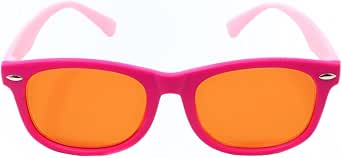 | Best for Evening Screen Use | Lens width: 47 mm | Bridge: 17 mm | Temple length: 132 mm | VIEW ON AMAZON | See Our Full Breakdown |
| Kids’ Blue Light Glasses, Anti-Glare UV400 |  | Best for Added UV400 Labeling | Origin: Imported | Prescription: Non-prescription | Fit: Designed for children and smaller faces | VIEW ON AMAZON | See Our Full Breakdown |
| Kids Blue Light Blocking Glasses, 3-Pack |  | Best Multipack for Younger Kids | Pack size: 3 pairs | Frame material: TR90 | Lens type: Blue-light blocking | VIEW ON AMAZON | See Our Full Breakdown |
| Hycredi Kids’ Blue Light Blocking Glasses, Square Frame |  | Best for Everyday School and Home Wear | Lens width: 48 mm | Lens height: 38 mm | Nose bridge: 15 mm | VIEW ON AMAZON | See Our Full Breakdown |
| DYLB Kids Blue Light Blocking Glasses, 2-Pack |  | Best Value for Two-Pair Coverage | Pack size: 2 pairs | Age range: 3–10 years | Frame material: TR90 | VIEW ON AMAZON | See Our Full Breakdown |
| Blue Light Blocking Glasses for Kids, Teens – Anti Glare UV Protection for Computer, Gaming, TV, Phone |  | Best for Active Kids Who Need a Secure Fit | Intended age: 6–9 years | Material: Lightweight, flexible materials | Fit: Elastic spring for secure fit | VIEW ON AMAZON | See Our Full Breakdown |
More Details on Our Top Picks
SEEAFUN Blue Light Glasses for Kids with Car Case
The SEEAFUN stands out for families who want more than a pair of screen glasses: its kit includes a car-shaped case, adjustable strap, screwdriver, test card, and cleaning cloth. The flexible, lightweight TR90 frame is specified for ages 3–12, while the clear lenses have a blue-light coating and UV400 protection. Compared with the Kids Blue Light Blocking Glasses, 3-Pack, this is a single-pair choice with more carrying and fit accessories rather than several pairs for home, school, or backup use. The wide suggested age range is convenient, but it does not guarantee a good fit across very different face sizes. I’d choose it for a child who benefits from a strap and a dedicated case; families needing multiple pairs should look at a multipack instead.
Pros:- Flexible, lightweight TR90 frame
- Adjustable elastic strap can help keep the glasses in place
- Includes a mini car case, screwdriver, test card, and cleaning cloth
- Clear lenses list blue-light coating and UV400 protection
Cons:- Ages 3–12 is a broad suggested range, so fit may vary considerably
- One pair offers less backup coverage than the three-pair options
- The product data does not give frame dimensions
Best for: Families seeking one lightweight pair with a carrying case, adjustable strap, and cleaning accessories for a child aged 3–12
Not ideal for: Households that need glasses for several children or multiple locations, since this set includes one pair and fit still depends on the child’s face
- Frame material:TR90
- Lens:Transparent with blue-light coating
- Blue-light range:400–440 nm
- UV protection:UV400
- Suggested age range:3–12 years
- Pack quantity:1 pair
- Included accessories:Mini car case, blue-light test card, mini screwdriver, adjustable elastic strap, cleaning cloth
Our verdict“Choose SEEAFUN if the case and adjustable strap matter more to your family than having multiple pairs.”
Pro Acme Blue Light Blocking Glasses for Kids – Boys & Girls Unbreakable Frame (3-12 Years)
For children who are rough on everyday eyewear, the Pro Acme puts its emphasis on a bendable, lightweight frame rather than extras. The product claims over 99% blue-light blockage and 99.9% UV protection, and its clear lenses are described as preserving color without distortion. That makes it a more protection-claim-focused option than the SEEAFUN Blue Light Glasses for Kids with Car Case, which instead offers a strap and a fuller accessory kit. Pro Acme’s colorful styles may also appeal to kids who want a say in what they wear. The tradeoff is that the frame may run large for very young children, and color availability can vary by style. I’d favor it for an active child whose face suits the stated fit, not as a guaranteed fit for every child in the 3–12 range.
Pros:- Lightweight, bendable frame is described as unbreakable
- Manufacturer claims over 99% blue-light blockage
- Lists 99.9% UV protection
- Clear lenses are described as avoiding color distortion
Cons:- May be too large for very young children
- Some styles may have limited color availability
- Product data does not provide frame dimensions
Best for: Parents of active children aged 3–12 who prioritize a bendable frame and clearly stated blue-light and UV protection claims
Not ideal for: Families shopping for a very young or small-faced child, since the frame may be too large and age guidance alone cannot confirm fit
- Frame material:TR (thermoplastic) plastic
- Age range:3–12 years
- Blue-light blockage:Over 99% (manufacturer claim)
- UV protection:99.9%
- Frame type:Unbreakable, bendable
- Lens:Clear; described as not distorting vision
- Style options:Colorful frame options; availability may vary by style
Our verdict“Pick Pro Acme for a child who needs a flexible, active-use frame and fits its relatively broad 3–12 sizing.”
Kids Blue Light Blocking Glasses, 3-Pack
This three-pair set is the most fit-feature-focused multipack in this group: bendable silicone temple tips and anti-slip nose pads are intended to help the glasses sit more securely during extended wear. Its clear lenses also have a seven-layer anti-reflective coating, with blue-light coverage and light transmittance figures supplied as manufacturer claims. Compared with the Okany Kids Blue Light Blocking Glasses, 3-Pack, this option calls out flexible temple tips and fit details, while Okany provides an age range, UV400 protection, and listed color choices. The main drawback here is uncertainty: the product data gives neither frame dimensions nor a suggested age range, so three pairs do not solve the sizing question. I’d choose this set when those fit features matter and a family can confirm the measurements before buying.
Pros:- Three pairs provide spares or allow pairs to be kept in different places
- Bendable silicone temple tips are designed to accommodate movement
- Ergonomic anti-slip nose pads are intended to improve stability
- Clear lenses have a seven-layer anti-reflective coating
Cons:- No frame dimensions or suggested age range are provided
- Blue-light range and 98% light transmittance are manufacturer claims
- Product data does not list UV protection
Best for: Families wanting three pairs with flexible temple tips and anti-slip nose pads, especially when the child’s fit can be checked before purchase
Not ideal for: Caregivers who need a clearly stated age range, frame measurements, or UV protection details to choose confidently
- Pack quantity:3 pairs
- Frame material:TR90
- Temple tips:Bendable silicone
- Nose pads:Ergonomic, anti-slip
- Lens coating:Seven-layer anti-reflective
- Claimed blue-light range:400–440 nm
- Claimed light transmittance:98%
Our verdict“Choose this multipack if its flexible fit features appeal and you can verify sizing despite the missing age and dimension details.”
Okany Kids Blue Light Blocking Glasses, 3-Pack
The Okany 3-Pack is a practical choice when a child needs screen glasses in more than one place: three color options can be split between home, school, and a spare bag. Its clear, non-prescription lenses combine an anti-reflective coating with UV400 protection, and the lightweight rectangular frames have anti-slip nose pads. Compared with the Kids Blue Light Blocking Glasses, 3-Pack, Okany gives a defined age range of 3–10 and UV400 information, while the other set specifies bendable silicone temple tips and a blue-light range. Okany’s product data does not provide a blue-light blocking percentage or wavelength range, so buyers seeking those specific claims may prefer another option. It also cannot replace prescription eyewear. I’d choose it for a younger child who needs several non-prescription pairs and fits the stated age range.
Pros:- Three pairs in grey-black, transparent, and blue
- Clear, non-prescription lenses have an anti-reflective coating
- UV400 protection is listed
- Lightweight, shock-resistant frames have anti-slip nose pads
Cons:- Suggested fit is limited to children ages 3–10
- Non-prescription lenses do not meet corrective vision needs
- Product data does not specify a blue-light blocking percentage or wavelength range
Best for: Families with a child aged 3–10 who want multiple clear, non-prescription pairs for different locations
Not ideal for: Older children, children who need corrective lenses, or caregivers specifically seeking a stated blue-light blocking percentage or wavelength range
- Pack quantity:3 pairs
- Lens type:Clear, non-prescription
- Lens features:Anti-reflective coating, UV400 protection
- Frame style:Rectangular
- Suggested age range:3–10 years
- Colors:Grey-black, transparent, blue
- Frame features:Lightweight, shock-resistant, anti-slip nose pads
Our verdict“Choose Okany for a younger child who needs three non-prescription pairs with UV400 protection, but not for prescription needs or a quantified blue-light claim.”
Kids’ Blue Light Blocking Glasses, Black and Blue
These glasses focus on staying put on smaller faces: the flexible TR90 frame pairs with elastic temples intended to reduce slipping during study, gaming, and everyday screen use. Unlike the SEEAFUN Blue Light Glasses for Kids with Car Case, this model specifies lens and temple measurements, which gives shoppers more concrete sizing information, though it does not include SEEAFUN’s strap or accessory kit. The recommended age range is 3–10, and the product is described for indoor use. The listing does not state a blue-light wavelength range, blocking percentage, or UV protection, so buyers wanting those claims should compare it with Pro Acme or SEEAFUN. I’d pick this option when a secure fit is the priority and its stated dimensions suit the child, rather than relying on age alone.
Pros:- Flexible TR90 frame is designed for active daily use
- Elastic temples are intended to help prevent slipping
- Lens and temple measurements offer more sizing detail than several alternatives
- Black, dark blue, and light blue color options are listed
Cons:- Recommended fit is limited to children ages 3–10
- Product is intended for indoor use
- Product data does not specify UV protection or a blue-light range or percentage
Best for: Parents of children aged 3–10 who have trouble keeping glasses in place and can check the listed lens and temple measurements
Not ideal for: Families seeking stated UV protection, a quantified blue-light blocking claim, or glasses intended for outdoor use
- Frame material:TR90
- Recommended age:3–10 years
- Lens width:124 mm
- Lens height:41 mm
- Temple length:127 mm
- Temple feature:Elastic temples designed to help prevent slipping
- Colors:Black, dark blue, light blue
- Use:Indoor
Our verdict“Choose this pair if staying secure on a small face matters most and its measurements match your child.”
Kids Blue Light Blocking Glasses
These glasses keep the choice simple for families seeking lightweight, non-prescription eyewear sized with children in mind. Their described blue-light filtering and glare reduction suit homework, gaming, or video calls, without adding vision correction that a child may not need. Compared with the DefenderShield Kid Series, this pair offers fewer fit details and no stated filter percentage, but it may appeal to buyers who prefer a basic everyday option over a more specified model. The main tradeoff is uncertainty: the listing gives no frame material or measurements, so it is hard to judge durability or predict fit before purchase. I’d choose it for uncomplicated screen use, not when exact sizing or documented lens performance is the priority.
Pros:- Designed for children and smaller faces
- Lightweight design suits everyday wear
- Non-prescription lenses work for children who do not need vision correction
- Lenses are described as filtering blue light and reducing glare
Cons:- No frame material is specified
- No sizing measurements are provided
- No filter percentage or technical lens details are stated
Best for: Parents seeking lightweight, non-prescription glasses for a child with a smaller face and ordinary screen activities.
Not ideal for: Buyers who need exact frame measurements, a stated frame material, or a documented blue-light filtering percentage.
- Intended wearer:Children
- Prescription:Non-prescription
- Frame fit:Designed for smaller faces
- Lens features:Blue-light filtering and glare reduction
- Weight:Described as lightweight
- Origin:Imported
Our verdict“Choose this pair for a lightweight, straightforward kids’ option when the lack of sizing and lens-performance detail is acceptable.”
Livho High Tech Blue Light Glasses – Advanced Blue Light Blocking Computer Glasses
Livho is the outlier in this group: it uses a casual adult-style frame rather than being specifically sized or described for children. Its nylon construction is presented as ultra-lightweight, which may suit an older child or teen who wants glasses that look less like kids’ eyewear for long screen sessions. Compared with the Kids Blue Light Blocking Glasses, 3-Pack, Livho does not offer child-specific sizing, elastic temples, or several color choices; its appeal is the more grown-up styling and stated nylon frame. The listing also mentions UV protection and reduced eye strain, but gives no technical filtering details or certifications to verify those claims. Skip it for a young child who needs a clearly documented small fit.
Pros:- Nylon frame is described as ultra-lightweight
- Casual styling may suit teens who dislike overtly childlike designs
- Non-prescription design is intended for screen use
- Listing describes glare reduction and UV protection
Cons:- Not specifically sized for children or smaller faces
- No fit options or adjustable nose pads are mentioned
- No specific filtering figures or certifications are provided
Best for: Older children or teens who prefer a casual, adult-style frame and want lightweight non-prescription glasses for extended screen use.
Not ideal for: Parents shopping for a young child who needs child-specific measurements, adjustable fit features, or detailed lens specifications.
- Material:Nylon
- Type:Non-prescription blue-light glasses
- Design:Casual women’s/men’s eyewear frame
- Weight:Described as ultra-lightweight
- Lens claims:Blue-light blocking and glare reduction
- UV protection:Described as protecting against UV rays
Our verdict“Pick Livho for an older child or teen who values lightweight adult-style eyewear more than child-specific fit details.”
DefenderShield Blue Light Blocking Glasses Kid Series for Computer, Mobile, Gaming, Sleep – Purple
DefenderShield is the most specification-forward choice here, with a stated 99% filter percentage and exact lens, bridge, and temple measurements. Those details make it easier to compare sizing than the basic Kids Blue Light Blocking Glasses, which provide no dimensions. The listing also describes shatterproof lenses and adjustable silicone ear hooks, useful features for a child who moves around while wearing glasses. Its focus on nighttime screen use and sleep may appeal to families building an evening routine, but the glasses remain non-prescription and cannot address vision correction. The purple design and limited color selection may also be a mismatch for some children. I’d favor it over less-specified options when fit information and evening use matter most.
Pros:- States a 99% filter percentage
- Provides lens, bridge, and temple measurements
- Shatterproof lenses and flexible frames are described
- Adjustable silicone ear hooks support a more secure fit
Cons:- Non-prescription lenses do not correct vision
- Purple styling may not suit every child
- Color options are limited
Best for: Families seeking measurable sizing details and a stated filtering percentage for a child who uses screens in the evening.
Not ideal for: Children who need prescription correction, dislike the purple design, or need a broader choice of colors.
- Lens width:47 mm
- Bridge:17 mm
- Temple length:132 mm
- Filter percentage:99%
- Lens construction:Described as shatterproof
- Fit feature:Adjustable silicone ear hooks
- Color:Purple
- Prescription:Non-prescription
Our verdict“Choose DefenderShield when stated filtering and fit details matter more than color choice or prescription correction.”
Kids’ Blue Light Glasses, Anti-Glare UV400
This pair stands out for combining blue-light filtering, anti-glare, and UV400 lens claims in a lightweight design for smaller faces. That broader list of lens features may appeal to parents who want more than a basic screen-glasses description. Compared with the DefenderShield Kid Series, however, this listing does not provide a filter percentage or exact frame measurements, so buyers get less help judging performance and fit. The frame is described as unbreakable, but no material or construction details are supplied to clarify what that means. I’d treat it as a simple everyday option if the UV400 label is a deciding feature, while families who need fit certainty may prefer a model with published dimensions.
Pros:- Designed for children and smaller faces
- Lightweight frame is suited to everyday wear
- Lenses are described as blue-light filtering and anti-glare
- UV400 feature is stated
Cons:- No frame or lens material is specified
- No exact dimensions or fit adjustments are provided
- No blue-light filtering percentage is listed
Best for: Parents looking for lightweight children’s glasses with stated anti-glare and UV400 lens features for everyday screen activities.
Not ideal for: Buyers who need exact dimensions, a named frame material, or a stated blue-light filtering percentage before choosing.
- Origin:Imported
- Prescription:Non-prescription
- Fit:Designed for children and smaller faces
- Frame:Lightweight; described as unbreakable
- Lens features:Blue-light filtering and anti-glare
- UV protection:UV400
Our verdict“Choose this pair for its stated UV400 and anti-glare features if you can accept limited sizing and material information.”
Kids Blue Light Blocking Glasses, 3-Pack
This three-pack is the clearest choice for younger children who need a child-specific fit and may benefit from having spare pairs. Its flexible TR90 frames and elastic temples are intended to help the glasses stay in place during everyday use, while three colors give children some choice. Compared with the single-color DefenderShield Kid Series, this set offers more variety and spares, but DefenderShield provides a stated filter percentage and more complete individual fit measurements. The listed age range of 3–10 years is useful guidance, though it also marks a limit: older children or those with larger faces may find the fit too small. I’d pick this set for younger kids, not for families prioritizing detailed lens-performance claims.
Pros:- Three color options provide choice and spare pairs
- Flexible TR90 frames are suited to active daily use
- Elastic temples are intended to help prevent slipping
- Designed for children’s smaller faces
Cons:- Recommended age range is limited to 3–10 years
- Frame may not fit larger faces
- No filtering percentage or further lens-performance details are provided
Best for: Families with children aged 3–10 who want flexible everyday frames, a stay-put temple design, and multiple color options.
Not ideal for: Older children or kids with larger faces, and buyers who want a stated filtering percentage or detailed lens-performance data.
- Pack size:3 pairs
- Frame material:TR90
- Lens type:Blue-light blocking
- Recommended age:3–10 years
- Lens width:124 mm
- Lens height:41 mm
- Temple length:127 mm
- Colors:Light blue, light purple, light pink
Our verdict“Choose this multipack for younger children who need flexible, colorful glasses, but look elsewhere for older-child sizing or detailed filtering data.”
Hycredi Kids’ Blue Light Blocking Glasses, Square Frame
The Hycredi is a practical pick for families who want one lightweight pair for schoolwork, gaming, and TV rather than a multipack. Its PC lenses are described as filtering blue light and provide UV400 protection, a stated protection feature that the DYLB 2-Pack does not detail beyond its general protection claim. The frame measurements—48 mm lenses and 127 mm arms—give buyers useful sizing information, though they do not guarantee a comfortable fit on every child.
Compared with the DYLB, Hycredi offers clearer sizing and lens-material details, while DYLB supplies two pairs and a flexible TR90 frame. Hycredi’s tradeoff is that it includes just one pair and the provided information does not quantify blue-light filtering performance. Its child-focused dimensions may also rule it out for adults or children outside the intended fit range.
Pros:- PC lenses are described as filtering blue light and include stated UV400 protection
- Lightweight frame is intended for regular wear at home or school
- Lens, bridge, and arm measurements help with fit comparisons
- Includes a soft cleaning cloth
Cons:- Only one pair is included
- No quantified blue-light filtering results or testing details are provided
- Child-specific sizing may not fit adults or every child
Best for: Parents seeking a single everyday pair for a child who switches between schoolwork and entertainment screens, with stated UV400 protection and measurements to compare against existing glasses.
Not ideal for: Families wanting backup pairs or a flexible TR90 frame, or shoppers who need documented blue-light filtering test results.
- Lens width:48 mm
- Lens height:38 mm
- Nose bridge:15 mm
- Frame height:42 mm
- Arm length:127 mm
- Lens material:PC
- UV protection:UV400
- Included care item:Soft glasses cloth
Our verdict“Choose Hycredi for a measured, single-pair option with stated UV400 protection; choose the DYLB instead if having two pairs and a flexible frame matters more.”
DYLB Kids Blue Light Blocking Glasses, 2-Pack
DYLB’s main distinction is straightforward: two pairs come in the pack, giving families a spare for a backpack, another caregiver’s home, or a lost-pair mishap. The flexible TR90 frames are also a useful fit for children ages 3–10, especially compared with the single-pair Hycredi, which provides more frame measurements but no backup. Its clear finish is a low-key choice for kids who prefer glasses that do not draw much attention.
The limitation is the available lens information. DYLB says the lenses filter blue light and provide UV400 protection, but does not specify filtering performance or testing details. Hycredi likewise lacks quantified filtering data, yet lists PC lens material and precise dimensions. I’d favor DYLB when quantity and frame flexibility lead the decision; families prioritizing measurable fit details should compare its sizing carefully before buying.
Pros:- Two pairs provide a convenient backup
- Flexible TR90 frames are designed to be lightweight
- Age range is specified as 3–10 years
- Clear transparent finish offers a subtle look
Cons:- No specific blue-light filtering performance or testing details are provided
- Frame dimensions are not listed
- The stated age range may not suit older children or teens
Best for: Families with children ages 3–10 who want a spare pair for school bags or a second household and prefer a lightweight, flexible frame.
Not ideal for: Buyers who need specific frame measurements, documented lens-filtering tests, or a style other than a clear transparent frame.
- Pack size:2 pairs
- Age range:3–10 years
- Frame material:TR90
- Frame color:Clear transparent
- Blue-light protection:Lenses described as filtering blue light
- UV protection:UV400
Our verdict“Pick DYLB when two flexible pairs for a younger child matter more than detailed fit measurements or published lens-testing information.”
Blue Light Blocking Glasses for Kids, Teens – Anti Glare UV Protection for Computer, Gaming, TV, Phone
This model’s clearest differentiator is its elastic spring fit, intended to help keep the glasses secure on active children. The product is aimed at ages 6–9 and describes lightweight, flexible materials, making it a more activity-focused option than the square-framed Hycredi, whose listing emphasizes dimensions and everyday use instead. The stated uses span gaming, online learning, and casual screen time, while the color and style options may appeal to children who want a more expressive look.
There are important information gaps: the listing does not name a UV protection level, and it gives no specific lens test results to substantiate its blue-light filtering claim. Its stated age range is also narrower than the DYLB’s 3–10 range, and may exclude older children and teens despite the title. I’d choose it for fit and style, not for the most thoroughly specified lens protection.
Pros:- Elastic spring fit is designed to help keep glasses secure
- Lightweight, flexible materials are intended for comfortable wear
- Style and color options offer more visual choice
- Listed for gaming, online learning, and other screen activities
Cons:- Intended age range is limited to 6–9 years
- No specific UV protection level is provided
- Blue-light filtering performance and testing details are not specified
Best for: Families with an active child around ages 6–9 who values colorful styles and needs glasses designed to stay secure during everyday screen activities.
Not ideal for: Parents of older teens or buyers who require a stated UV protection level, detailed sizing, or documented lens-filtering performance.
- Intended age:6–9 years
- Material:Lightweight, flexible materials
- Fit:Elastic spring for secure fit
- Color options:Trendy colors and styles for girls and teens
- Listed screen activities:Computer, gaming, TV, and phone use
- Lens claim:Described as filtering high-energy digital rays
Our verdict“Choose this model for a secure, style-led fit for a child around ages 6–9, but prefer Hycredi if stated UV400 protection is a priority.”
How We Picked
I compared the 13 listings around the questions parents can use to make a practical choice: whether the frame is described as durable, what comes in the package, how clearly the product is positioned for children, and whether the listing calls out features such as a case, anti-glare treatment, UV400, or a multi-pair bundle. I also weighed how easy it would be for a family to judge fit and lens claims from the available product information. Since the supplied names do not establish measured filtering performance or verified fit, I avoid treating those claims as proof of eye-health benefits.
The ranking gives more weight to useful distinctions than to repeated category wording. Pro Acme leads on its stated unbreakable-frame design; SEEAFUN earns a place for the practical storage case; and the multi-packs are relevant for families seeking backups. The remaining options are differentiated by frame style, named features, or broad use claims, but listings with few concrete distinctions rank behind choices with a clearer buyer benefit. I would confirm frame measurements, lens specifications, and return terms before ordering any pair.
Factors to Consider When Choosing Kids Bluelight Blocking Glasses
Before choosing among these kids’ blue light blocking glasses, I’d focus on daily wearability and the evidence behind the lens claims rather than assuming every pair works the same way. These broader checks can prevent a stylish or convenient purchase from becoming a pair your child leaves in a drawer.
Check Fit Before Prioritizing Style
Children’s faces vary widely, even within the same age range, so an age label is only a starting point. Compare the listed frame width, lens width, bridge size, and temple length with glasses your child already wears comfortably. Frames that press at the temples or slide down the nose can distract during reading and make regular wear less likely. A wider frame is not automatically a better fit, and a snug frame should not leave pressure marks. If dimensions are missing, ask the seller or choose a listing with a clear return policy. I’d let your child help select a frame style only after narrowing the options to sizes likely to fit.
Separate Blue-Light Claims From Other Lens Features
Product listings may use phrases such as blue-light blocking, anti-glare, or UV400, but these describe different claims and do not reveal the same information. UV400 refers to ultraviolet protection claims, while anti-glare language relates to reflections; neither phrase alone specifies the wavelength range or percentage of blue light filtered. Look for a maker’s stated testing method and spectral information if filtering performance is a priority. A strongly tinted lens can change how colors appear, which may be inconvenient for schoolwork, art, or screen-based activities. Ask an eye-care professional if your child has headaches, visual discomfort, or a diagnosed vision concern rather than relying on a non-prescription screen product to address it.
Choose Durability for the Way Your Child Uses Them
Frame toughness matters most when glasses will travel in a backpack, move between classrooms, or be handled by a younger child. A flexible or break-resistant design may reduce worries about ordinary knocks, but no frame should be treated as indestructible. Check whether the hinges, nose area, and included case are described clearly, since those parts affect day-to-day handling. A hard case can protect glasses in a bag, while a soft pouch may take up less room but offer less impact protection. For calm, supervised screen use at home, comfort and fit may matter more than rugged construction. Match the frame to the child’s routine instead of paying attention to a durability label alone.
Decide Whether a Multipack Solves a Real Problem
A 2- or 3-pair bundle can be useful when glasses routinely go missing or when a family wants pairs in separate locations. The tradeoff is that several pairs do not help if none fit well, and they may create more unused eyewear if your child dislikes the frame. Check whether the bundle includes identical frames or different styles, and whether each pair has its own protective storage. For a first purchase, one well-fitting pair can be a better way to learn what your child will actually wear. Once fit and preference are clear, backups become a more informed choice. Compare included pieces and lens details rather than judging a bundle by pair count alone.
Think About Screen Habits Alongside Glasses
Glasses are only one possible part of a comfortable screen routine, and they do not correct an unsuitable viewing distance or a screen set too bright for the room. Encourage regular breaks, comfortable posture, and screen settings that suit the lighting around your child. If discomfort continues, an eye-care professional can check for vision issues or other causes that glasses marketed for blue light may not address. For children who switch among school devices, television, and gaming, a pair must be comfortable across more than one activity to earn its place. A dedicated use case can also help: some families may want glasses for longer screen sessions rather than all-day wear. Avoid presenting eyewear as a substitute for healthy screen habits or an eye exam.
Frequently Asked Questions
How can I tell whether a pair fits my child before ordering?
Start with the maker’s frame measurements rather than relying only on a suggested age range. Compare those numbers with a pair your child already wears comfortably, paying attention to frame width and temple length as well as lens size. If the listing has no dimensions, contact the seller or favor an option with a workable return policy. When the glasses arrive, check for sliding, pinching, and pressure around the ears during ordinary wear. A child’s comfort is a better reason to keep a pair than a style label or broad age claim.
Do anti-glare or UV400 labels prove that glasses block blue light?
No. Those labels refer to claims that are different from a stated blue-light filtering range or percentage. I’d look for product documentation that explains the wavelengths tested and the test method, rather than treating a feature phrase as proof of performance. If that information is not available, the listing does not give enough detail to compare filtering claims confidently. For persistent eye discomfort or questions about a child’s vision, ask an eye-care professional.
Should I buy a multipack or start with one pair?
Start with one pair if you do not yet know which frame shape your child will tolerate. A bundle can make sense after fit and willingness to wear the glasses are established, or when losing a pair is a regular problem. Check whether the extras are the same design and whether protective storage is included. More pairs do not improve fit or establish lens performance, so pack size should solve a practical household problem. If the child rejects the first pair, a larger bundle can leave you with several unused pairs.
Can kids wear blue-light blocking glasses all day at school?
That depends on the child, the lens tint, and the purpose of the glasses; a screen-focused product is not automatically suitable for all-day wear. Tint can alter color perception, which may affect activities that depend on seeing colors accurately. Check the product’s intended use and ask an eye-care professional if your child needs vision correction or has symptoms. For school, comfort, secure fit, and clear visibility matter more than wearing glasses continuously. Screen breaks and appropriate display settings remain useful whether or not a child wears these glasses.
What should I do if my child still has headaches or eye discomfort while wearing them?
Do not assume the glasses are addressing the cause, or that more filtering is the answer. Check for a poor fit, distracting reflections, an uncomfortable tint, screen glare, and long uninterrupted viewing. Encourage breaks and adjust the screen and room lighting to a comfortable level. If symptoms persist, recur, or affect schoolwork, arrange an eye-care assessment rather than relying on non-prescription eyewear. Bring the glasses and the product’s lens information to the appointment if you have it.
Conclusion
For a best overall starting point, I’d choose Pro Acme when the stated unbreakable-frame design fits your child’s routine. SEEAFUN is my pick for families who value a dedicated car case, while the listed 2- and 3-pair bundles suit buyers who already know their child will wear that frame and want backups. For a best premium choice, I’d compare the DefenderShield Kid Series against the others only after checking its lens documentation and fit details; the product name alone cannot establish superior filtering. For beginners, start with one comfortable, clearly measured pair rather than a bundle. If your child needs glasses for a specific activity, prioritize a secure fit, clear visibility, and activity-appropriate lens information, then confirm any vision concerns with an eye-care professional.


