
TL;DR

Turn the school run and nap time into listening time
- Thousands of audiobooks, podcasts and originals
- Listen on your phone, tablet or Echo — also offline
- Cancel anytime
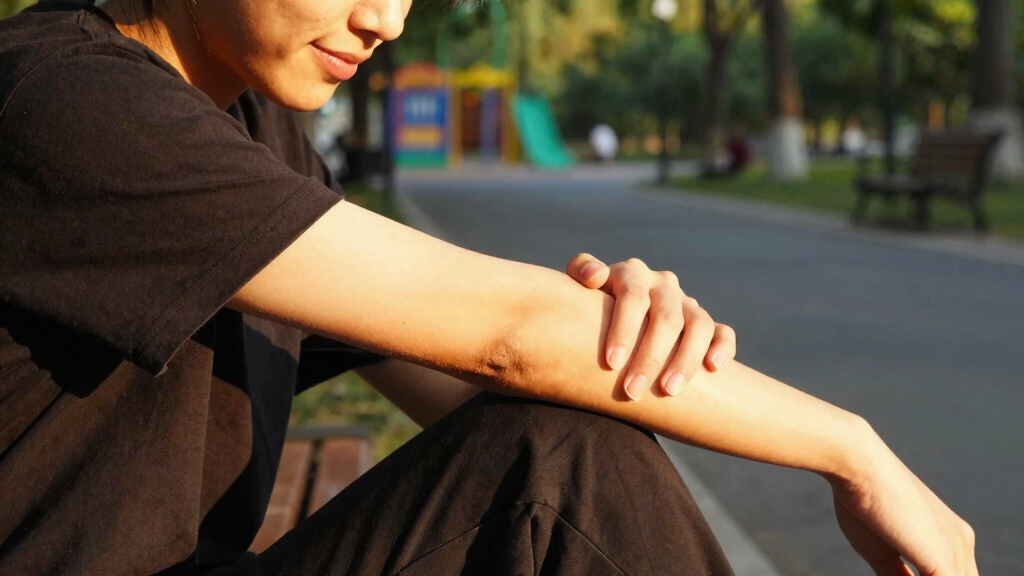
A man shares his story of breaking his arm seven times during childhood and adolescence. He discusses how these injuries led him to better understand and listen to his body’s signals. The story highlights the importance of body awareness and self-care.
A man who broke his arm seven times during childhood and adolescence has shared how these injuries influenced his understanding of his body and prompted him to listen more carefully to its signals. The story provides insight into how repeated injuries can shape perceptions of health and resilience, emphasizing the importance of body awareness.
The individual, identified as Jonathan Oldfield, experienced his first arm fracture at age eight in 2002 after falling off his bike. Over the years, he suffered six additional breaks from various activities, including trampoline falls, playing sports, and a deliberate re-break under anesthesia to correct previous misalignments. His final injury occurred in Paris at age 13 during a football game, after which he recognized the injury immediately. Despite the pain, he continued to push through, ignoring lingering discomfort and trusting his body’s signals less over time.
Oldfield’s injuries led him to reflect on the cultural and personal significance of repeated trauma. He recounts how a masseuse once suggested his arm was ‘haunted,’ implying ancestral messages, which prompted him to explore his family history. His great-great-grandfather lost his right arm in World War I, which he humorously linked to his own experiences. These injuries, he says, have left a lasting mark, with residual pain often surfacing during times of stress or illness, such as COVID-19 or anxiety about heights.
Despite the physical toll, Oldfield admits he initially ignored these signals, pushing through pain and discomfort. Over time, he has learned to heed his body’s warnings, using the experience as a reminder to slow down and prioritize self-care. He now sees his recurring injuries as a form of body memory, helping him recognize when to rest and avoid further harm.
Understanding the Impact of Repeated Injuries on Body Awareness
This story highlights how repeated physical trauma can influence a person’s perception of their health and body signals. Recognizing and listening to bodily cues can prevent further injury and promote better self-care. It also underscores the importance of respecting physical limits, especially in adolescence and childhood, to foster long-term well-being.
As an affiliate, we earn on qualifying purchases.
Childhood Injuries and Cultural Perspectives on Trauma
Oldfield’s injuries span from age eight to 13, with incidents involving common childhood activities like biking, trampoline jumping, and sports. His experiences reflect a pattern of resilience and the tendency to ignore pain, a common trait among young people eager to push boundaries. The cultural element emerges through the anecdote about the masseuse’s comment on ancestral messages, connecting personal trauma with broader cultural beliefs about body and spirit. His family history, including a great-great-grandfather’s war injury, adds a historical layer to his understanding of physical trauma.
These events occurred in a context where childhood injuries are often dismissed or underestimated, yet they can leave lasting physical and psychological impressions. Oldfield’s reflections suggest that acknowledging these injuries can be a step toward better health management and self-awareness.
“Repeated injuries can serve as physical memories, influencing how individuals perceive and respond to their health signals.”
— an anonymous researcher
Unclear Long-Term Effects of Repeated Childhood Fractures
It is not yet confirmed how these multiple fractures might affect Oldfield’s long-term joint health or risk of future injuries. While he reports ongoing pain and stress responses, medical research on the long-term impact of repeated childhood fractures remains inconclusive, and individual outcomes vary.
Potential for Further Medical Evaluation and Personal Growth
Oldfield plans to continue monitoring his body’s signals and may seek medical advice if pain persists. His story encourages others to pay close attention to their physical health, especially after repeated injuries. Future developments could include medical assessments to evaluate long-term effects or psychological support to process trauma.
Key Questions
Can repeated childhood fractures cause long-term health problems?
While some research suggests potential risks for joint issues or arthritis, outcomes vary widely. Consulting a healthcare professional can provide personalized assessment and guidance.
What are signs I should listen for after an injury?
Persistent pain, swelling, or unusual movement are signs to seek medical advice. Paying attention to these signals can prevent further damage.
How can I better listen to my body’s signals?
Practicing mindfulness, avoiding pushing through pain, and consulting health professionals when unsure are effective ways to improve body awareness.
Is it common for injuries to leave lasting memories in the body?
Yes, injuries can create physical and psychological memories, influencing future responses and perceptions of health. Recognizing these can aid in better self-care.
Source: Guardian Life
Cold & flu season Picks
humidifiers
As an affiliate, we earn on qualifying purchases.



![Every Parent Dreads That Call From School… 📞😱 [Litterbox Comics]](https://healthykidplay.com/wp-content/uploads/2026/10/every-parent-dreads-that-call-from-school-litterbox-comics-featured-260x140.jpg)