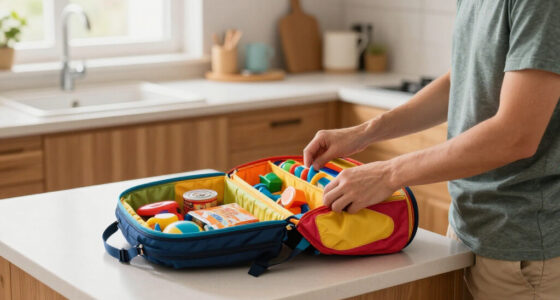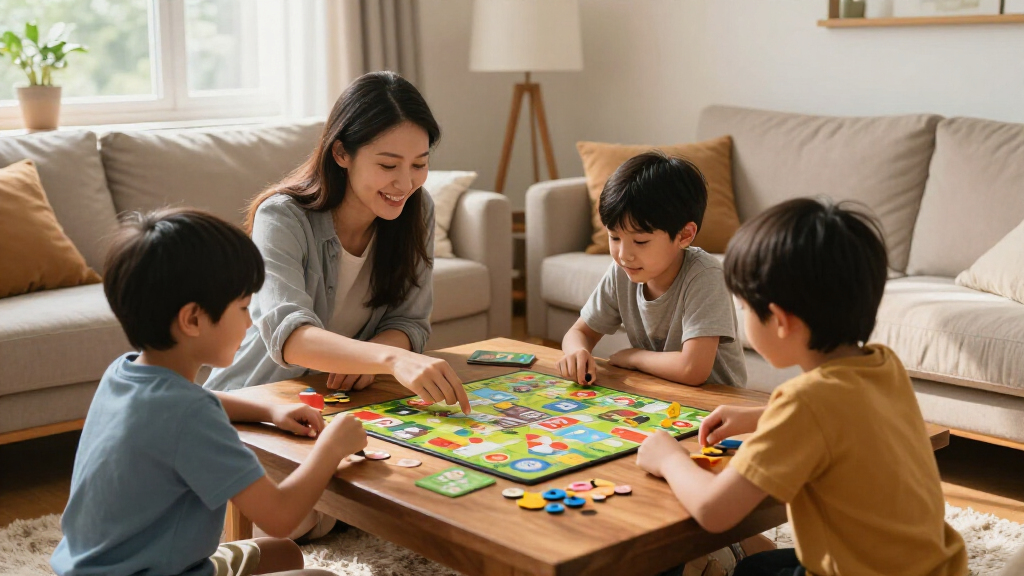

The best family-friendly board games balance simple rules, short play times, and genuine fun for mixed ages — and after comparing 11 popular options, TAPPLE takes the top spot for its fast rounds, tiny learning curve, and ability to include everyone from grandparents to six-year-olds. UNO remains the best value pick thanks to its near-universal appeal and price, while Herd Mentality wins for larger gatherings and laugh-out-loud moments. The main tradeoff in this category is between skill-building depth (games like Scrabble and Yahtzee) and pure accessibility (games like Trouble and Hedbanz), plus player-count limits that can make or break a purchase depending on your family size. Cheap classics sometimes outperform pricier novelty games, so price alone doesn’t predict quality. Read on for the full breakdown of what each game does well, where it falls short, and which one fits your table.
Play games included with Prime
Start a Prime free trial and play with Amazon Luna on your devices.
Start playingAs an affiliate, we earn on qualifying purchases.
Complete the kit


Key Takeaways
- Speed of play separated the winners from the rest: TAPPLE, UNO, and Hedbanz all finish rounds in minutes, while The Game of Life and Scrabble demand hour-plus commitments that lose younger players.
- The biggest hidden cost in this category is player-count limits — Herd Mentality (4-20+) and UNO (2-10) accommodate big families and guests, but TAPPLE caps at 8 and Sorry! at 4.
- Luck-based games (Trouble, Sorry!, UNO) keep mixed-age groups competitive because a six-year-old can genuinely beat a parent, while skill games like Scrobble and Yahtzee favor older players every time.
- Several under-$15 classics outperformed pricier boxed games on replay value, making price a poor predictor of family satisfaction in this comparison.
- Conversation-driven games (Do You Really Know Your Family?, Herd Mentality) delivered the strongest social payoff but require at least four engaged players to work at all.


| family-friendly board game | Game Type | Players |
|---|---|---|
| Trouble Board Game for Kids Ag | Race board game | 2-4 |
| Hues and Cues | Color-guessing party game | 3-10 |
| Hasbro Gaming Yahtzee Game | Dice game | 2 or more |
| Herd Mentality: Funny Family P | Party guessing game | 4-20+ |
| The Game of Life Board Game | — | 2-4 |
| Sorry! Board Game for Kids Age | — | — |
| Do You Really Know Your Family | Card game | Kids, teens, and adults |
| Hasbro Gaming Scrabble Board G | Word game | — |
| Mattel Games UNO Card Game | Matching card game | 2-10 |
| Hedbanz Picture Guessing Game | Picture guessing party game | — |
| USAOPOLY The Original TAPPLE | Fast-paced category word game | — |
More Details on Our Top Picks
Trouble Board Game for Kids Ages 5 and Up
Most family games in this roundup start at age 7 or 8, which makes Trouble’s age-5 rating its single biggest advantage. The Pop-o-Matic bubble does more than look nostalgic — it eliminates the choking hazard and lost-dice problem that frustrates parents with games like Yahtzee, and it keeps turns moving without arguments over dice rolls. The Power Up variant gives adults a reason to stay engaged, though the base game is pure luck with almost no decision-making. Compared with Herd Mentality, it scales far worse: four players is the hard ceiling, so bigger families will need to rotate or pick something else. The tradeoff for that young-player accessibility is limited replay depth — older kids may outgrow it within a couple of years.
Pros:- Lowest age rating in the roundup at 5 and up
- Pop-o-Matic bubble keeps dice contained and turns fast
- Power Up mode adds variety for adults
- Setup takes under two minutes
Cons:- Hard cap of 4 players excludes larger families
- Almost entirely luck-based, so repeated plays feel samey
- Board footprint is large relative to the gameplay depth
Best for: Families with children aged 5-7 who want a first board game that needs zero reading skills
Not ideal for: Households with more than 4 people or kids over 10 — the simplicity and player cap will wear thin quickly
- Ages:5 and up
- Players:2-4
- Game Type:Race board game
- Special Features:Pop-o-Matic die roller, Power Up spaces
- Gameplay Modes:Classic and Power Up
- Setup Time:Minimal
Our verdict“If your youngest is five and your oldest is nine, this is the bridge game that gets everyone at the table; beyond that window, skip it.”
Hues and Cues – Vibrant Color Guessing Board Game for 3-10 Players Ages 8+
Where Herd Mentality leans on humor and UNO leans on speed, Hues and Cues wins on pure accessibility — no trivia knowledge, no vocabulary, no pop-culture references required. That makes it one of the few games that works equally well for a 9-year-old, a grandparent, and a mixed-age party crowd, because everyone perceives color, and the creative clue-giving rewards unexpected thinking rather than fast reflexes. The 3-10 player range outperforms most of this lineup except Herd Mentality’s 20+. The honest limitation: it’s a one-mechanic game. If color matching doesn’t grab your group, there’s nothing underneath it, and younger kids may struggle with the patience needed for scoring near-identical shades. It’s also weaker as a head-to-head two-player game, so couples should look at Yahtzee instead.
Pros:- Scales from 3 to 10 players smoothly
- No knowledge or language barrier — ideal for mixed ages
- 480 color squares make every round feel different
- Rules are learnable in under five minutes
Cons:- Single mechanic limits long-term appeal for serious gamers
- Younger children can lose patience with subtle shade distinctions
- Weak as a two-player experience
Best for: Mixed-age gatherings and casual party hosts who need one game that scales from 3 to 10 without skill imbalances
Not ideal for: Groups that dislike slow, low-stakes gameplay or want strategy — there’s no depth beyond the color-guessing hook
- Players:3-10
- Ages:8+
- Color Squares:480
- Game Type:Color-guessing party game
- Skills Used:Creative clue-giving, color perception
- Learning Curve:Very low
Our verdict“The safest crowd-pleaser in this roundup when you don’t know who’s showing up to game night.”
Hasbro Gaming Yahtzee Game
Few games in this roundup can match Yahtzee’s price-to-longevity ratio. It needs no board, sets up in seconds, and the push-your-luck scoring decisions give it more genuine strategy than luck-fests like Trouble, while staying simpler than word games like Scrabble. The open-ended 2+ player count means it works for a pair of grandparents or a table of eight, something The Game of Life can’t do with its 2-4 limit. It’s also the most portable pick here besides UNO. The tradeoffs are real, though: dice luck can sink a well-played game, scoring sheets run out and need replacing, and the same thirteen categories every round can feel samey for players raised on modern games. As a starter game-night staple, it’s still hard to beat for the money.
Pros:- Works for 2 or more players with no upper limit
- Genuine push-your-luck decisions, not pure chance
- Compact and travel-friendly
- Generations of players already know the rules
Cons:- Luck can override good play, which frustrates competitive kids
- Score sheets are consumable and need replenishing
- Fixed category list makes rounds feel repetitive over time
Best for: Budget-conscious families and multi-generational households who want one durable, endlessly replayable game night staple
Not ideal for: Players who hate luck-driven outcomes or want narrative and theme — this is abstract dice math with a scorepad
- Players:2 or more
- Ages:8 and up
- Game Type:Dice game
- Theme:Strategy, Family
- Components:5 dice, score pad, dice cup
- Play Format:Scored rounds with multiple players
Our verdict“The default buy if you only have shelf space and budget for one classic that spans kids through grandparents.”
Herd Mentality: Funny Family Party Board Game for Game Night, 4-20+ Players
Nothing else in this roundup comes close to Herd Mentality’s 4-20+ player range — it’s the only real option here for reunions, holidays, or a living room full of teenagers. The mechanic is simple: match the majority answer to win cows, and the pink cow of doom punishes outliers until they claw their way back. Unlike Hues and Cues, which rewards individual cleverness, this one rewards thinking like everyone else, which makes it a genuine icebreaker for relatives who barely know each other. The flip side is that it’s shallow by design — there’s no strategy once you’ve internalized ‘answer boring,’ and the humor-dependent format collapses if your group doesn’t gel. The 10+ age rating also excludes the younger kids who could play Trouble. For once-a-year big gatherings, though, it earns its spot.
Pros:- Handles 4 to 20+ players, the largest range here
- Rules explainable in two minutes to newcomers
- Genuinely funny for mixed-age groups
- Includes 20 bonus questions for extra replay value
Cons:- Barely functions below 4 players and shrinks in fun below 6
- Zero strategic depth once answers become predictable
- Humor-dependent — falls flat with a quiet or mismatched group
Best for: Hosts of large family gatherings, reunions, and holiday parties where 8+ people need one shared activity
Not ideal for: Small households of 3 or fewer, or groups that dislike guessing games — the format needs a crowd and buy-in to work
- Players:4-20+
- Ages:10+
- Game Type:Party guessing game
- Bonus Content:20 extra questions included
- Core Mechanic:Match the majority answer
- Play Style:Quick rounds, icebreaker-friendly
Our verdict“Buy this for the crowd you see twice a year, not the family of four you play with weekly.”
The Game of Life Board Game, Family Game for Kids Ages 8 and Up
What separates The Game of Life from luck-only picks like Trouble is the illusion of a story: college or career, marriage, houses, investments, retirement. Kids don’t just move pieces — they argue about choices, and the Invest and Action cards add enough decision points to keep older children invested. The 90-card component load gives it more replay variety than dice-and-scorepad games like Yahtzee, but it’s also the source of its biggest practical problem: small pegs and cards that vanish under couches, and a play time that can stretch past an hour — the longest commitment in this batch. The 2-4 player cap also rules it out for bigger families who would be better served by Herd Mentality. Still, for a contained family of four wanting a sit-down event rather than a quick filler, it delivers.
Pros:- Life-decision narrative keeps kids engaged turn after turn
- Investment cards add real choices, not just spinner luck
- High replay variety from 90 cards across four types
- Comfortably familiar brand most parents already know
Cons:- Play time runs long for younger children
- Tiny pegs and cards are easy to lose, breaking the game
- Caps at 4 players, excluding larger families
Best for: Families of 3-4 with kids aged 8-12 who want a longer, story-driven sit-down game rather than a quick filler
Not ideal for: Families with young kids or short attention spans — long play time and small, losable pieces make it a poor fit
- Ages:8 and up
- Players:2-4
- Brand:Hasbro Gaming
- Edition:Standard Edition
- Genre:Family
- Components:Gameboard with spinner, 90 cards (55 Action, 20 Career, 11 House, 4 Invest), 4 cars, 36 pegs, money pack, game guide
- Language:English
Our verdict“Choose this when your family wants an event-style game night with a beginning, middle, and end — not a ten-minute filler.”
Sorry! Board Game for Kids Ages 6 and Up
Sorry! earns its spot as the purest luck-and-scheming race game in this lineup. Unlike Hedbanz, which leans on silly questions, Sorry! delivers genuine competitive drama — the thrill of drawing the perfect card and sending a sibling’s pawn back to start is unmatched for the 6-to-10 crowd. This pick makes the most sense for families who want short, loud, revenge-filled rounds without any learning curve. Compared with Trouble, the other classic race game in this roundup, Sorry! offers more meaningful choices, since players decide which pawn to move on each draw. The tradeoff is real, though: because the card deck drives everything, a losing player can feel helpless, and young kids may not handle the send-back mechanic gracefully. Sessions can also start to feel samey after the fifth consecutive game night.
Pros:- Simple rules that kids as young as 6 can learn in minutes
- Real strategic choices about which pawn to move each turn
- Short play sessions that fit easily into weeknight routines
- Durable classic design that survives years of family play
Cons:- Heavy luck element means skill rarely decides the winner
- The send-back-to-start mechanic can cause genuine sibling conflict
- Gameplay becomes repetitive after extended play
Best for: Families with kids aged 6-10 who want a fast, competitive game with zero setup friction and plenty of playful rivalry
Not ideal for: Families with very sensitive kids — the send-opponents-back mechanic regularly sparks tears and arguments
- Brand:Hasbro Gaming
- Genre:Family
- Number of Players:2-4
- Recommended Ages:6 and up
- Edition:Standard Edition
- Language:English
- Included:1 game
Our verdict“Buy Sorry! if you want a nostalgic, low-effort game night staple that keeps younger kids engaged — skip it if your family melts down over losing progress.”
Do You Really Know Your Family? Fun Family Game for Kids, Teens and Adults
Where Sorry! builds rivalries, this game builds actual conversations — that’s its entire reason for being here. This option stands out for getting teens and adults talking to each other instead of just moving pieces around a board. Compared with Herd Mentality, another conversation-driven party game in this roundup, it skews more personal: the questions and silly challenges are designed to reveal things family members didn’t know about each other, which makes it better for close-knit households than large mixed parties. The rules take about two minutes to explain, so it works even when grandparents visit. The honest tradeoff is longevity — once you’ve played through the question deck a few times, the surprise factor fades, and families who game weekly will burn through the content faster than they’d like.
Pros:- Rules are learnable in under five minutes with no board setup
- Genuinely works across a wide span of ages, from kids to grandparents
- Questions and challenges prompt real family conversations and laughs
- Compact card format travels well for holidays and vacations
Cons:- Replay value drops sharply once the deck has been seen
- Vague published details on components and player count make gifting riskier
Best for: Families with kids 8 and up who want a low-pressure game that sparks conversation rather than competition
Not ideal for: Frequent game-night households — the finite question deck loses its magic after several plays
- Game Type:Card game
- Recommended Ages:8 and up
- Players:Kids, teens, and adults
- Gameplay:Question answering and silly challenges
- Learning Curve:Easy to learn
- Play Setting:Family game nights
Our verdict“Pick this one if your goal for game night is connection over competition — just don’t expect it to stay fresh through months of weekly play.”
Hasbro Gaming Scrabble Board Game, Classic Word Game for Kids Ages 8 and Up
Scrabble is the only game in this batch that quietly teaches something while everyone plays, which is why it owns the educational slot. The wooden tiles and racks give it a tactile, premium feel that plastic-heavy options like Sorry! or Hedbanz can’t match. Compared with TAPPLE, the other word game in this roundup, Scrabble is slower and more demanding — TAPPLE rewards speed while Scrabble rewards vocabulary and patience, so this model is better suited to calmer families with stronger readers. Kids under 10 may struggle to contribute competitively, which is the central tradeoff: it’s labeled 8+, but the fun gap between an 8-year-old and an adult speller can be wide. Setup and score-keeping also eat time, so it works best when the family has a full unhurried evening.
Pros:- Builds vocabulary and spelling skills invisibly during play
- Wooden tiles and racks feel durable and premium compared to plastic alternatives
- Flexible 2-4 player count suits both couples and family groups
- Timeless ruleset that never goes out of print or fashion
Cons:- Slow pace and manual scoring try younger kids’ patience
- Small wooden tiles are easy to lose and effectively break the game when missing
- Skill gap between adults and children can make games lopsided
Best for: Families with confident readers aged 10 and up who enjoy slower, brainier games and want screen-free vocabulary practice
Not ideal for: Families with mixed ages including younger kids — weak spellers will fall behind quickly and lose interest
- Brand:Hasbro Gaming
- Number of Players:2-4
- Recommended Ages:8 and up
- Game Type:Word game
- Tiles:100 wooden letter tiles
- Accessories:Wooden tile racks
- Includes:Gameboard, tiles, racks
Our verdict“Scrabble is the right call for word-loving families who want game night to double as learning — pass if your crew skews young or restless.”
Mattel Games UNO Card Game, Ages 7+, 2-10 Players
Nothing in this roundup matches UNO’s price-to-player ratio: a deck that costs pocket change and covers 2 to 10 players makes it the default pick for crowded game nights. While Scrabble caps out at 4 and Hedbanz at 6, UNO scales to the whole extended family, and the rules are universally known, so nobody sits out waiting to be taught. Two details lift it above generic card games here: the blank Wild Cards let families invent house rules, and the color-blind-accessible symbol design means the matching mechanic works for everyone at the table. The tradeoffs are familiar — it’s luck-heavy, so strategists will find it shallow next to something like Yahtzee, and long-time owners will notice this is a game most households already own.
Pros:- Supports up to 10 players, the widest range in this roundup
- Extremely low price with no board or small parts to manage
- Color-blind accessible symbols on every card
- Blank Wild Cards support custom house rules for variety
Cons:- Draw luck plays a bigger role than skill, limiting strategic depth
- Repetitive for players who have logged hundreds of rounds over the years
Best for: Budget-minded families and large gatherings who need one inexpensive game that everyone from age 7 to 70 can join instantly
Not ideal for: Strategy-first gamers — the draw pile dominates outcomes, and most families already own a copy
- Brand:Mattel Games
- Players:2-10
- Recommended Ages:7 and up
- Game Type:Matching card game
- Includes:Action Cards, Wild Cards, Blank Wild Cards
- Color Blind Accessible:Yes
Our verdict“If you need maximum players per dollar and instant familiarity, UNO is unbeatable — just check whether you already own it first.”
Hedbanz Picture Guessing Game for Family Game Night
Hedbanz wins the party slot because it produces the biggest laughs per minute for the youngest audience here. Putting a picture card on your forehead and asking yes/no questions is instantly funny in a way that Sorry!‘s card draws never are, and the inclusion of a timer and 69 picture cards means rounds stay snappy. Compared with Do You Really Know Your Family?, which needs kids comfortable answering personal questions, Hedbanz works for shy children because the game does the talking — you just follow the question format. The 6-and-up age floor is the lowest in this batch alongside Trouble, making it the go-to for families whose youngest would be left out of Scrabble or UNO strategy talk. Be warned: it’s loud by design, and adults will exhaust the picture deck’s surprises well before kids do.
Pros:- Youngest age rating in the roundup, welcoming 6-year-olds
- Rounds are fast thanks to the included timer
- 69 picture cards across themes keep kids guessing fresh
- No reading required, so pre-readers can play independently
Cons:- Guessing gameplay grows repetitive for adults after a few rounds
- Constant audible questions make it a poor fit for quiet settings or nap-time houses
- Headbands and small cards are easy to misplace between sessions
Best for: Families with kids aged 6-9 who want an active, giggly party game that includes the youngest players
Not ideal for: Quiet households or late-night play — the game requires constant out-loud questioning, and adults may tire of it quickly
- Number of Players:2-6
- Recommended Ages:6 and up
- Game Type:Picture guessing party game
- Headbands:6
- Headplates:6
- Picture Cards:69
- Scoring Badges:16
- Timer:1
- Sample Question Cards:3
Our verdict“Hedbanz is the pick when your youngest kid needs to be the star of game night — adults should expect to be entertained by the kids rather than by the game itself.”
USAOPOLY The Original TAPPLE, Family Word Game
Most games on this list reward patience or long strategy sessions, but TAPPLE flips that formula by packing an entire round into roughly ten seconds per turn. Players pick a category, tap a letter on the wheel, and beat the built-in timer — a mechanic that keeps even younger kids engaged without the downtime that slows down classics like Scrabble, where younger players can stall for minutes waiting for their turn. The self-contained wheel stores all 144 categories inside, so unlike UNO or Herd Mentality, there’s no loose deck to lose between game nights. The tradeoff is real, though: this is a pressure game. Kids (or adults) who freeze under ticking-clock stress may find it more anxiety than fun, and the replay value depends heavily on how many categories your group burns through.
Pros:- Rounds last seconds, so nobody waits long between turns
- All-in-one wheel with built-in timer and card storage travels easily
- 144 categories across 36 cards give plenty of replay variety
- Works for a wide age range without reading-heavy rules
Cons:- Timer pressure frustrates players who need time to think
- Word-game format favors stronger readers and vocabulary
- Category pool can feel repetitive after many play sessions
Best for: Families with mixed-age kids who want short, high-energy rounds and hate long setup or cleanup
Not ideal for: Slow thinkers and very young children — the ticking timer punishes hesitation and can turn game night into tears
- Number of Cards:36 (144 categories)
- Includes:1 Tapple wheel with built-in timer, rules
- Portability:Yes — self-contained storage
- Game Type:Fast-paced category word game
- Timer:Built into the wheel
- Skill Focus:Vocabulary, quick recall
Our verdict“Pick TAPPLE if your family thrives on speed and laughter rather than slow strategy — but skip it if a ticking clock stresses anyone out.”
How We Picked
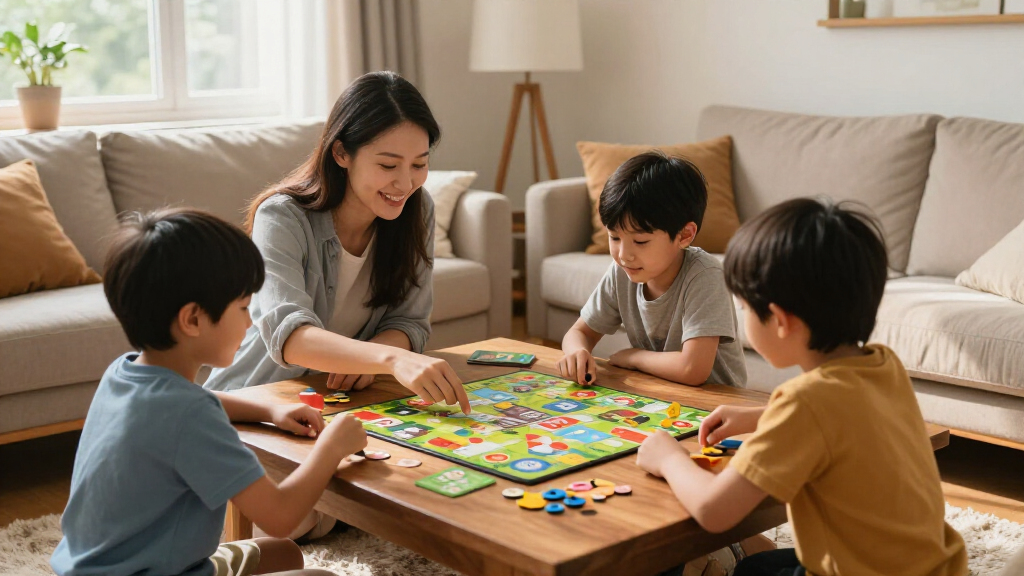
I evaluated each game against the criteria that actually decide whether a family board game gets played twice: age accessibility (can a 6-year-old and an adult both enjoy it without one being bored or crushed), play time (rounds under 30 minutes scored higher for weeknight appeal), player-count flexibility (games handling 4+ players ranked better for typical family nights), and replay value (whether the game stays interesting after the tenth round). I also weighed setup time, rule complexity, and how well each game handles uneven skill levels — a frequent pain point when siblings of different ages play together.
The ranking reflects a simple philosophy: the best family game is the one the whole table wants to replay. Games that combine fast rounds with genuine laughs (TAPPLE, Herd Mentality, Hedbanz) placed higher than longer, more strategic classics, even beloved ones like Scrabble and The Game of Life. Value mattered too — a $10 card game that gets played weekly beats a $30 box that gathers dust, which is why budget classics hold several top spots in this lineup.
Factors to Consider When Choosing Family-friendly Board Games
Choosing a family board game involves more than picking a recognizable box. These are the factors that most often decide whether a game becomes a tradition or sits unopened in a closet.Match the Game to Your Youngest Player
The most common mistake buyers make is purchasing for their oldest child’s skill level, which leaves the youngest player frustrated or excluded. A game rated ages 8+ like Scrabble or Hues and Cues will frustrate most six-year-olds, while a 5+ game like Trouble may bore a twelve-year-old after a few rounds. The sweet spot for genuinely mixed ages is luck-heavy games where a dice roll or card draw levels the field — this is why Sorry! and UNO endure across generations. If your age spread is wide, prioritize games where adults can lose believably. Also check the listed age against reading requirements: many games labeled 7+ actually require fluent reading, which pushes the practical age higher than the box suggests.
Count Your Players Before You Buy
Player count is the most overlooked spec on the box, and it kills more game nights than bad gameplay. A family of five cannot play Sorry! (4-player max), and couples with one child will struggle with Herd Mentality’s 4-player floor. Games with a wide range — UNO handles 2 to 10, Herd Mentality stretches past 20 — give flexibility for sleepovers, holidays, and visiting relatives. If you regularly host extended family, prioritize large-group party games over tight two-to-four-player classics. If your household is small, a party game may sit idle more than you expect. Buying two complementary games (one small-group, one party-scale) often serves families better than one expensive compromise.
Play Time and Weeknight Realism
Be honest about when game night actually happens. A 60-to-90-minute game like The Game of Life fits a weekend afternoon but rarely survives a school-night window between dinner and bedtime. Games with rounds under 20 minutes — TAPPLE, Hedbanz, UNO — can be played on impulse and repeated if everyone’s enjoying themselves. Longer games also carry a bigger abandonment risk: nothing sours a child on board games faster than a three-hour session they never finish. Check the listed play time on the box, then mentally add 25% for rule explanations and snack breaks. If your family is new to board games, starting short and building up to longer games builds the habit successfully.
Luck Versus Skill: Know Your Family’s Tolerance
Every game on this list sits somewhere on the luck-to-skill spectrum, and knowing your family’s preference prevents the most common disappointment. Pure-luck games (Trouble) mean anyone can win, which keeps kids engaged but can feel hollow to competitive adults. Skill-heavy games (Scrabble, Yahtzee) reward practice but guarantee a vocabulary or math gap between parents and children produces lopsided scores. The best family games blend both — a lucky draw that a smart decision converts, as in UNO. If sibling rivalry runs hot in your house, lean toward luck. If your kids crave mastery and improvement, skill games will hold their attention longer. There is no wrong answer, only a mismatch between the game and the table.
Cooperative Versus Competitive Dynamics
Not every family thrives on head-to-head competition, and most buyers don’t realize cooperative options exist within mainstream lines. Games like Do You Really Know Your Family? soften competition by mixing conversation with light scoring, making them good transitional picks for kids who melt down when losing. Competitive classics teach resilience and graceful losing, but they require a parent ready to manage tears in the early years. Consider alternating formats week to week so sore losers get practice without every night ending in conflict. The conversation-based games also serve a second purpose: they get tweens and teens talking when direct questions fail. If your game nights feel tense rather than fun, the format — not the specific game — is usually the culprit.
Price, Durability, and Component Quality
In this category, price correlates poorly with satisfaction — a $8 deck of UNO cards outlasts and out-entertains many $30 boxed sets. What matters more is component durability: cardboard boards with lots of tiny pieces (The Game of Life’s cars, pegs, and tiles) create cleanup friction and lose-ability, especially with younger kids. Card-based and electronic-button games (TAPPLE) survive rough handling far better. Watch for licensed editions that charge a premium for branding without changing gameplay. Before buying, imagine the game’s pieces scattered under your couch — if that thought is stressful, choose something with fewer or sturdier components. Replacement-part availability from major publishers like Hasbro and Mattel can also extend a game’s life by years.
Frequently Asked Questions
What is the best board game for a family with kids of very different ages?
For age spreads of four or more years, luck-driven games level the field better than any other type. TAPPLE works because fast word-association rounds keep adults engaged while remaining playable by early readers, and UNO lets a six-year-old legitimately beat a parent on any given hand. Skill-based games like Scrabble or Yahtzee tend to produce the same winner every time when ages are uneven, which drains motivation from younger players quickly. A good rule of thumb: if your youngest can’t win at least one in four games, the game is too skill-weighted for your table. Pairing one luck game with one conversation game gives mixed-age groups a full evening without anyone feeling left behind.
Are classic games like Sorry! and Trouble still worth buying in 2026?
Yes, and often they’re better purchases than newer, flashier games — but with known limitations. The classics earned their longevity through rules a five-year-old learns in two minutes, something many modern games still fail at. Their weaknesses are real: player-count caps of four, gameplay that can drag when players keep getting knocked back to start, and zero appeal to solo-oriented teens. At their typical price of under $15, the risk-to-reward ratio is hard to beat for families with kids under eight. If your children are older, skip the roll-and-move classics and go straight to party or word games. The right question isn’t whether classics are good, but whether your kids are still in the age window where luck-based racing games feel exciting rather than simplistic.
Which game should I buy for a large family or group gatherings?
Herd Mentality is the clear choice for groups of eight or more, since it scales to 20+ players and generates the loudest laughs of anything in this comparison. UNO is the runner-up, handling up to 10 players with a deck that costs less than a pizza topping. Most boxed board games quietly cap at four to six players, which turns a holiday gathering into a rotation of spectators — always check the box before buying for events. Party-style games also tolerate drop-in and drop-out players better than structured board games, so late arrivals don’t force a restart. For reunions and mixed-generation crowds, one big-group game beats three smaller games, because splitting into tables fragments the energy of the room.
How much should I expect to spend on a good family board game?
The sweet spot in this category is $10 to $25, and spending more rarely buys a better family experience. UNO delivers years of play for under $10, while mid-priced games like TAPPLE and Herd Mentality justify their cost through replay frequency. Premium pricing above $30 typically reflects licensed branding, elaborate components, or collector editions rather than improved gameplay. The better financial question is cost-per-play: a $12 game played weekly for a year costs pennies per session, while a $35 game played twice is expensive entertainment. Start with two or three inexpensive games across different formats, learn what your family actually reaches for, and only then invest in pricier titles that match their proven tastes.
What’s the best game for getting teens to actually participate in family night?
Skip anything that feels like a kids’ game and lean on social humor and conversation. Herd Mentality works because its comedy comes from comparing answers, which teens find genuinely funny rather than babyish. Do You Really Know Your Family? takes a different angle, using questions that let teens reveal things about themselves on their own terms — often unlocking conversations parents can’t get directly. Word and trivia games like TAPPLE or Scrabble also land well with teens who enjoy competition but resist silliness. The one format to avoid is slow luck-based racing games, which teens read as pointless. Whatever you choose, keep sessions short and let the teen control the music or snacks; autonomy matters more than game choice for this age group.
Conclusion
After comparing all 11 games, here’s how the decision shakes out by buyer type. For the best overall pick, TAPPLE wins on the combination of fast rounds, broad age appeal, and replay value — it’s the game most likely to be requested again. The best value is UNO, which costs less than lunch and handles two to ten players; Trouble is a close runner-up for families with very young kids. For beginners building a first game collection, Hedbanz offers the gentlest on-ramp with virtually no rules to learn. On the premium end, The Game of Life delivers the most elaborate experience — best for families ready to commit an hour to a single session. For specific needs: choose Herd Mentality for big gatherings, Do You Really Know Your Family? for bonding with teens, Scrabble or Yahtzee for skill-builders, and Hues and Cues for creative groups who want something off the beaten path. Whatever your table looks like, match the game to your youngest player and your realistic play-time window — those two factors predict satisfaction better than any price tag or brand name in this lineup.
NFL season / tailgating Picks
team gear
As an affiliate, we earn on qualifying purchases.