

TL;DR
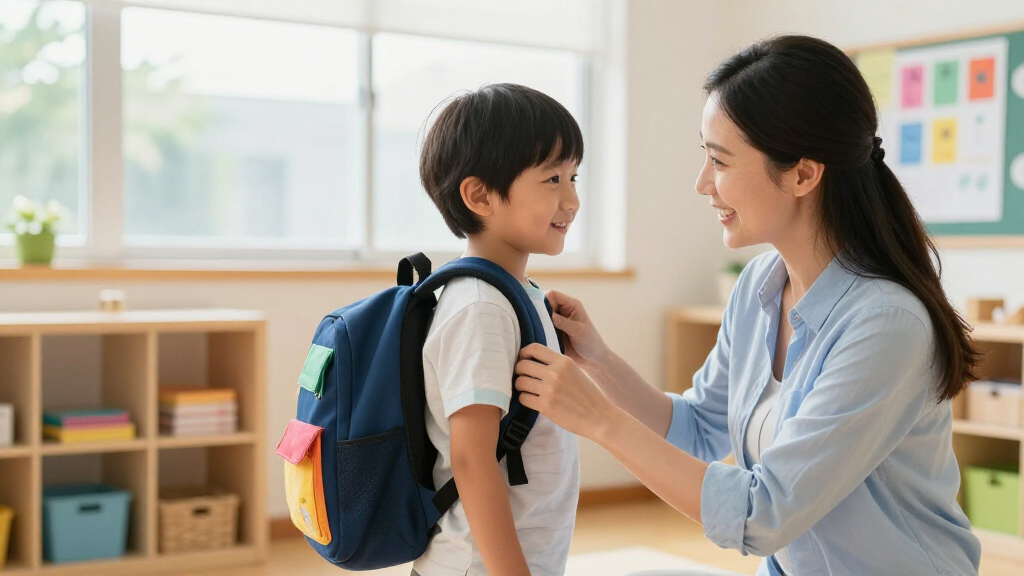
As students prepare to return to school, teachers are advising parents to focus on communication, routines, and emotional support. The guidance aims to ease the transition and support student success.
Teachers across various districts are offering practical advice to parents to help children transition smoothly back to school. This guidance emphasizes the importance of communication, establishing routines, and emotional support, aiming to reduce stress for students and improve academic outcomes.

Turn the school run and nap time into listening time
- Thousands of audiobooks, podcasts and originals
- Listen on your phone, tablet or Echo — also offline
- Cancel anytime
Many educators recommend that parents start by having open conversations with their children about expectations and concerns before the first day. Establishing consistent routines around bedtime, meals, and homework can help children feel more secure and prepared. You can also explore our ergonomic backpacks for kids guide for tips on choosing the right supplies. Teachers also suggest that parents listen actively to children’s feelings about returning to school, addressing anxieties early. For additional support, see our advice on building resilience in kids.
Furthermore, teachers advise parents to collaborate with teachers and school staff to stay informed about academic and social expectations. Learn more about how to support your child’s social-emotional health in our back-to-school advice. Ensuring children have necessary supplies and a dedicated study space can also foster a positive learning environment at home. Several educators highlighted that emotional support and reassurance are vital, especially for children who may feel anxious or overwhelmed.
Why Parental Support at Home Is Crucial for Student Success
This guidance matters because strong parental involvement and emotional support are linked to better academic performance and social adjustment. When parents actively engage and communicate, children are more likely to feel confident and motivated. Reducing anxiety during the transition can also prevent behavioral issues and absenteeism, making this period critical for setting the tone for the entire school year.
Products Worth Considering

Levoit Core 600S-P Smart Air Purifier for Large Rooms up to 2933 ft²

Withings Sleep Under-Mattress Sleep Tracking Pad

Philips Sonicare 7300 Rechargeable Electric Toothbrush with 3 Brush Heads, Black
As an affiliate, we earn on qualifying purchases.
Back-to-School Transition Challenges and Teacher Recommendations
With many students returning to in-person learning after disruptions caused by the COVID-19 pandemic, educators are emphasizing the need for supportive home environments. Previous years saw increased anxiety and behavioral challenges among students, prompting teachers to advocate for proactive parental involvement. This advice builds on recent studies showing that family engagement significantly impacts student well-being and academic success.
“Starting the conversation early and maintaining a routine helps children feel more in control and less anxious about returning to school.”
— Ms. Laura Jenkins, elementary school teacher
Unresolved Questions About Back-to-School Support Strategies
While teachers agree on the importance of parental involvement, it is still unclear how different approaches may vary in effectiveness across age groups and individual needs. Specific strategies for children with special educational needs or mental health challenges are also still being developed, with ongoing research needed to tailor advice further.
Next Steps for Parents and Schools Before the First Day
Parents are encouraged to initiate conversations with their children and coordinate with teachers in the weeks leading up to the start of school. Schools are expected to provide resources and communication channels to support families. Monitoring children’s adjustment during the first weeks will be crucial, with ongoing collaboration between parents and educators to address emerging needs.
Key Questions
What are the most important things parents should do before school starts?
Parents should have open discussions with their children about expectations, establish consistent routines, ensure necessary supplies are ready, and maintain emotional support to ease anxiety.
How can parents support children with anxiety about returning to school?
Listening actively, reassuring children, and collaborating with teachers to understand their needs are key strategies. Creating a predictable routine also helps reduce stress.
What role do teachers recommend parents play during the first few weeks?
Teachers advise maintaining open communication, monitoring children’s emotional well-being, and working together to address any issues that arise early in the school year.
Are there specific tips for children with special needs?
While general advice applies, parents of children with special needs should coordinate closely with school specialists and consider tailored strategies to support their child’s unique requirements.
When should parents reach out to teachers or school counselors?
Parents should contact educators whenever concerns about their child’s adjustment, emotional health, or academic progress arise, especially during the initial weeks of school.
Source: rss