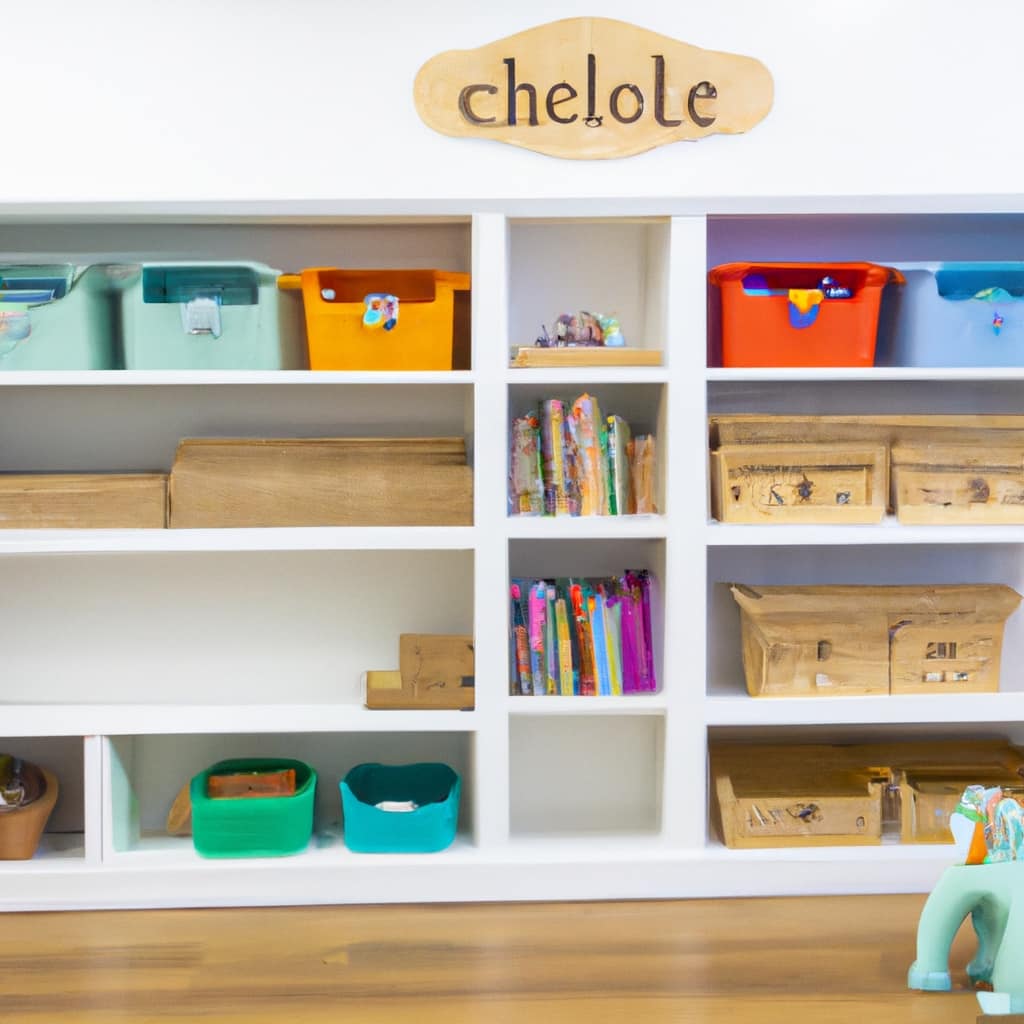
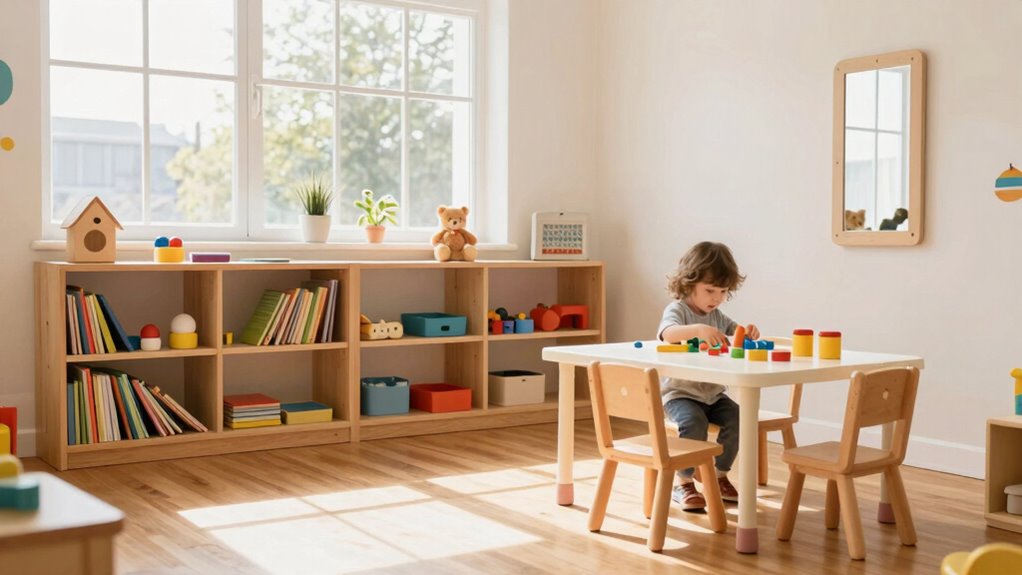

A prepared environment supports your child’s independence by engaging their senses with diverse stimuli and organizing materials for easy access. It encourages them to try tasks like pouring or buttoning without needing constant help, building confidence. Clear spaces and designated areas teach self-discipline and decision-making. A safe, nurturing space allows children to explore, fail, and succeed at their own pace. Keep exploring to discover more about creating spaces that foster independence and growth.

Turn the school run and nap time into listening time
- Thousands of audiobooks, podcasts and originals
- Listen on your phone, tablet or Echo — also offline
- Cancel anytime
Key Takeaways
- Well-organized spaces with accessible materials empower children to choose activities and work independently.
- Sensory-rich environments help children process information confidently, fostering self-reliance.
- Clear storage and designated areas teach order, decision-making, and responsibility.
- Safe, supportive spaces encourage children to try, fail, and persist without fear.
- Practical life activities build skills that promote autonomy and confidence in everyday tasks.
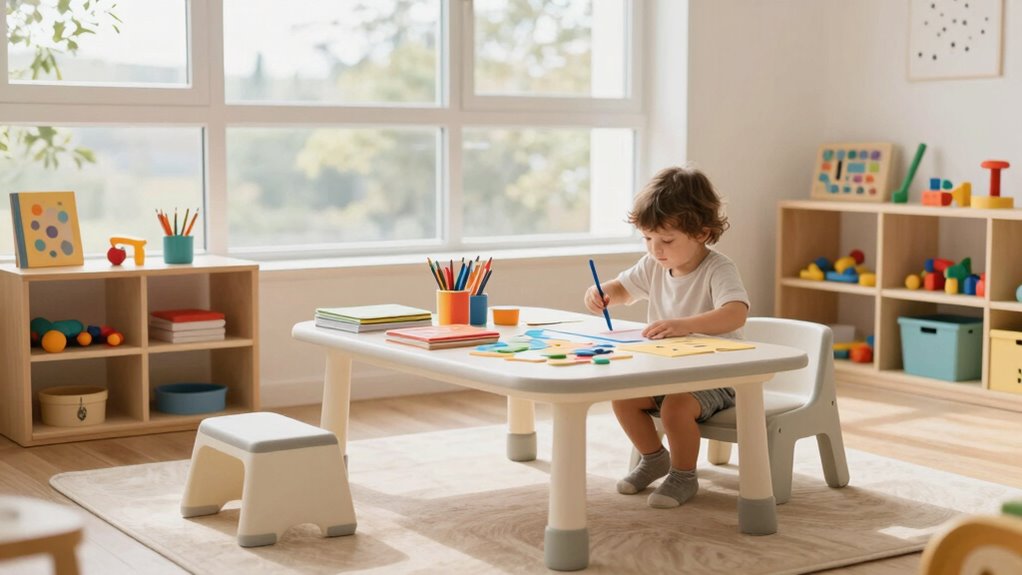
Have you ever wondered how a well-designed environment can foster a child’s independence? The truth is, a thoughtfully prepared space encourages children to explore, make choices, and develop essential life skills. One of the key ways this happens is through sensory integration, which involves creating an environment that engages all five senses in a balanced way. When children have access to materials and activities that stimulate their senses—like textured fabrics, colorful objects, or calming sounds—they learn to process information more effectively. This sensory input helps them build confidence as they navigate their surroundings, gradually gaining control over their actions and reactions. As they become more comfortable with different textures, sights, and sounds, they develop a sense of self-reliance that extends into other areas of their lives. Creating a sensory-rich environment is fundamental in supporting this developmental process. Additionally, a well-structured environment promotes practical life skills, which are fundamental to independence. Practical life activities—such as pouring, buttoning, sweeping, or tidying up—are designed to help children master everyday tasks. When these activities are readily accessible and appropriately scaled for a child’s size, they encourage children to try things on their own. As they practice these skills, they gain not just competence but also a sense of responsibility and accomplishment. The environment acts as a supportive backdrop, offering opportunities for children to take initiative and develop habits that foster independence. For example, a low shelf with neatly arranged utensils or cleaning tools invites a child to independently set the table or tidy up after play. Furthermore, the layout and organization of the environment matter tremendously. When everything has a designated place, children learn to put things back where they belong, reinforcing order and self-discipline. Clear, accessible storage encourages self-directed learning and reduces dependence on adults to manage their needs. It also makes it easier for children to make decisions about what they want to do, fostering autonomy. Creating an organized environment not only supports independence but also helps children develop important executive functioning skills. The environment becomes a safe space where children feel empowered to try, fail, and try again—all essential steps toward independence. By thoughtfully designing an environment that supports sensory integration and practical life, you’re laying the foundation for children to grow into confident, capable individuals who can navigate the world with independence and resilience.
Products Worth Considering

Oura Ring 4 Smart Ring – Silver – Size 8

Oral-B iO Series 9 Limited Rechargeable Electric Toothbrush with 7 Cleaning Modes

Oura Ring 5 Smart Ring – Stealth, Size 11
As an affiliate, we earn on qualifying purchases.
Frequently Asked Questions
How Do You Tailor a Prepared Environment for Different Age Groups?
You tailor a prepared environment for different age groups by incorporating age-specific modifications and considering developmental needs. For infants, you provide safe, accessible sensory toys and low storage. For preschoolers, include child-sized furniture and activities promoting exploration. For older children, offer more complex tools and opportunities for independence. You adapt the environment based on developmental considerations, ensuring each age group can safely explore, learn, and develop autonomy at their own pace.
What Materials Best Promote Independence in a Prepared Setting?
They say, “Give a man a fish, and you feed him for a day.” To promote independence, choose materials that are accessible and easy to handle, encouraging self-directed exploration. Use engagement strategies like hands-on activities and clearly organized storage to foster autonomy. When materials are within reach and inviting, children naturally develop confidence and skills, making independence a real possibility in your prepared environment.
How Often Should a Prepared Environment Be Updated or Changed?
You should update your prepared environment based on regular environment assessments, ideally every few months or as needed. The change frequency depends on the child’s development and changing needs, so stay attentive. By conducting ongoing assessments, you identify areas where the environment can better support independence. Adjustments might include adding new materials or reorganizing spaces, ensuring the environment remains stimulating, accessible, and tailored to foster growth and autonomy.
Can a Prepared Environment Benefit Children With Special Needs?
Absolutely, a prepared environment can substantially benefit children with special needs. You create spaces that enhance sensory integration, helping children process stimuli calmly. By tailoring activities and materials, you also support behavior management, reducing frustration and promoting positive interactions. As you adapt the environment, you open potential and independence. The right setup sparks curiosity and confidence, making every moment a step toward greater self-reliance.
What Role Do Caregivers Play in Maintaining the Prepared Environment?
You play a vital role in maintaining the prepared environment by actively involving yourself and guaranteeing environmental consistency. Your caregiver involvement guarantees that the space remains safe, organized, and tailored to individual needs. By consistently managing the environment, you foster stability and predictability, helping the child develop independence. Your attentiveness and ongoing adjustments create a supportive setting where children feel secure to explore, learn, and grow confidently.
Conclusion
Just as a well-tended garden nurtures blooming flowers, a thoughtfully prepared environment fosters your independence. By creating spaces that invite exploration and support growth, you become the gardener of your own development. Remember, like Alice stepping through the looking glass, you have the power to shape your surroundings and, in turn, shape yourself. Embrace these environments, and watch your confidence blossom as naturally as spring’s first blooms.