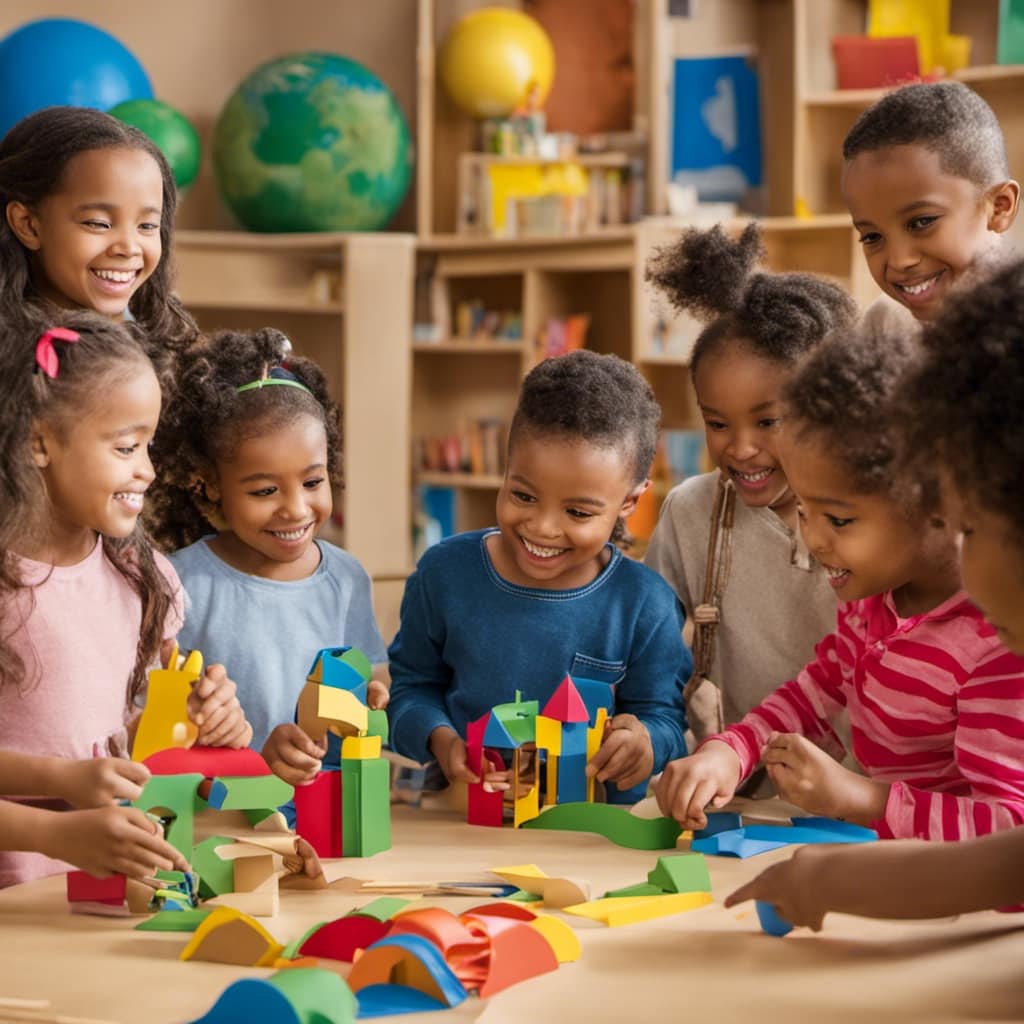
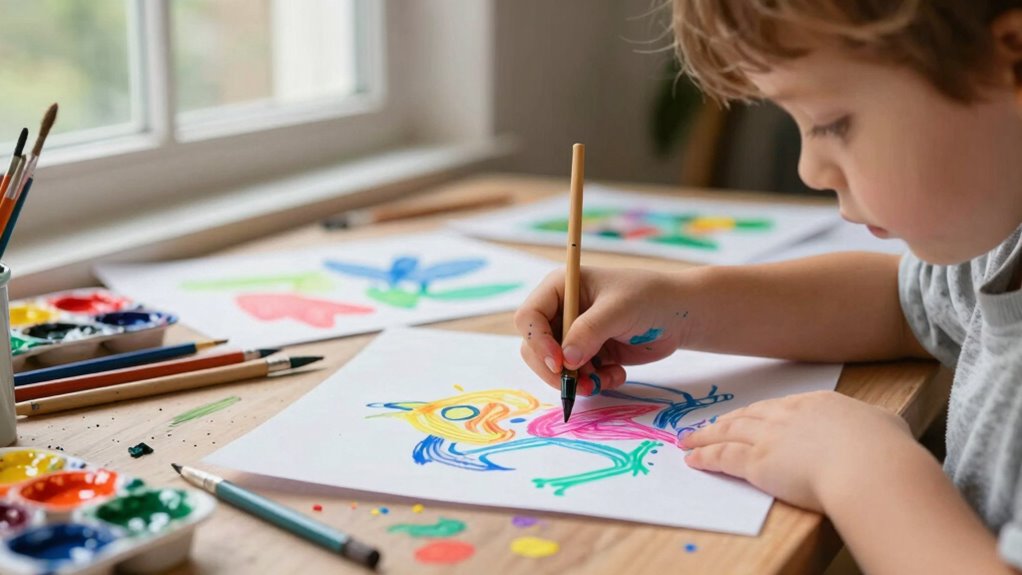
Focusing on the process in early learning helps you create a playful, engaging environment where children develop essential skills like curiosity, resilience, and problem-solving. When you prioritize how children explore and learn, they become confident and enthusiastic to discover, rather than just aiming for perfect results. This approach encourages perseverance and fosters a love of learning that lasts a lifetime. Keep exploring how supporting the process makes a difference in children’s growth and future success.

Turn the school run and nap time into listening time
- Thousands of audiobooks, podcasts and originals
- Listen on your phone, tablet or Echo — also offline
- Cancel anytime
Key Takeaways
- Focusing on the process encourages active engagement and curiosity, leading to deeper understanding and skill development.
- Emphasizing the journey fosters resilience, patience, and a growth mindset through learning from mistakes.
- Prioritizing effort over final products creates a safe environment that promotes risk-taking and exploration.
- Process-oriented learning builds foundational skills that support future learning and problem-solving abilities.
- Valuing the process nurtures a love for learning and motivates children to explore the world around them.
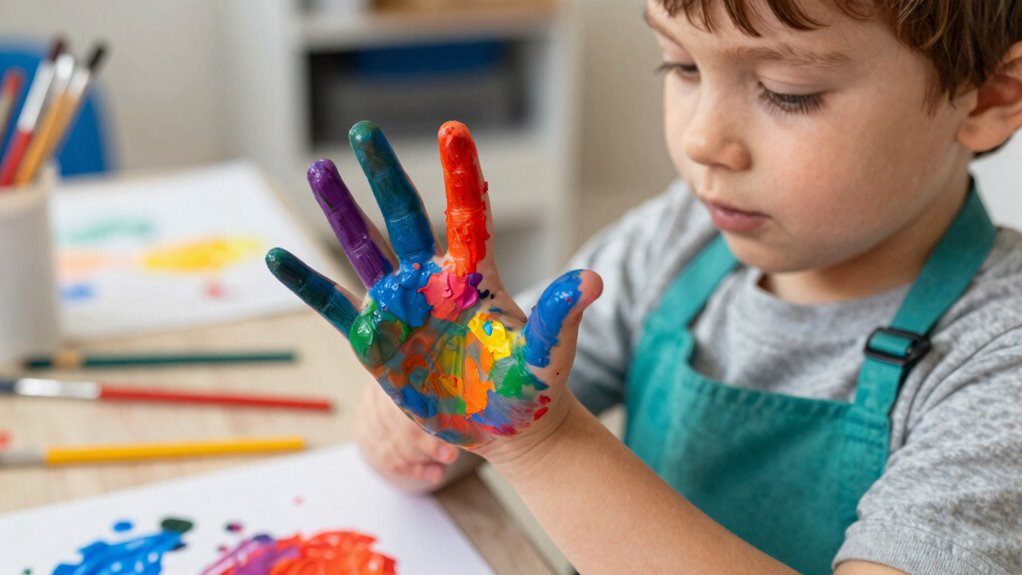
Have you ever wondered why focusing on the process matters just as much as the final result in early learning? It’s because early childhood is a time for playful exploration, where children learn best when they’re engaged, curious, and actively involved. Instead of fixating solely on what children produce—like perfect handwriting or finished projects—you should prioritize how they arrive at those outcomes. This approach helps build foundational skills that serve as the groundwork for future learning. When children are encouraged to explore, experiment, and make mistakes, they develop a deeper understanding of concepts, rather than just memorizing facts or copying answers.
Playful exploration is at the heart of early learning because it transforms learning into an enjoyable experience. When kids get to explore materials, ask questions, and try different strategies, they develop critical thinking and problem-solving skills naturally. These experiences aren’t just about completing tasks; they’re about discovering how things work and gaining confidence in their abilities. As you observe children during play, you’ll notice how they learn to coordinate movements, recognize patterns, and develop language skills—all through engaging activities that emphasize the learning process over the product.
Focusing on the process also helps children develop resilience and patience. When they’re allowed to make mistakes and learn from them, they understand that failure is part of growth. This mindset encourages perseverance, a trait that’s essential for tackling more complex challenges later in life. Instead of rushing to finish a project, you can guide children to reflect on what they learned and what they might do differently next time. This reflection deepens their understanding and fosters a sense of ownership over their learning journey.
Furthermore, emphasizing the process ensures that learning remains meaningful and personalized. Every child progresses at their own pace, and when you value their efforts over the final product, you respect their individual development. It also creates a positive environment where children feel safe to take risks, ask questions, and express their ideas without fear of judgment. This sense of safety and encouragement builds a strong foundation for lifelong learning and curiosity.
In essence, the focus on process over product isn’t about neglecting achievement; it’s about nurturing a love for learning through playful exploration and skill-building. By valuing how children learn—through ongoing discovery and engagement—you set the stage for confident, capable learners who are enthusiastic to explore the world around them. Recognizing the importance of play-based learning helps us understand how children develop essential skills in a natural and enjoyable way.
Montessori learning materials for preschool
As an affiliate, we earn on qualifying purchases.
As an affiliate, we earn on qualifying purchases.
Frequently Asked Questions
How Can Parents Support Process-Oriented Learning at Home?
You can support process-oriented learning at home by encouraging your child’s creative exploration and emotional growth. Provide open-ended materials like art supplies or building blocks, and let them experiment freely. Celebrate their efforts rather than the final product, fostering confidence and curiosity. Engage in conversations about their experiences, helping them understand their feelings. This approach nurtures a love for learning, resilience, and emotional intelligence, laying a strong foundation for future growth.
What Are Common Misconceptions About Process-Based Early Learning?
Many believe that early learning should focus solely on finished products, but that’s a misconception. Studies show a 60% increase in creativity when children embrace process-based activities. This mindset shift emphasizes evaluation methods that celebrate effort and exploration, not just outcomes. You might think that success equals the final product, but true growth happens during the learning journey. Focusing on process fosters resilience, curiosity, and long-term skills essential for your child’s development.
How Does Process Focus Influence Long-Term Child Development?
Focusing on the process greatly benefits your child’s long-term development by fostering curiosity, resilience, and critical thinking. This learning approach encourages exploration and problem-solving, helping children develop essential skills like self-regulation and adaptability. By emphasizing how they learn rather than just what they produce, you support their overall growth, leading to confident, independent learners who are better prepared for future academic and life challenges.
Are There Specific Activities That Emphasize Process Over Product?
Yes, activities like open-ended art projects and storytelling emphasize process over product. When you encourage creativity exploration, children experiment freely without focusing on a perfect outcome. Problem solving approaches, such as building with blocks or puzzles, foster critical thinking and resilience. These activities allow kids to explore ideas, make decisions, and learn from mistakes, emphasizing the journey of learning rather than just the final result.
How Do Teachers Assess Progress in Process-Based Learning?
You can assess progress in process-based learning through observation and ongoing assessment strategies. Document children’s actions, conversations, and choices to track their development over time. Use progress documentation like learning stories, portfolios, and checklists to capture their evolving skills and thinking. Regularly reflect on these assessments to understand each child’s growth, adjusting activities as needed to nurture their curiosity and problem-solving abilities effectively.
Conclusion
You might think a shiny toy or perfect worksheet is what matters most, but it’s the process—the journey of discovery—that truly shapes your child’s love for learning. Imagine planting a seed; it’s not just the flower that matters, but the nurturing, watering, and patience you give. When you focus on the process, you’re cultivating curiosity and resilience—building a foundation that lasts far beyond any single product. That’s where real growth begins.
Fall Picks
fall essentials
As an affiliate, we earn on qualifying purchases.