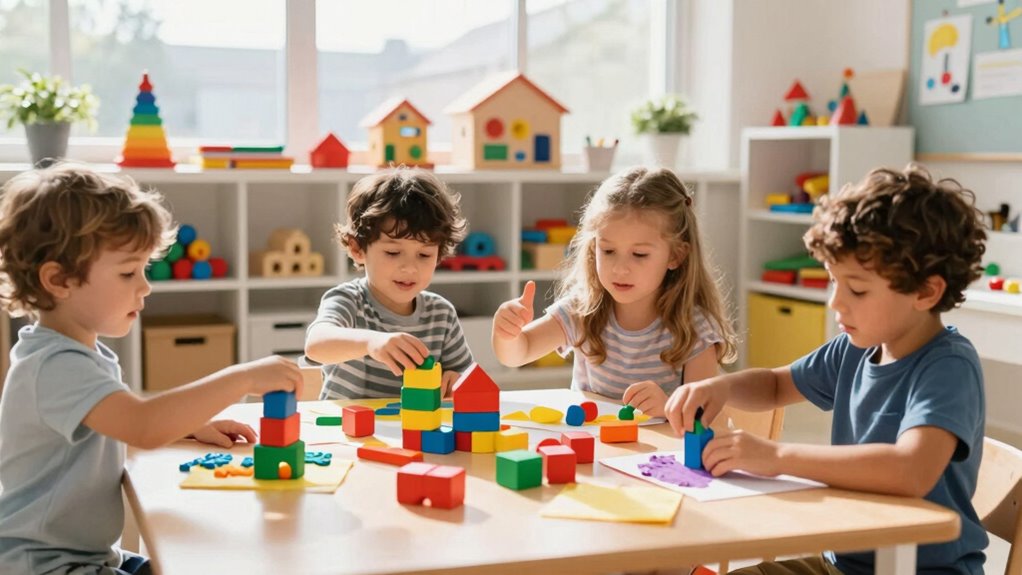

Hands-on play helps children learn better by actively engaging their senses and encouraging exploration. When you let them manipulate objects and explore different textures, sounds, and smells, their neural connections grow stronger, making learning more meaningful and memorable. This type of play also develops fine motor skills, improves coordination, and boosts confidence. By creating sensory-rich environments, you support their overall growth. Keep going to find out how you can make play even more effective.

Get baby and family essentials delivered free — and shop member deals
- Fast, free delivery on millions of items
- Access to Prime Big Deal Days deals on October 6–7
- Prime Video, Amazon Music and more included
Key Takeaways
- Hands-on play engages multiple senses, creating stronger neural connections for better understanding and retention.
- Manipulating objects during play improves fine motor skills essential for academic and daily tasks.
- Active exploration during hands-on play promotes neural development and enhances overall cognitive growth.
- Sensory-rich play environments foster curiosity, encouraging deeper learning and problem-solving abilities.
- Engaging in tactile activities builds confidence and prepares children for more complex learning challenges.
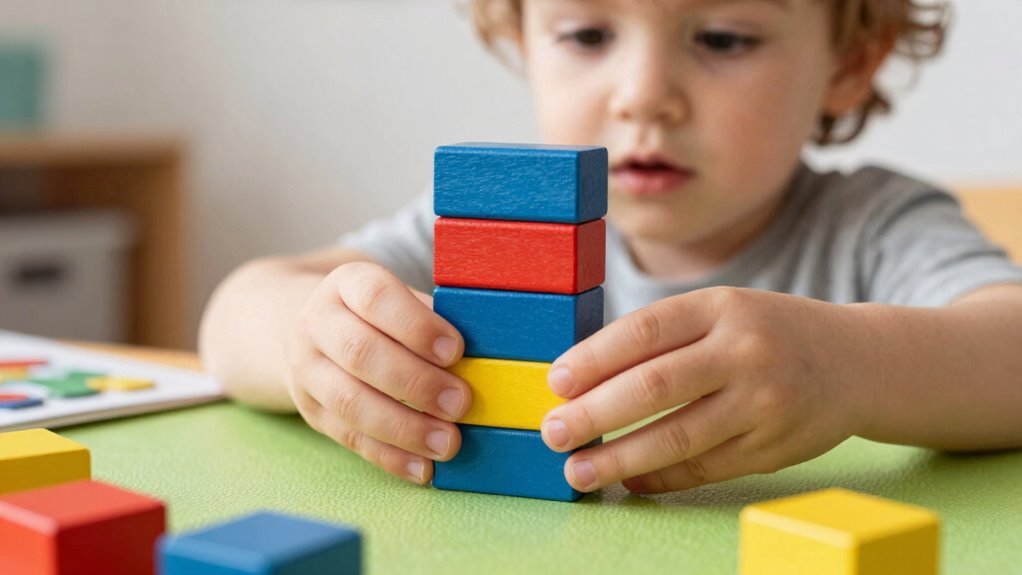
Hands-on play is a powerful tool for boosting learning because it engages children’s senses and encourages active exploration. When you allow children to manipulate objects, they develop their sensory skills, which are fundamental for understanding the world around them. Sensory development isn’t just about feeling textures; it involves integrating sights, sounds, smells, and tastes to build an extensive understanding. As kids touch, taste, and see different materials, their brains form connections that lay the groundwork for more complex thinking and problem-solving skills later on. This active engagement helps children process information more deeply than passive activities, making learning both meaningful and memorable.
Hands-on play enhances learning by engaging senses and fostering active exploration and deeper understanding.
In addition to sensory development, hands-on play greatly enhances fine motor skills. When children grasp, pin, pour, or manipulate small objects, they strengthen the muscles in their hands and fingers. These movements are essential for tasks like writing, buttoning clothes, or tying shoelaces. By practicing these movements during play, kids refine their hand-eye coordination and dexterity, which are essential for academic success and everyday independence. You might notice how, over time, children become more precise and controlled in their movements, demonstrating increased fine motor control. This progression isn’t just about physical ability; it also boosts their confidence in tackling more complex tasks and challenges. Additionally, engaging in sensory activities helps children develop their sensory skills, which are crucial for overall learning and development. Furthermore, incorporating a variety of textures and materials during play fosters brain development, supporting neural connections that are vital during early childhood. Recognizing how multisensory experiences contribute to overall growth can motivate caregivers to provide richer, more diverse play environments. Moreover, sensory-rich environments encourage curiosity and exploration, which are key drivers of lifelong learning. Creating such environments allows children to naturally expand their learning capacity through engaging and meaningful play.
As an affiliate, we earn on qualifying purchases.
Frequently Asked Questions
How Does Hands-On Play Influence Brain Development in Children?
Hands-on play boosts your child’s brain development by engaging their sensorimotor development and enhancing neural plasticity. When they manipulate objects and explore their environment, their brain forms new connections, strengthening neural pathways. This active engagement helps children process information better, develop problem-solving skills, and improve coordination. By encouraging hands-on activities, you’re supporting their cognitive growth and laying a strong foundation for future learning and development.
What Types of Hands-On Activities Are Most Effective for Different Age Groups?
Imagine your child’s mind as a garden, flourishing with each hands-on activity. For toddlers, sensory exploration—feeling textures and smelling aromas—nurtures curiosity. Preschoolers thrive on creative crafts, weaving imagination into their projects. As children grow, activities like building blocks or science experiments become more effective, sharpening problem-solving skills. Tailoring activities to age guarantees each stage of development blooms fully, turning play into a vibrant, learning-rich landscape.
How Can Parents Incorporate More Hands-On Play Into Daily Routines?
You can incorporate more hands-on play into daily routines by providing creative toys that spark imagination and encouraging outdoor exploration. Set aside time for your child to play freely, whether in the backyard or at the park. Use everyday objects for art projects or building activities. These activities make learning fun and engaging, helping your child develop critical skills while enjoying the process.
Are There Any Risks Associated With Hands-On Learning Activities?
Yes, there are risks with hands-on learning activities, but you can manage them effectively. By implementing safety precautions and risk management strategies, you guarantee your child’s safety while fostering exploration. Always supervise closely, choose age-appropriate materials, and create a safe environment. Keeping these measures in place allows your child to enjoy the benefits of hands-on play without unnecessary dangers, opening up valuable learning experiences with peace of mind.
How Does Hands-On Play Support Social Skills and Teamwork?
Hands-on play boosts your social skills and teamwork by encouraging cooperative play, where you learn to share, take turns, and work together. It also helps you develop conflict resolution skills, as you navigate disagreements and find solutions. Through these activities, you build trust, communication, and empathy, making it easier to collaborate with others. This active engagement strengthens your relationships and prepares you for real-world social interactions.
Conclusion
So, next time you watch a child explore with their hands, remember that this simple act fuels their brain more than any worksheet ever could. While screens and textbooks have their place, hands-on play creates a rich, sensory experience that sparks curiosity and understanding. It’s the difference between watching a child learn passively and actively discovering the world. Embrace the mess and watch your child’s learning flourish—sometimes, the best lessons come from just getting hands-on.
Cold & flu season Picks
humidifiers
As an affiliate, we earn on qualifying purchases.