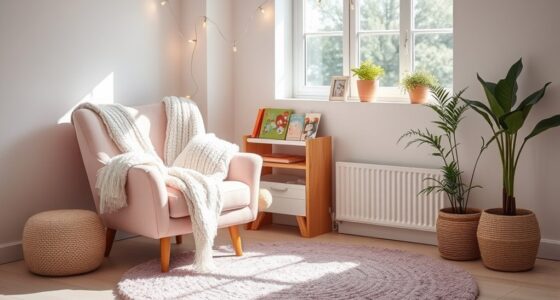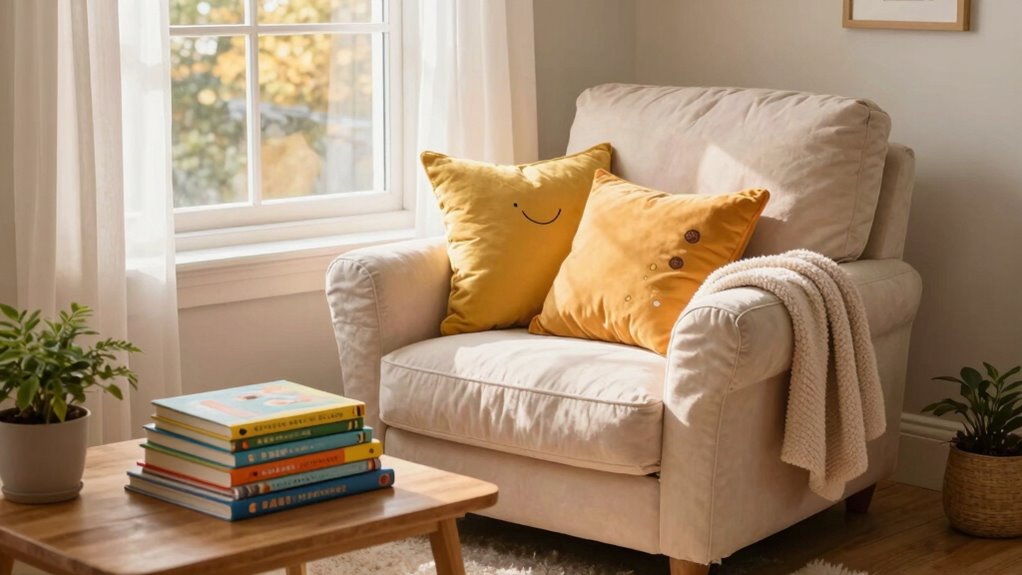

Even active kids need a calm space to unwind and refocus. A cozy nook offers a peaceful retreat where they can recharge, develop emotional resilience, and improve concentration. It helps shift from high-energy play to relaxation and supports self-regulation. Sensory-friendly elements keep them engaged without overwhelming them. Creating such a space encourages a lifelong love of books and provides a balance that’s essential for their well-being. Keep reading to discover more ways to make this space perfect.
Prime for Young Adults — start your free trial
Fast free delivery, streaming and member deals for eligible 18–24 year olds.
As an affiliate, we earn on qualifying purchases.
Key Takeaways
- Provide a calming retreat that helps active kids unwind and develop emotional regulation skills.
- Support focus and concentration, encouraging a healthy balance between activity and rest.
- Offer sensory stimulation that keeps engagement calm and soothing.
- Foster a love for reading and quiet reflection, promoting cognitive growth.
- Help transition from high-energy play to relaxation, enhancing overall emotional resilience.
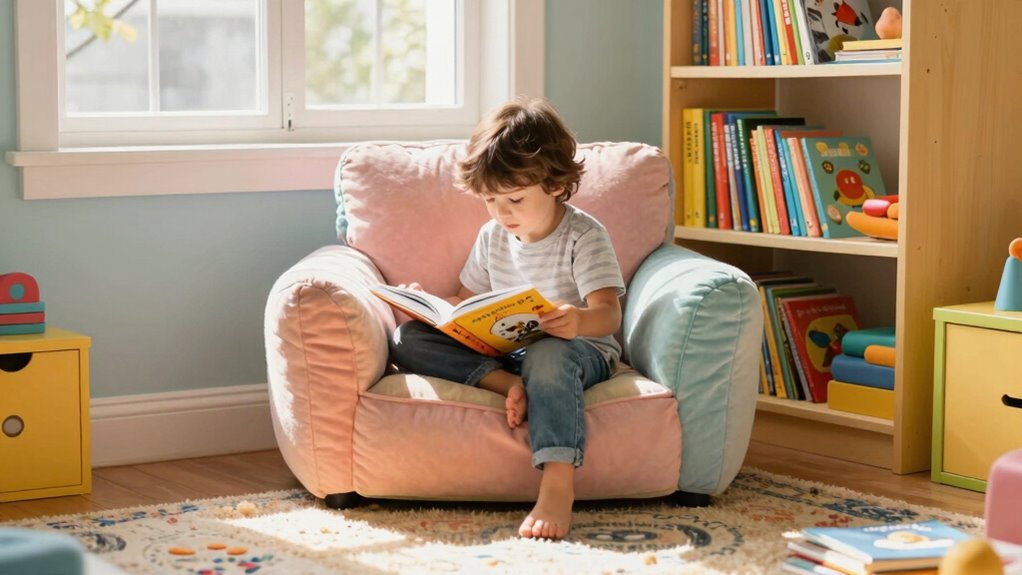
Even active kids need a quiet space where they can unwind and focus, and reading nooks provide just that. These cozy corners give children a dedicated spot to retreat, away from the chaos of everyday life. For active kids especially, having a quiet environment helps them recharge and develop a sense of calm. When they step into their reading nook, they can gradually shift from high-energy play to a more relaxed state, fostering concentration and emotional balance. The tranquility of a well-designed nook creates an inviting atmosphere that encourages kids to settle down and engage with books, fostering a lifelong love of reading.
Active kids need quiet reading nooks to unwind, relax, and foster a lifelong love of reading.
Creating a reading nook isn’t just about adding cushions or a small shelf; it’s about crafting a space that offers the right balance of comfort and sensory stimulation. Quiet environments are essential because they minimize distractions, allowing kids to immerse themselves in stories and ideas without feeling overwhelmed. The gentle silence or soft background sounds in a reading nook help active children focus and calm their restless minds. At the same time, sensory stimulation can be integrated thoughtfully—think textured cushions, colorful décor, or soft lighting—that keeps their interest without overstimulating. These tactile and visual elements engage their senses in a soothing way, making the space more inviting and encouraging prolonged engagement with books. Incorporating biodiversity elements like natural textures or nature-inspired décor can also enhance the calming atmosphere and support their sensory needs.
For active children, a reading nook isn’t just a place to read; it’s a tool for emotional and cognitive regulation. The quiet environment helps them decompress after energetic activities, reducing stress and anxiety. When they learn to associate this space with calmness, they develop better self-regulation skills. Incorporating sensory elements can also serve as subtle sensory input, helping them manage sensory overload or sensory-seeking behaviors. This tailored environment supports their unique needs, giving them a safe haven where they can relax and refocus. Additionally, understanding the importance of sensory stimulation can help caregivers craft spaces that are both engaging and calming. Recognizing the significance of sensory regulation can further empower parents and educators to create environments that nurture emotional resilience.
In the end, a reading nook isn’t just a luxury—it’s a necessity for active kids who need a balanced environment. It offers a peaceful retreat where they can enjoy quiet moments, foster concentration, and develop emotional resilience. By thoughtfully designing a space that combines quiet environments with sensory stimulation, you give your child a powerful tool to navigate their energetic days, nurture their curiosity, and grow into a more centered, focused individual.
As an affiliate, we earn on qualifying purchases.
Frequently Asked Questions
How Can I Create a Reading Nook in a Small Space?
You can create a cozy reading nook in a small space by choosing a corner or underutilized area. Add plush cushions for comfort and incorporate cozy lighting like fairy lights or a small lamp to create a warm atmosphere. Use a compact bookshelf or wall-mounted shelves to maximize space for books. Keep the area clutter-free, and add personal touches like throw blankets or decorative pillows to make it inviting.
What Safety Features Should a Reading Nook Include for Active Kids?
You should prioritize furniture safety by choosing sturdy, non-tip furniture and anchoring heavy pieces to the wall. Soft furnishings like cushions and rugs add comfort but make sure they’re flame-retardant and securely placed to avoid tripping hazards. While active kids might be lively, these safety features help prevent accidents, creating a secure space where your child can enjoy reading without worry. Safety always comes first in a fun, active environment.
How Do Reading Nooks Benefit Children’s Social Development?
Reading nooks boost children’s social skills by providing a cozy space for shared reading and conversations, encouraging interaction and empathy. They also support emotional growth by offering a safe environment for kids to explore feelings through stories. When you create a welcoming nook, you help your child develop better communication and self-awareness, fostering stronger relationships and emotional resilience. This quiet corner becomes an essential part of their social and emotional development.
Can a Reading Nook Encourage Even Reluctant Readers?
Yes, a reading nook can encourage reluctant readers by using motivational strategies like cozy decor and sensory stimulation such as soft lighting or textured pillows. When you create an inviting space, it makes reading feel special rather than a chore. This comfort helps kids feel more at ease, boosting their confidence and curiosity. Over time, your child may develop a love for reading, making the nook a favorite retreat.
What Are Some Budget-Friendly Ideas for Designing a Reading Nook?
Looking for budget-friendly ideas to craft a cozy retreat? Start with a simple reading corner by repurposing unused space—think a small nook with comfy cushions or a bean bag. Use inexpensive items like string lights for ambiance, add a few bookshelves or crates for storage, and layer soft blankets to create a warm, inviting atmosphere. With a little creativity, you’ll have an inspiring, budget-friendly reading nook that feels like a secret haven.
Conclusion
Creating a cozy reading nook transforms your active kid into a little book-loving superhero, capable of conquering worlds with just a few pages. It’s more than a corner—it’s a magic portal to endless adventures, quiet moments, and boundless imagination. When your child has a special spot to unwind, they’ll be unstoppable in their adventures, both inside and outside. So, set up that nook—it might just be the most powerful thing you do for their future!
NFL season / tailgating Picks
team gear
As an affiliate, we earn on qualifying purchases.