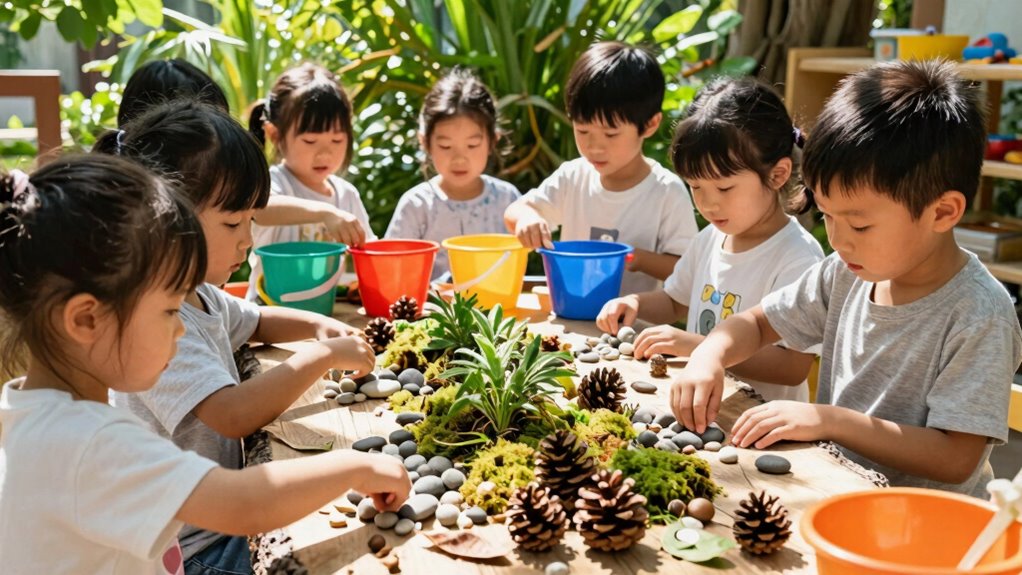
You can create simple nature-based sensory play for preschoolers by encouraging them to explore natural elements like soil, leaves, and water. Set up small garden pots or patches for planting herbs or flowers, allowing kids to touch, smell, and observe different textures. Use natural objects like pinecones or shells to stimulate senses and spark curiosity. These activities promote active outdoor fun and help children connect with nature, offering gentle surprises and calming moments—keep exploring to discover more ideas.
Key Takeaways
- Use small outdoor spaces or containers to create simple sensory gardens with textured natural objects.
- Incorporate activities like feeling different plant leaves, soil, and water for tactile exploration.
- Introduce natural elements such as pinecones, shells, and stones for varied sensory experiences.
- Engage children in planting easy-to-manage herbs or flowers to combine gardening with sensory play.
- Encourage outdoor discovery with listening to sounds, smelling flowers, and observing natural surroundings.
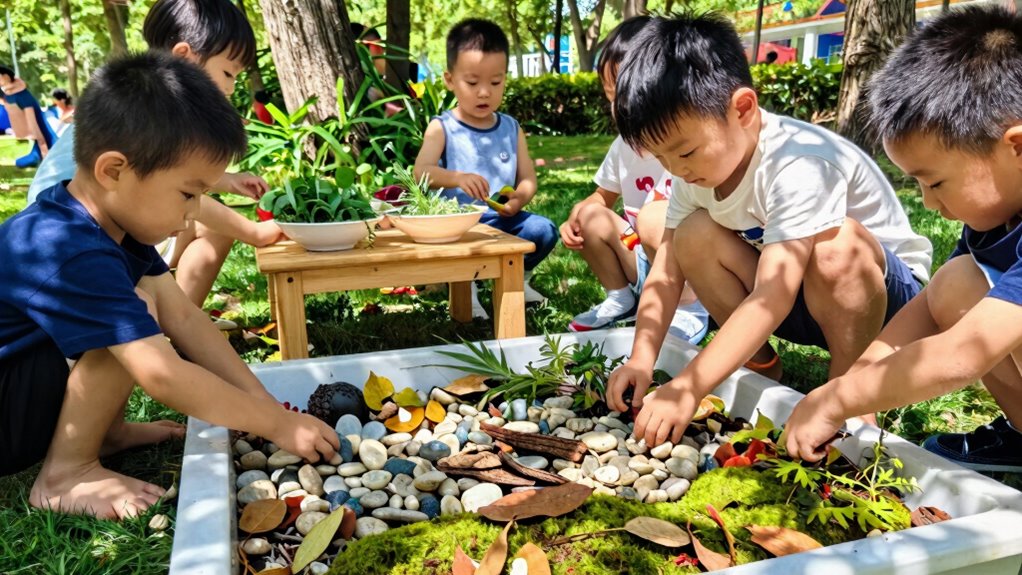
Have you ever wondered why sensory play is so essential for preschoolers? It’s because it helps develop their brains, improves fine motor skills, and encourages curiosity about the world around them. One of the simplest and most engaging ways to introduce sensory play is through nature exploration. When you take your preschooler outside to explore natural elements, you create opportunities for them to use their senses in meaningful ways. Touching leaves, feeling the texture of tree bark, listening to birds, or smelling flowers stimulates their senses and supports their overall development.
Sensory play with nature boosts brain development, fine motor skills, and curiosity in preschoolers.
Tactile gardening is an excellent activity that combines nature exploration with hands-on learning. You can start by helping your child plant easy-to-handle things like sunflowers, herbs, or colorful flowers in a small garden bed or containers. As they dig, plant, water, and observe, they engage in tactile gardening—an activity that enhances their sense of touch while teaching patience and responsibility. The roughness of soil, the softness of leaves, and the coolness of water become sensory experiences that keep your child curious and engaged. Plus, tactile gardening offers a calming effect, helping to focus their attention and reduce stress.
You don’t need a large yard to enjoy these activities. Even a small patch of earth, a window box, or a few pots on a balcony can turn into a sensory garden. Use different textures like smooth stones, rough bark, soft moss, or crunchy leaves to diversify their sensory input. Encourage your child to feel, compare, and describe each texture. Along the way, introduce natural objects like pinecones, shells, or acorns for added variety. As they explore, ask open-ended questions to prompt their thinking, such as “How does this feel?” or “What does this remind you of?” This interaction fosters language development and critical thinking.
Incorporating nature exploration and tactile gardening into your preschooler’s routine is simple and rewarding. These activities promote sensory development while connecting your child to the natural environment. They learn to observe, feel, and appreciate the world around them, all while having fun. Plus, spending time outdoors reduces screen time and encourages active play. With just a few minutes each day, you can turn ordinary outdoor moments into rich sensory experiences that support your preschooler’s growth and curiosity. So, grab some dirt, plants, and natural objects, and watch your child’s senses come alive through nature-based play.

Creativity for Kids Sensory Minis Construction Kit | Cloud Clay Sensory Toy with Excavator for Kids | Summer Activities for Kids that are Mess-Free, Screen-Free Travel Toy (Ages 3+)
BUILD & PLAY CONSTRUCTION FUN: Get ready to dig into creativity with the Construction Sensory Mini Kit from…
As an affiliate, we earn on qualifying purchases.
As an affiliate, we earn on qualifying purchases.
Frequently Asked Questions
How Can Outdoor Weather Affect Sensory Play Activities?
Outdoor weather can profoundly affect sensory play activities. Sun exposure might cause your preschoolers to overheat or get sunburned, so ensure they wear hats and sunscreen. Rain effects can make surfaces slippery or muddy, creating unique textures but also safety concerns. Adjust activities accordingly—use shaded areas during hot days and embrace rain puddles when it’s wet—to keep play safe and engaging.
Are There Safety Concerns With Natural Materials Used?
Yes, there are safety concerns with natural materials used in sensory play. Natural material hazards, such as sharp edges, splinters, or choking risks, can pose dangers. To guarantee your preschoolers safe, always supervise them closely during play. Regularly inspect materials for damage or hazards, and choose age-appropriate items. Child supervision is essential to prevent accidents and ensure they enjoy sensory activities safely while exploring nature.
How Do I Adapt Sensory Play for Children With Sensory Sensitivities?
Imagine you’re a sensory explorer, like a modern-day Indiana Jones. To adapt sensory play for children with sensitivities, focus on gentle tactile exploration and sensory integration techniques. Use soft, non-irritating natural materials, and introduce textures gradually to prevent overwhelm. Observe their reactions and adjust activities accordingly. This way, you create a safe, engaging environment where children can explore nature’s wonders at their own pace, fostering confidence and comfort.
What Are Some Inexpensive Natural Materials for Sensory Play?
You can find inexpensive natural materials for sensory play in your backyard or local park. Gather natural textures like smooth stones, pinecones, leaves, and sticks. Recycled treasures, such as bottle caps, cardboard tubes, and old fabric scraps, add variety. These materials are free or low-cost, stimulate curiosity, and promote exploration. Plus, they’re eco-friendly and perfect for creating engaging, sensory-rich activities that connect children with nature.
How Can Parents Encourage Creativity During Sensory Activities?
You can encourage creativity during sensory activities by offering sensory art opportunities, like using leaves, dirt, or water for painting or sculpting. Provide creative prompts that inspire your child to think imaginatively, such as “Create a face using natural materials” or “Make a pattern with sticks and stones.” Allow plenty of open-ended exploration, and avoid overly guiding, so your child feels free to express their unique ideas through sensory play.

Marlrin Montessori Flower Garden Building Toy for Toddlers, Kids Gardening Set with Watering Can, Shovel, Rake, Shape & Color Sensory Toys, Toddler Outdoor Toys,Preschool Gift for Baby Girls Boys
ALL-IN-ONE FLOWER GARDEN BUILDING TOY — Your little gardener gets 10 potted flowers with different shapes, a rake,…
As an affiliate, we earn on qualifying purchases.
As an affiliate, we earn on qualifying purchases.
Conclusion
Engaging preschoolers in nature-based sensory play is like opening a treasure chest of discovery and joy. These activities not only spark curiosity but also nurture their developmental skills in a fun, effortless way. When you incorporate simple, natural elements, you create a world of endless exploration—like a garden blooming with opportunities. So, go ahead, embrace these easy ideas and watch your little ones thrive with every tactile, colorful experience. Nature truly is the best playground!

Inspire My Play – 4 x Mini Silicone Scoops – Perfect for Sensory PlayTray – Sensory Bin Accessories – Special Education Classroom Supplies – Montessori Education Toys – Multi-Purpose Shovel – Natural
For Kids who Love to Create! – These Inspire My Play silicone scoops are the perfect emotions resources…
As an affiliate, we earn on qualifying purchases.
As an affiliate, we earn on qualifying purchases.
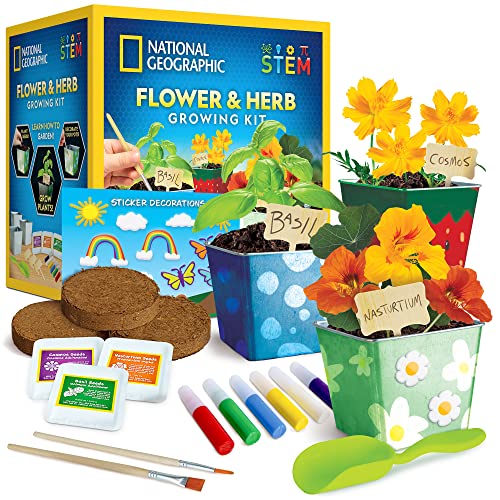
National Geographic Flower & Herb Gardening Kit for Kids – Gardening Set with 3 Stainless Steel Pots, Paint & Stickers, Kids Plant Growing Kit
GROW YOUR OWN GARDEN – With this complete set, kids will have fun decorating their pots, then planting…
As an affiliate, we earn on qualifying purchases.
As an affiliate, we earn on qualifying purchases.