To help siblings play more peacefully, encourage them to express their feelings calmly and listen to each other’s perspectives. Set clear boundaries about acceptable behavior and praise cooperation over competition. Plan enjoyable shared activities like baking or arts and crafts that promote teamwork. Model patience and respectful communication, resolving conflicts calmly yourself. Fostering empathy and emotional understanding can also improve interactions. Keep exploring this approach to discover more ways to nurture harmony in their play.
Key Takeaways
- Teach children age-appropriate conflict resolution skills and encourage calm, respectful communication during disagreements.
- Promote cooperative activities that require teamwork and shared responsibility to build positive interactions.
- Set clear boundaries and consistent rules to foster respect and fairness in play.
- Model respectful, patient behavior and resolve conflicts calmly as an example.
- Plan shared, enjoyable experiences to strengthen bonds and reduce trivial disagreements.

Have you ever wondered how to help your children play together without constant fighting? It can be challenging to keep the peace, especially when siblings have different personalities and interests. One effective approach is to focus on sharing conflict resolution skills. When disputes arise, instead of stepping in immediately, guide your children to express their feelings calmly and listen to each other. Teach them phrases like “I feel upset because…” or “Can we find a way to share?” This helps them understand that conflicts are normal but can be resolved constructively. Encouraging your kids to resolve their disagreements on their own fosters independence and shows them that they can work through issues peacefully.
Teaching kids to calmly express feelings and listen fosters peaceful conflict resolution and independence.
In addition to conflict resolution, promoting cooperative play is essential. Encourage activities that require teamwork, such as building a puzzle together or playing a game that involves taking turns. When children work toward a common goal, they learn to share responsibilities and respect each other’s contributions. Make sure to praise their efforts, emphasizing the importance of cooperation rather than competition. Setting clear boundaries about acceptable behavior during playtime also helps. For instance, remind them that hitting, grabbing, or yelling isn’t acceptable, and establish consequences if these boundaries are crossed. Consistency in enforcing rules teaches them about respect and fairness. Understanding the science of cooperation can help you tailor your approach to encourage collaboration effectively.
Another helpful tip is to create opportunities for positive interactions outside of conflicts. Plan shared activities that appeal to both siblings’ interests, like baking cookies or doing arts and crafts. These activities help build bonds and create memories that can override minor disagreements. When your children are engaged in enjoyable tasks together, they’re less likely to argue over trivial things. It’s also useful to assign roles during playtime, so each child feels valued and responsible. For example, one can be the “leader,” while the other helps follow directions. This structured approach promotes cooperation and reduces power struggles. Recognizing the importance of biodiversity and the environment can also inspire children to work together, fostering teamwork and shared responsibility. Developing an understanding of emotional intelligence can further enhance their ability to resolve conflicts and communicate effectively. Incorporating empathy into your parenting helps children understand each other’s feelings and promotes a more harmonious play environment.
Lastly, model the behavior you want your children to imitate. Show patience, empathy, and respectful communication in your interactions with others. When they see you resolving conflicts calmly and encouraging cooperation, they’ll learn to do the same. Remember, fostering a peaceful play environment takes time and patience, but by consistently applying these strategies—focusing on sharing conflict resolution and encouraging cooperative play—you’ll help your siblings develop stronger, more positive relationships that can last a lifetime.

Peaceable Kingdom Dinosaur Escape Cooperative Memory Game of Logic and Luck for 2 to 4 Kids Ages 4+
THE VOLCANO IS RUMBLING: Your dinosaur friends are lost in the ferns and a volcano is about to…
As an affiliate, we earn on qualifying purchases.
As an affiliate, we earn on qualifying purchases.
Frequently Asked Questions
How Can Parents Encourage Sharing Without Causing Resentment?
You can encourage sharing without causing resentment by implementing sharing strategies that promote fairness and empathy. Set clear, consistent rules and praise your children when they share. Avoid forcing sharing; instead, teach them to express their feelings and negotiate. Resentment prevention comes from understanding each child’s needs and fostering a supportive environment. By modeling respectful sharing and acknowledging their efforts, you help your children develop positive, lasting sharing habits.
What Are Effective Ways to Resolve Sibling Conflicts Immediately?
Picture a calm lake after a storm—that’s how sibling conflicts can settle quickly. You can resolve disputes immediately by encouraging open sibling communication, guiding them to express feelings calmly. Use conflict resolution techniques like active listening and finding common ground. Intervene gently, remind them of shared interests, and help them negotiate solutions. Your quick, calm response restores peace, teaching your kids valuable skills in managing disagreements effectively.
How Do Age Differences Affect Sibling Play Harmony?
Your age gap considerably influences play compatibility between siblings. When children are close in age, they often share interests and play more harmoniously, but larger differences can make play less smooth. To foster harmony, encourage activities suitable for both ages, and be patient as they navigate their different developmental stages. Understanding these dynamics helps you create opportunities for inclusive play, making interactions more enjoyable for everyone involved.
When Should Parents Step in During Sibling Disagreements?
Ever wonder when you should step in during sibling disagreements? You should intervene when conflict escalates, disrupts sibling bonding, or risks hurt feelings. Your goal is conflict prevention, so stepping in early helps guide children toward resolving issues themselves. Use calm, neutral language, and encourage them to communicate. By doing so, you foster healthier sibling relationships and teach valuable conflict-resolution skills, making future disagreements easier to handle.
How Can I Prevent Favoritism Among Siblings During Play?
To prevent favoritism during play, stay aware of favoritism and guarantee you give equal attention to each sibling. Observe their interactions and intervene if one child seems to be favored or excluded. Encourage sharing and taking turns, and praise their efforts to cooperate. By balancing your attention and fostering fairness, you help children develop a sense of equity, reducing jealousy and promoting harmonious playtime.
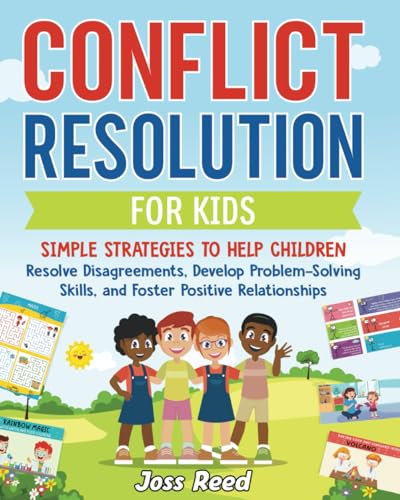
Conflict Resolution for Kids: Simple Strategies to Help Children Resolve Disagreements, Develop Problem-Solving Skills, and Foster Positive Relationships (The Emotion Detectives)
As an affiliate, we earn on qualifying purchases.
As an affiliate, we earn on qualifying purchases.
Conclusion
Think of your siblings as two birds sharing a branch. When you help them find gentle ways to share the space, they learn to sing together in harmony. Your guidance is the breeze that guides their wings, encouraging patience and understanding. With your support, they’ll spread their wings and soar side by side, creating a beautiful melody of cooperation. In nurturing their bond, you’re helping them build a lifelong symphony of peace and friendship.

Jigsaw Puzzles 500 Pieces for Adults Office Inspirational Quotes Jigsaw Puzzles in This Office Poster, We are A Team Large Wooden Puzzle for Teenagers Office Teamwork Wooden Puzzles Office Game Gift
Product Specifications:Contains 500 pieces puzzle and a poster. Finished size: 20.4" x 14.9"/52*38cm.
As an affiliate, we earn on qualifying purchases.
As an affiliate, we earn on qualifying purchases.

Dan&Darci Arts and Crafts Vault – Craft Supplies Kit in a Box – Birthday Gift for Kids Ages 4 5 6 7 8 9 10 11 & 12 Year Old Girls & Boys – Crafting Set Kits – Gift Ideas for Kid Art Activity Gifts
Unleash & Spark Your Creativity: Your complete arts and crafts supply set with arts & crafts supplies for…
As an affiliate, we earn on qualifying purchases.
As an affiliate, we earn on qualifying purchases.