

Using play in your daily routine can make parenting less stressful by strengthening your bond and turning tough moments into opportunities for connection. Engaging in imaginative activities like pretending to be explorers or pirates boosts creativity and calms anxieties. Play also helps you teach important skills like resilience and problem-solving while creating joyful, shared experiences. Incorporating nature or mindfulness during play adds an extra layer of relaxation. Keep exploring ways to make play a natural part of your parenting journey.
Key Takeaways
- Incorporate imaginative play to strengthen bonds and create joyful shared experiences.
- Use play as a teaching tool to foster resilience and problem-solving skills, reducing daily parenting stress.
- Engage fully in play to promote mindfulness, calmness, and a break from worries.
- Incorporate nature-based activities to enhance well-being and create a relaxing, playful environment.
- Prioritize quality play to build a stronger parent-child relationship, making parenting more manageable and enjoyable.

Parenting can often feel overwhelming, especially when daily demands leave little room for fun. The constant balancing act of managing work, household chores, and your child’s needs can make it seem like stress is a permanent fixture. However, using play intentionally can help lighten that load and turn stressful moments into opportunities for connection. One effective way to do this is through parent-child bonding, which is essential for both your child’s development and your own sense of fulfillment. When you prioritize quality play, you’re not just entertaining your kid; you’re building a stronger relationship that can make everyday parenting feel more manageable.
Prioritizing quality play strengthens bonds, eases stress, and makes parenting more joyful and manageable.
Creative play techniques are your secret weapon here. They don’t require elaborate setups or expensive toys—just your imagination and a willingness to get involved. For example, simple activities like pretending to be pirates or explorers can turn a regular afternoon into an adventure. These playful scenarios give your child a chance to express themselves freely while you participate actively, creating shared moments of joy that reinforce your bond. As you engage in this kind of play, you’ll notice that your child feels more secure and understood, which reduces behavioral issues and decreases your stress levels. Incorporating imaginative play into your routine can also boost your child’s creativity and problem-solving skills, further enriching your parenting experience.
Incorporating creative play techniques into your routine also helps you approach parenting with a fresh perspective. Instead of viewing play as just a break or distraction, see it as a powerful tool for teaching resilience, problem-solving, and emotional regulation. When you join your child in building a fort out of blankets or creating a story together, you’re fostering a sense of teamwork. These activities don’t just entertain; they teach valuable skills that your child will carry into other areas of life, making your job as a parent easier over time. Recognizing the benefits of play can motivate you to make it a regular part of your day and fully harness its potential for growth and connection. Additionally, understanding the importance of biodiversity can inspire you to incorporate nature-based play, which further enhances your child’s development and your own well-being.
Moreover, playful interactions can serve as a stress-relief for you. When you’re fully engaged in a game or imaginative activity, you temporarily set aside worries about chores, deadlines, or conflicts. This moment of presence can be surprisingly calming, helping you feel more centered and patient. Engaging in mindful play also encourages you to be more present and appreciative of the moment. The more you incorporate creative play techniques, the more natural it becomes to find joy even in challenging situations. Recognizing that playful interactions can serve as a mental health boost encourages you to intentionally incorporate them into your daily routine. It’s not about perfection or constant entertainment—it’s about creating a playful atmosphere where both you and your child can relax, laugh, and reconnect.

Melissa & Doug Examine and Treat Pet Vet Play Set, 24-Piece Animal Doctor Playset with Dog & Cat Plushies, Pet Doctor Kit & Accessories, Preschool Toys for Girls & Boys Ages 3+
Imaginative Pet Doctor Play: Kids can give their plush toys checkups & pretend play treatments, then complete wellness…
As an affiliate, we earn on qualifying purchases.
As an affiliate, we earn on qualifying purchases.
Frequently Asked Questions
How Do I Find Time for Play Amid a Busy Schedule?
You can find time for play by incorporating playful bonding into your daily routine and practicing smart time management. Carve out small moments—like during meals or errands—to engage in fun interactions. Prioritize play as quality time, even if it’s brief. Scheduling dedicated play sessions or involving your child in your tasks makes play seamless, keeps your bond strong, and helps reduce stress while fitting play into your busy schedule.
What if My Child Doesn’t Want to Play My Way?
When your child doesn’t want to play your way, think of it as a dance where both partners lead. Respect their feelings by balancing boundaries and encouraging independence, allowing them to choose activities they enjoy. Show patience and flexibility, adapting your approach without forcing. This gentle guidance helps your child feel valued, building trust and making playtime a shared journey rather than a chore.
How Can I Incorporate Educational Play Without Stressing?
You can incorporate educational play by setting creative boundaries that keep activities fun and engaging. For playful learning, choose hands-on games or puzzles that develop skills without pressure. Keep the mood light and flexible, allowing your child to explore at their own pace. Focus on enjoying the process together, rather than perfect outcomes. This approach helps reduce stress and fosters a natural love for learning through playful, creative boundaries.
Are There Age-Appropriate Play Strategies for Different Children?
You’ll find that age-appropriate activities align with your child’s developmental milestones, making play both fun and effective. For infants, focus on sensory toys and simple cause-and-effect games. Toddlers benefit from imaginative play, while school-age children thrive with more complex tasks like problem-solving or collaborative games. By tailoring activities to their age, you support growth and keep play engaging, reducing stress and fostering a positive parent-child connection.
How Do I Handle Conflicts During Playtime?
When conflicts arise during playtime, you should calmly intervene by reminding your child about sharing boundaries and respecting preferences. Encourage them to express their feelings and listen actively. Teach them to take turns, use kind words, and understand others’ perspectives. If tension persists, suggest a break or a different activity. By modeling respect and patience, you help your child develop healthy conflict-resolution skills, making playtime more enjoyable for everyone.

Nature-Based Therapy: A Practitioner’s Guide to Working Outdoors with Children, Youth, and Families
As an affiliate, we earn on qualifying purchases.
As an affiliate, we earn on qualifying purchases.
Conclusion
By weaving play into your daily routine, you turn parenting into a joyful dance rather than a stressful march. Play acts as a gentle breeze, calming worries and fueling your child’s curiosity. Remember, laughter is the glue that binds you together, transforming challenges into shared adventures. Embrace these playful moments—they’re the sunshine breaking through the clouds, reminding you that parenting, though busy, can be a beautiful, lively symphony when you let play lead the way.

Kids VS Parents – A Hilarious Family Game with Conversation Starters & Fun Challenges – Card Game for Kids, Teens & Adults | Perfect for Game Night, Travel, or Gifts
The Ultimate Family Face-Off: Turn game night into an unforgettable showdown! Kids team up against parents in laugh-out-loud…
As an affiliate, we earn on qualifying purchases.
As an affiliate, we earn on qualifying purchases.
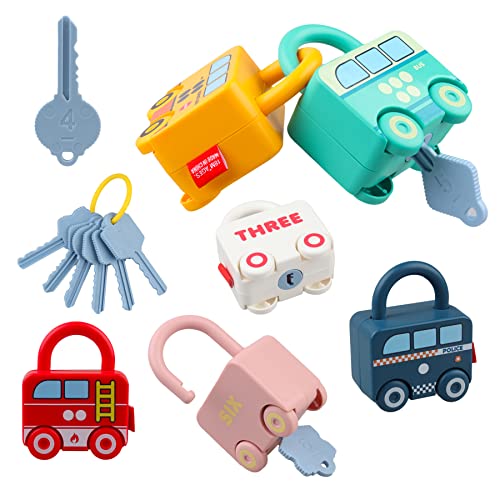
Montessori Educational Toys Learning Games Busy Board – Toddler Car Activities – Baby Sensory Fine Motor Skills Developmental Toys – Gifts for 12 18 24 Month Age 1 2 3 4 One Two Year Old Boys Girls
[Baby Toy Cars Set] : 6 lock-shaped vehicles printed with the English numbers and countable dots, and 6…
As an affiliate, we earn on qualifying purchases.
As an affiliate, we earn on qualifying purchases.