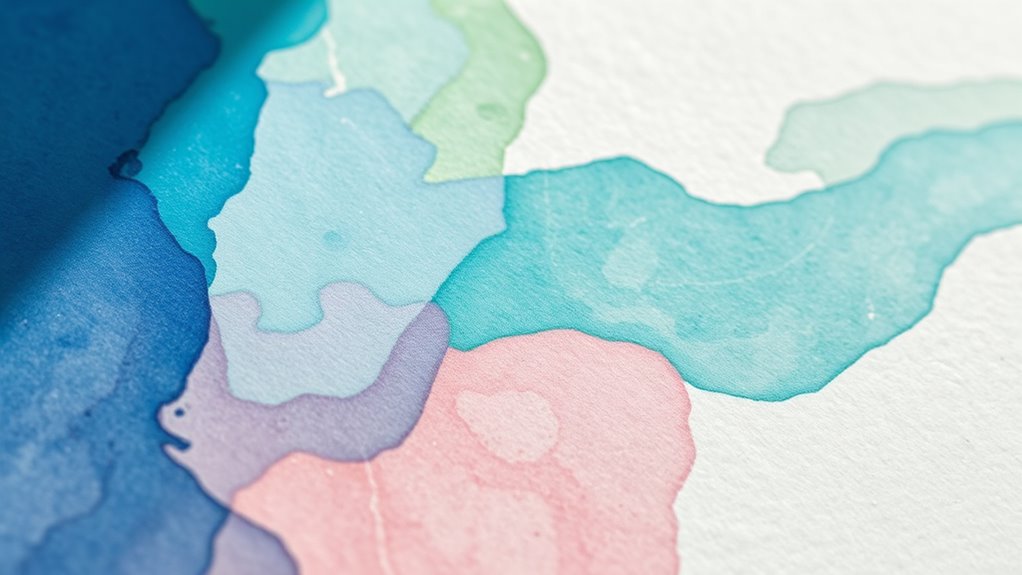

Wet-on-wet watercolor is a gentle, spontaneous technique that lets you create soft blends and natural color interactions by applying pigment onto a damp surface. You’ll enjoy the flowing effects, smooth progressions, and unpredictable details that emerge as colors mingle organically. This approach emphasizes spontaneity and encourages you to embrace surprises while building atmospheric layers. If you keep exploring, you’ll discover how to harness this delicate art to add subtlety and mood to your paintings.

Turn the school run and nap time into listening time
- Thousands of audiobooks, podcasts and originals
- Listen on your phone, tablet or Echo — also offline
- Cancel anytime
Key Takeaways
- Wet-on-wet watercolor creates soft, flowing blends ideal for atmospheric effects and seamless color transitions.
- The technique emphasizes spontaneity, encouraging artists to embrace unpredictable interactions and organic results.
- Controlling water amount influences edge softness and color vibrancy, allowing for gentle gradations or defined shapes.
- Layering washes enhances depth, with colors bleeding into each other for natural, harmonious compositions.
- It promotes a gentle, intuitive approach that values patience, observation, and experimentation for expressive artwork.
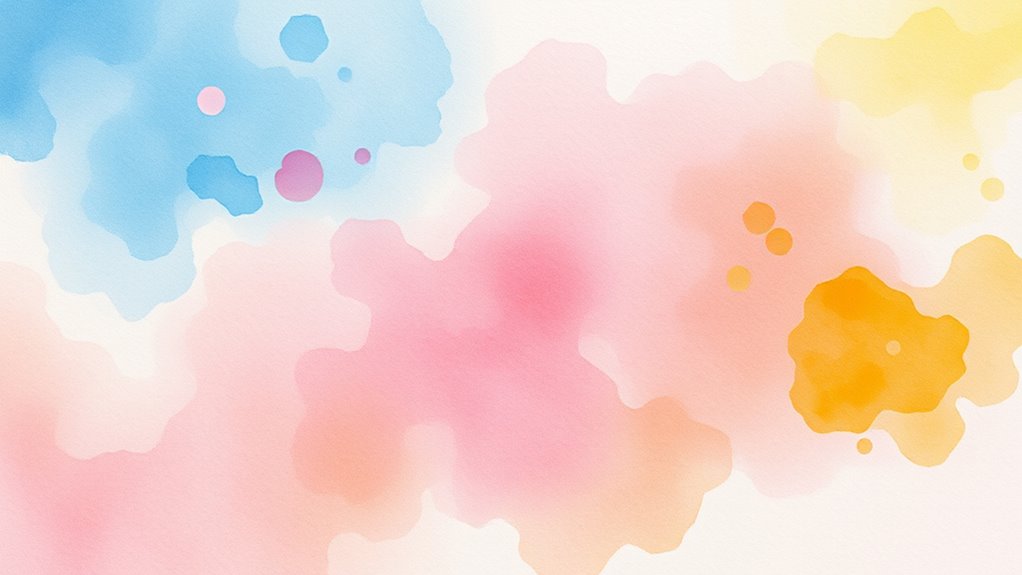
Wet-on-wet watercolor is a popular technique that allows artists to create soft, flowing blends and unpredictable color interactions. When you use this method, you start by applying a wet layer of paper with clean water, then add pigment directly into the damp surface. This approach encourages seamless color blending, where pigments merge effortlessly, producing smooth gradations and subtle progressions. As the colors spread and interact, you’ll notice the edges soften naturally, giving your artwork a delicate, airy quality. The beauty of wet-on-wet lies in its spontaneity; you don’t have to control every detail, which often results in more organic and expressive effects.
One of the key advantages of this technique is its ability to produce soft edges effortlessly. When you paint onto wet paper, the pigment disperses gently, creating a blurred boundary between colors. This effect is perfect for backgrounds, skies, or any scene where you want to evoke a sense of atmosphere or depth without harsh lines. To enhance soft edges, you should work quickly and keep your brush moist, allowing the paint to flow freely across the surface. If you want to maintain specific areas free of color or sharpness, you can mask parts of the paper or lift pigment while it’s still wet. This flexibility makes wet-on-wet a dynamic tool for achieving subtlety and nuance in your work.
Color blending in wet-on-wet painting can be both controlled and spontaneous. You might choose to pre-mix colors for gentle transitions or let the colors mingle naturally on the paper for more unpredictable effects. Experimenting with how much water you use can influence the softness of the edges and the vibrancy of the hues. More water leads to more diffusion, softer edges, and muted tones, while less water results in more defined shapes and richer colors. Over time, you’ll learn how different pigments behave when they meet on a wet surface, allowing you to adapt your approach to suit your artistic intentions. Additionally, understanding the wet-on-wet technique’s fundamental principles helps in creating harmonious compositions with fluid transitions.
In practice, this technique invites experimentation. You can layer washes to build depth or let colors bleed into each other for interesting, unexpected results. The key is to work with the natural flow of the watercolor rather than against it. As you gain experience, you’ll discover how to control the spread of pigment and harness the unpredictable interactions to create compelling, atmospheric artwork. Wet-on-wet watercolor is a gentle art approach that rewards patience, observation, and a willingness to embrace the surprises that come with flowing color and soft edges.
As an affiliate, we earn on qualifying purchases.
Frequently Asked Questions
What Types of Paper Are Best for Wet-On-Wet Watercolor?
For wet-on-wet watercolor, you want paper with a smooth, absorbent texture. Cold-pressed or rough textures work well, offering different effects based on your style. Brands like Arches, Saunders Waterford, and Fabriano provide high-quality options that handle water and pigment beautifully. Choose thicker paper, at least 140 lb (300 gsm), to prevent buckling and allow your colors to flow seamlessly. This way, your wet-on-wet techniques will shine.
How Do I Fix Mistakes in Wet-On-Wet Watercolor?
To fix mistakes in wet-on-wet watercolor, act quickly to minimize color blending issues. You can lift excess paint with a clean, damp brush or paper towel, gently blotting the area. Using the right paper preparation, like pre-wetting the paper, helps control blending and makes corrections easier. Remember, patience and swift action are key—adjustments are more successful when you work calmly and promptly.
Can Wet-On-Wet Watercolor Be Used for Detailed Work?
Yes, you can use wet-on-wet watercolor for detailed work by employing precision techniques and layering strategies. You’ll want to work quickly while the paint is still wet, adding fine lines and tiny details with a steady hand. Use controlled brushwork and gradually build up layers to achieve your desired level of detail. This approach allows you to maintain the softness of wet-on-wet while adding intricacy where needed.
What Brushes Work Best for Wet-On-Wet Techniques?
Think of your brushes as gentle rainmakers for your watercolor garden. For wet-on-wet techniques, select brushes with soft, round tips like sable or synthetic blends, which hold water well and create smooth washes. Their varied brush textures allow for controlled water retention, helping you achieve seamless blends and soft edges. Opt for larger sizes to cover more area easily, giving your artwork a flowing, natural feel.
How Long Should I Wait Before Adding New Layers?
You should wait about 10 to 15 minutes, depending on your paper type and paint thickness, before adding new layers. This layer drying time allows the previous layer to stay moist enough for seamless paint blending techniques. Keep an eye on the surface; if it feels tacky or wet, give it a bit more time. Rushing this step can cause unwanted lifting or muddy colors, so patience is key.
Conclusion
Now that you’ve explored wet-on-wet watercolor, you see how this gentle method lets you let your creativity flow effortlessly. Don’t be afraid to get your brush wet and embrace the unpredictable beauty that emerges. Remember, sometimes you have to roll with the punches and trust the process. With patience and practice, you’ll find this technique becomes second nature, turning your art into a delightful surprise every time. Keep painting, and enjoy the journey!
Fall Picks
fall essentials
As an affiliate, we earn on qualifying purchases.