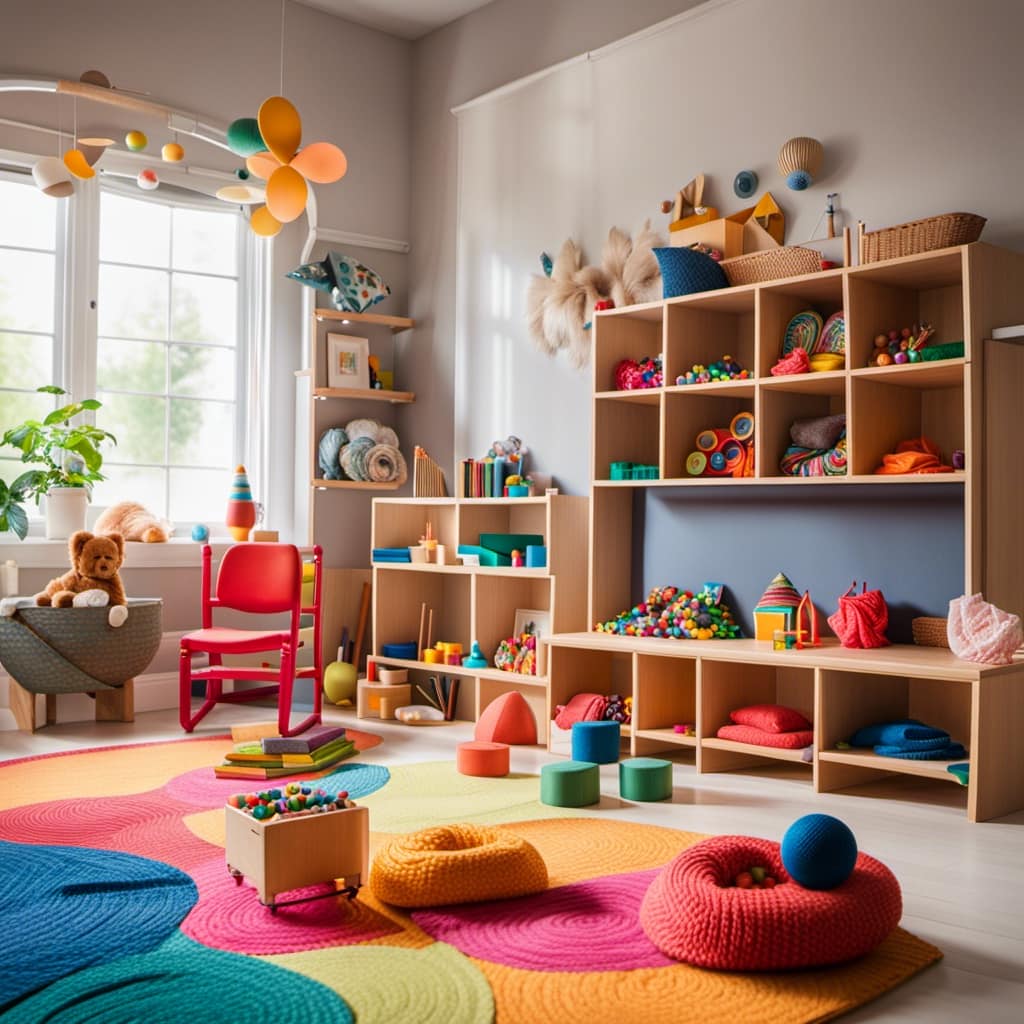
Beeswax modeling is a natural, eco-friendly activity that helps you strengthen your fine motor skills and patience. As you manipulate the warm, pliable wax, you improve dexterity, hand-eye coordination, and control. The process encourages mindfulness and persistence, developing your ability to focus and solve problems creatively. Engaging with natural materials like beeswax also promotes sensory well-being. Keep exploring how these craft activities can boost your skills and patience even further.

Turn the school run and nap time into listening time
- Thousands of audiobooks, podcasts and originals
- Listen on your phone, tablet or Echo — also offline
- Cancel anytime
Key Takeaways
- Beeswax modeling enhances fine motor skills through precise manipulation and shaping activities.
- It promotes patience by encouraging step-by-step, mindful crafting processes.
- Using beeswax supports sustainable business practices, appealing to eco-conscious consumers.
- Incorporating beeswax crafts can boost sensory development and overall well-being.
- Beeswax modeling offers a unique, natural product for educational or therapeutic business offerings.
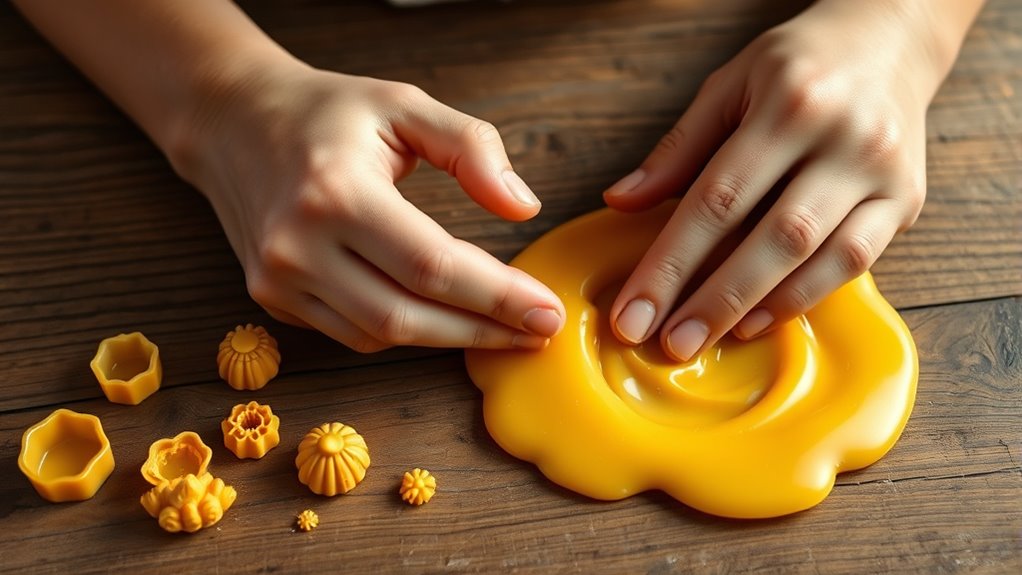
Have you ever wondered how artists and hobbyists create intricate sculptures and designs using beeswax? This fascinating craft not only results in beautiful, durable art but also offers a meaningful way to engage in sustainable crafting. Beeswax, a natural byproduct of honey production, allows you to create without relying on synthetic materials, making your projects environmentally friendly. When working with beeswax, you tap into a sustainable resource that supports eco-conscious practices while producing stunning, handcrafted pieces. As you manipulate the warm, pliable material, you’re also nurturing your sensory development. The tactile experience of feeling the smooth, malleable beeswax helps sharpen your sense of touch, encouraging mindfulness and focus.
Engaging in beeswax modeling strengthens your fine motor skills because it demands precise hand movements. As you pinch, roll, shape, and carve, you develop better hand-eye coordination and dexterity. These activities challenge you to control your movements carefully, which over time can improve your overall motor precision. Whether you’re creating tiny details or larger forms, each step requires steady hands and deliberate actions, fostering patience and concentration. The repetitive motions involved in beeswax crafting can be calming, helping you build resilience and perseverance as you work toward completing complex designs.
Moreover, beeswax modeling encourages you to slow down and pay close attention to the process, which is essential for developing patience. Unlike instant digital gratification, crafting with beeswax involves a series of thoughtful steps. You might start by warming the wax to make it more workable, then mold it into different shapes, and finally add details with tools or your fingers. Each stage demands a thoughtful approach, teaching you to stay focused and committed to your project. This process not only cultivates patience but also enhances your problem-solving skills as you figure out how to bring your creative vision to life. Additionally, understanding the chemical composition of beeswax reveals why it’s so suitable for modeling—it’s naturally malleable and releases pleasant scents as it’s worked, enhancing the sensory experience.
In addition, working with beeswax can be incredibly satisfying because of its natural scent and tactile qualities. The warmth and texture of the wax create a sensory-rich experience that can be both grounding and inspiring. As you refine your techniques, you’ll notice increased patience, better fine motor control, and a deeper appreciation for sustainable crafting methods. Beeswax modeling becomes more than a hobby; it’s a mindful activity that nurtures your creativity while reinforcing valuable skills that benefit your overall well-being.
beeswax modeling kit for beginners
As an affiliate, we earn on qualifying purchases.
As an affiliate, we earn on qualifying purchases.
Frequently Asked Questions
What Age Is Suitable for Beeswax Modeling Activities?
You might wonder what age is suitable for beeswax modeling activities. For early childhood, kids as young as three can start exploring beeswax, helping develop their fine motor skills. With supervision, they can manipulate the wax, strengthening hand muscles and improving coordination. Beeswax modeling is a great way to foster patience and creativity in young children, making it ideal for preschoolers and early elementary students enthusiastic to learn through hands-on play.
Are There Safety Concerns With Using Beeswax for Children?
Think of beeswax as a honeyed treasure, but safety matters. You should be aware of allergic reactions, especially if your child has known allergies to bee products. Ingestion risks also exist if they chew or swallow small pieces. Always supervise young children during beeswax activities, verify the wax is pure and food-grade, and teach them not to put it in their mouths. Safety first keeps the fun sweet and worry-free.
How Can I Introduce Beeswax Modeling to Beginners?
To introduce beeswax modeling to beginners, start with simple, fun projects that encourage creative play and sensory exploration. Show them how to knead, shape, and mold the wax gently, emphasizing patience. Keep tools minimal and safe, and encourage experimentation. By making it enjoyable and tactile, you’ll help beginners build confidence, develop fine motor skills, and foster their creativity in a safe, engaging way.
What Tools Are Recommended for Beeswax Sculpting?
Imagine your hands as artists’ brushes—what tools will bring your vision to life? For beeswax sculpting, start with simple beeswax tools like shaping knives, carving picks, and smoothers. These help you master basic sculpting techniques while offering control. As you progress, explore finer tools like needles and wire loops. With the right beeswax tools, you’ll turn raw wax into detailed masterpieces, building skills step by step.
Can Beeswax Modeling Help Develop Cognitive Skills?
You might wonder if beeswax modeling can boost your cognitive skills. It definitely can, as it promotes sensory integration and encourages creative expression. When you work with beeswax, you engage your senses, refine your focus, and develop problem-solving skills. This hands-on activity challenges your brain, helping improve concentration and patience. Plus, expressing yourself creatively through beeswax sculpting offers mental relaxation and boosts your overall cognitive development.
Conclusion
By working with beeswax, you not only strengthen your fine motor skills but also cultivate patience and focus. Some believe that shaping beeswax mirrors the way we shape our lives—requiring care, attention, and perseverance. While there’s no scientific proof that beeswax directly improves patience, many find the process calming and meditative. So, next time you mold beeswax, remember you’re nurturing both your hands and your mind, proving that small acts can lead to big personal growth.
Cold & flu season Picks
humidifiers
As an affiliate, we earn on qualifying purchases.