The best Christian parenting books connect biblical convictions with the decisions families face at home, and I rank Parenting: 14 Gospel Principles That Can Radically Change Your Family as the best overall for its broad, grace-centered framework. Habits of the Household is the stronger starting point for families who want faith expressed through repeatable daily rhythms, while The Intentional Father offers more focused guidance for fathers raising sons. The main tradeoffs are theological depth versus immediate techniques, broad family relevance versus a narrow audience, and firm prescriptions versus flexible application. Several psychology-led books provide valuable communication tools but require more theological filtering than explicitly Christian choices. Continue reading for the full breakdown of all 15 books and the buyer each one serves best.

Turn the school run and nap time into listening time
- Thousands of audiobooks, podcasts and originals
- Listen on your phone, tablet or Echo — also offline
- Cancel anytime
Complete the kit


Key Takeaways
- Parenting: 14 Gospel Principles earned the top position because it balances biblical depth, grace, and relevance across multiple childhood stages better than the narrower books.
- Habits of the Household is the most approachable beginner choice because it turns faith formation into daily practices, though it provides less direct behavior coaching than Raising Good Humans.
- The Intentional Father, Christian Parenting, and Raising Street-Smart Christian Kids serve narrower audiences more precisely than the general guides, making them better supplements than universal first purchases.
- Good Inside and Raising Good Humans offer strong emotional-regulation tools, but neither supplies the explicit Christian framework found in Risen Motherhood, Gospel Mom, or Parenting.
- Shepherding a Child’s Heart and Family Driven Faith present firmer views of authority and family discipleship, so theological agreement matters more with these books than with the lineup’s grace-oriented options.
| Parenting: 14 Gospel Principles That Can Radically Change Your Family |  | Best Overall | Framework: Gospel-centered parenting | Structure: 14 principles | Primary Focus: Family transformation and stronger relationships | VIEW LATEST PRICE | See Our Full Breakdown |
| The Intentional Father: A Practical Guide to Raise Sons of Courage and Character | 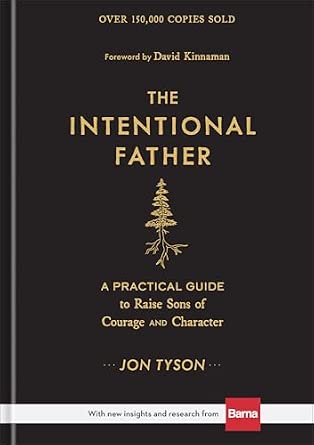 | Best for Fathers Raising Sons | Framework: Biblical fatherhood | Primary Focus: Raising sons with courage and character | Intended Readers: Fathers, grandfathers, and husbands | VIEW LATEST PRICE | See Our Full Breakdown |
| Being Family: Passing Down the Faith through the Generations |  | Best for Intergenerational Faith | Framework: Christian family faith | Primary Focus: Passing down faith and family values | Generational Scope: Multiple generations | VIEW LATEST PRICE | See Our Full Breakdown |
| Christian Parenting: Raising Confident Pre-teen Girls in Faith, Identity, and Character |  | Best for Pre-Teen Girls | Framework: Biblical parenting principles | Primary Focus: Faith, identity, confidence, and character | Child Age Focus: Pre-teen | VIEW LATEST PRICE | See Our Full Breakdown |
| Raising Street-Smart Christian Kids: A Practical Parenting Playbook to Navigate Peer Pressure, Strengthen Discernment, Build Strong Faith, and Choose Wisely in Today’s Culture |  | Best for Peer Pressure and Cultural Challenges | Framework: Christian parenting | Primary Focus: Peer pressure and cultural challenges | Skills Emphasized: Discernment, resilience, and wise choices | VIEW LATEST PRICE | See Our Full Breakdown |
| Good Inside: A Guide to Becoming the Parent You Want to Be |  | Best Relationship-Focused Supplement | Resource type: Parenting guide | Primary audience: Parents seeking healthier relationships with their children | Core approach: Understanding- and compassion-led parenting | VIEW LATEST PRICE | See Our Full Breakdown |
| Family Driven Faith: Doing What It Takes to Raise Sons and Daughters Who Walk with God |  | Best for Family Discipleship | Resource type: Christian parenting guide | Primary audience: Parents raising sons and daughters | Faith orientation: Explicitly Christian | VIEW LATEST PRICE | See Our Full Breakdown |
| Risen Motherhood: A Gospel-Centered Motherhood Book for Applying Biblical Truth to Everyday Parenting |  | Best for Gospel-Centered Mothers | Resource type: Christian motherhood guide | Primary audience: Mothers | Faith orientation: Gospel-centered and biblical | VIEW LATEST PRICE | See Our Full Breakdown |
| Raising Good Humans: A Mindful Guide to Breaking the Cycle of Reactive Parenting and Raising Kind, Confident Kids |  | Best for Breaking Reactive Patterns | Resource type: Mindful parenting guide | Primary audience: Parents struggling with reactive patterns | Core method: Mindfulness strategies | VIEW LATEST PRICE | See Our Full Breakdown |
| Habits of the Household: Practicing the Story of God in Everyday Family Rhythms |  | Best for Daily Faith Rhythms | Resource type: Christian family-practices guide | Primary audience: Families building shared spiritual habits | Faith orientation: Centered on the story of God | VIEW LATEST PRICE | See Our Full Breakdown |
| Raising Mentally Strong Kids |  | Best Evidence-Based Approach | Primary audience: Parents and educators | Age scope: Children and young adults | Core framework: Neuroscience combined with Love and Logic | VIEW LATEST PRICE | See Our Full Breakdown |
| Gospel Mom |  | Best for Gospel-Centered Decisions | Primary reader: Christian mothers | Worldview: Biblical and gospel-centered | Main focus: Confident biblical decision-making | VIEW LATEST PRICE | See Our Full Breakdown |
| Courageous Parenting |  | Best for Modern Cultural Challenges | Primary audience: Parents | Worldview: Biblical | Cultural setting: Modern and unprecedented times | VIEW LATEST PRICE | See Our Full Breakdown |
| Loving the Little Years |  | Best for Mothers of Young Children | Primary reader: Mothers | Family stage: Early childhood | Parenting lens: Grace-based Christian parenting | VIEW LATEST PRICE | See Our Full Breakdown |
| Shepherding a Child’s Heart |  | Best for Heart-Oriented Discipline | Primary audience: Parents and caregivers | Worldview: Biblical | Developmental focus: Spiritual and moral growth | VIEW LATEST PRICE | See Our Full Breakdown |
| Christian parenting book | Primary audience |
|---|---|
| Parenting: 14 Gospel Principle | — |
| The Intentional Father: A Prac | — |
| Being Family: Passing Down the | — |
| Christian Parenting: Raising C | — |
| Raising Street-Smart Christian | — |
| Good Inside: A Guide to Becomi | Parents seeking healthier relationships with their children |
| Family Driven Faith: Doing Wha | Parents raising sons and daughters |
| Risen Motherhood: A Gospel-Cen | Mothers |
| Raising Good Humans: A Mindful | Parents struggling with reactive patterns |
| Habits of the Household: Pract | Families building shared spiritual habits |
| Raising Mentally Strong Kids | Parents and educators |
| Gospel Mom | — |
| Courageous Parenting | Parents |
| Loving the Little Years | — |
| Shepherding a Child’s Heart | Parents and caregivers |
More Details on Our Top Picks
Parenting: 14 Gospel Principles That Can Radically Change Your Family
I rank Parenting: 14 Gospel Principles first because its broad, gospel-centered framework can guide families across ages and situations. Unlike Habits of the Household, which emphasizes recurring family rhythms, this book organizes its guidance around 14 principles that can shape how parents interpret conflict, authority, grace, and relationships. The included study questions give couples or small groups a clear path from reading to discussion. Its breadth is also its main compromise: parents seeking scripts for peer pressure, pre-teen identity, or other specific problems may find Raising Street-Smart Christian Kids or Christian Parenting more immediately actionable. I see this as the strongest foundation in the lineup, but its explicitly gospel-driven approach will not suit mixed-faith households seeking broadly applicable parenting psychology.
Pros:- Fourteen principles provide a clear structure for examining family life
- Gospel-centered guidance connects parenting choices with Christian belief
- Study questions support couple, group, or individual reflection
- Broad scope remains relevant across different childhood stages
Cons:- Principle-based teaching may feel less immediately actionable than a playbook built around specific scenarios
- Broad coverage offers limited attention to age- or gender-specific challenges
- Explicit theological framing may not fit mixed-faith families
Best for: Christian parents who want a foundational gospel framework they can discuss and apply across multiple stages of family life
Not ideal for: Parents seeking age-specific scripts, secular guidance, or a tightly focused response to one behavioral challenge
- Framework:Gospel-centered parenting
- Structure:14 principles
- Primary Focus:Family transformation and stronger relationships
- Application Aid:Study questions
- Intended Audience:Christian parents and family study groups
- Child Age Focus:Not age-specific
- ASIN:1433593602
Our verdict“This is my leading pick for Christian parents who want a durable theological foundation rather than solutions limited to one age or problem.”
The Intentional Father: A Practical Guide to Raise Sons of Courage and Character
The Intentional Father earns its place by addressing a buyer the broader books do not serve as directly: fathers and grandfathers guiding boys toward courage and character. Compared with Parenting: 14 Gospel Principles, this pick narrows the audience and puts greater weight on actionable father-son leadership. That sharper focus can make lessons easier to connect with daily conversations, mentoring, and modeling. I would choose it over Family Driven Faith when a father wants guidance centered specifically on his role with sons, but not when the household needs equal attention to daughters or shared parenting responsibilities. Its limitations follow from its premise: the gender-specific framing is less flexible, and the supplied product information does not identify an edition, format, or detailed chapter structure for buyers who want to inspect the program before purchasing.
Pros:- Distinct focus on the influence of fathers and grandfathers
- Actionable guidance links biblical ideas with intentional parenting
- Strong emphasis on courage and character formation
- Useful for men seeking a defined mentoring role
Cons:- Narrow focus on fathers raising sons limits its usefulness for many households
- Provides less coverage of shared parenting and mother-child relationships
- Available data does not clarify format, edition, or chapter-level content
Best for: Fathers and grandfathers seeking biblically grounded, action-oriented guidance for raising boys with courage and character
Not ideal for: Families wanting an all-children parenting guide or balanced guidance for mothers and fathers raising sons and daughters together
- Framework:Biblical fatherhood
- Primary Focus:Raising sons with courage and character
- Intended Readers:Fathers, grandfathers, and husbands
- Approach:Practical guidance and actionable steps
- Child Focus:Boys and sons
- Format or Edition:Not specified
- ASIN:0801018684
Our verdict“I recommend this to fathers and grandfathers who want a focused roadmap for guiding boys, while broader households should start elsewhere.”
Being Family: Passing Down the Faith through the Generations
I give Being Family the intergenerational slot because it looks beyond immediate behavior and asks how faith and family values survive across generations. Where Habits of the Household centers everyday rhythms, this book places more emphasis on spiritual heritage and stronger bonds between generations. That makes it a better match for parents, grandparents, or extended families thinking about the beliefs and traditions they want to pass down. Its practical advice keeps the theme from becoming purely reflective, yet the provided description does not reveal specific exercises, age-based guidance, or a detailed content structure. Buyers dealing with an urgent issue such as peer pressure will get a more targeted plan from Raising Street-Smart Christian Kids. I rank this lower than Parenting: 14 Gospel Principles for general use because its legacy lens is meaningful but more specialized.
Pros:- Distinct intergenerational focus extends beyond day-to-day behavior management
- Connects spiritual heritage with family relationships
- Practical advice supports intentional transmission of faith and values
- Relevant to grandparents and extended families as well as parents
Cons:- Legacy-centered scope may feel too broad for urgent parenting problems
- No age-specific guidance is identified in the supplied information
- Detailed exercises and content structure are not described
Best for: Parents and grandparents who want to build shared faith traditions and pass Christian values across generations
Not ideal for: Parents who need immediate tactics for discipline, peer pressure, emotional regulation, or a specific developmental stage
- Framework:Christian family faith
- Primary Focus:Passing down faith and family values
- Generational Scope:Multiple generations
- Relationship Focus:Family bonds and spiritual heritage
- Approach:Insights and practical advice
- Age Guidance:Not specified
- ASIN:1964419964
Our verdict“This is my pick for families building a multigenerational Christian legacy, not those seeking a problem-specific parenting manual.”
Christian Parenting: Raising Confident Pre-teen Girls in Faith, Identity, and Character
Christian Parenting is the most age- and gender-specific recommendation here, pairing biblical guidance with the identity and confidence questions that often surface before adolescence. Compared with The Intentional Father, which concentrates on fathers shaping sons, this book addresses parents raising pre-teen girls and balances faith with self-esteem and character development. I would favor it over Parenting: 14 Gospel Principles when a family needs guidance tailored to this developmental window rather than a broad philosophy for every child. The narrow remit creates a clear buying reason, but it also limits the book’s lifespan and usefulness for siblings outside that group. Another drawback is the sparse product detail: the description promises practical advice without identifying chapter topics, exercises, edition information, or format. That uncertainty makes it harder to judge how structured the guidance will be.
Pros:- Targets the specific identity pressures facing pre-teen girls
- Connects confidence and self-esteem with Christian faith
- Addresses character development alongside emotional growth
- Offers a more focused choice than broad family parenting books
Cons:- Limited relevance outside the pre-teen girl audience
- Narrow developmental focus may reduce its long-term usefulness
- Supplied data does not identify exercises, chapter topics, format, or edition
Best for: Christian parents of pre-teen girls who need faith-based support for confidence, identity, and character development
Not ideal for: Parents of boys, younger children, or older teenagers who need guidance matched to a different developmental stage
- Framework:Biblical parenting principles
- Primary Focus:Faith, identity, confidence, and character
- Child Age Focus:Pre-teen
- Child Focus:Girls
- Approach:Practical faith-based guidance
- Format or Edition:Not specified
- ASIN:B0GXZ9SQ4T
Our verdict“I would choose this for focused support during a daughter’s pre-teen years, while families seeking an all-ages framework should pick a broader book.”
I rank Raising Street-Smart Christian Kids as the strongest issue-driven choice because it turns cultural pressure, discernment, and decision-making into a practical parenting agenda. Compared with Being Family, which takes a long view of spiritual heritage, this playbook is aimed at choices children face in contemporary social settings. It also has a narrower purpose than Courageous Parenting: the emphasis on peer pressure and wise judgment gives buyers a clearer reason to select it. That focus should help parents connect faith with real-world decisions rather than keeping belief at an abstract level. The compromise is coverage. Families mainly dealing with toddler behavior, parent-child emotional regulation, or mother-specific concerns will find better matches elsewhere in the roundup. The available description also omits the author, edition, age range, chapter structure, and included exercises.
Pros:- Directly addresses peer pressure and contemporary cultural challenges
- Links discernment with practical decision-making
- Builds resilience and faith around real-world choices
- Playbook framing suggests a more action-oriented approach than legacy-focused books
Cons:- External cultural pressures receive more attention than early-childhood behavior or parental emotional regulation
- The supplied data does not identify a specific child age range
- Author, edition, chapter structure, and exercises are not provided
Best for: Christian parents of school-age children or teenagers facing peer pressure, cultural conflict, and difficult social choices
Not ideal for: Parents of very young children or families primarily seeking help with attachment, emotional regulation, or household routines
- Framework:Christian parenting
- Primary Focus:Peer pressure and cultural challenges
- Skills Emphasized:Discernment, resilience, and wise choices
- Faith Focus:Strengthening Christian belief
- Approach:Practical parenting playbook
- Child Age Focus:Not specified
- ASIN:1957515627
Our verdict“This is my choice for parents who want faith-based language and strategies for helping older children respond wisely to peer and cultural pressure.”
Good Inside: A Guide to Becoming the Parent You Want to Be
I include Good Inside for parents who want to replace conflict-driven habits with understanding and compassion. Compared with Raising Good Humans, it places broader emphasis on the parent-child relationship rather than centering mindfulness as the main tool. Its practical strategies can help Christian parents respond with patience and protect connection during difficult moments. Yet this is a supplemental choice in a Christian roundup, not a primary faith guide: the supplied description identifies no biblical framework, Scripture study, or discipleship plan. Families seeking explicit spiritual formation will get a closer match from Family Driven Faith or Habits of the Household. I rank it for its relational value, while recognizing that readers must connect its advice to their own theology and family convictions.
Pros:- Turns compassion and understanding into practical parenting responses
- Keeps the parent-child relationship at the center of behavior guidance
- Can complement an existing Christian discipleship approach
- Addresses the kind of relational strain that faith-focused books may treat less directly
Cons:- The supplied description identifies no explicit Christian or biblical framework
- Parents must make their own connections between its strategies and their theology
- No age-specific scope or content depth is given in the supplied data
Best for: Christian parents who already have a faith-formation plan but need practical help building a calmer, more compassionate relationship with their children
Not ideal for: Families seeking a Bible-centered parenting curriculum with Scripture references and explicit discipleship practices
- Resource type:Parenting guide
- Primary audience:Parents seeking healthier relationships with their children
- Core approach:Understanding- and compassion-led parenting
- Primary goal:Build a positive parent-child relationship
- Practical component:Parenting strategies and advice
- Faith orientation:No explicit Christian framework stated in the supplied description
- Age range:Not specified in the supplied data
Our verdict“Choose this as a relationship-building companion to a Christian parenting book, not as your household’s main discipleship resource.”
Family Driven Faith: Doing What It Takes to Raise Sons and Daughters Who Walk with God
Family Driven Faith earns its place by making children’s spiritual development the central parenting goal rather than an occasional household activity. That focus gives it a closer fit for this roundup than Good Inside or Raising Good Humans, both of which address relationships and behavior without an explicit Christian foundation. Compared with Habits of the Household, this book appears better suited to parents seeking an overarching faith-driven direction; Habits is the stronger pick for weaving practices into recurring routines. The tradeoff is execution: the supplied information promises practical advice but not a detailed sequence of steps. I would place it ahead of general parenting guides for committed Christian households, while readers who need ready-made daily prompts, schedules, or age-specific instructions may find its guidance too broad.
Pros:- Places intentional spiritual formation at the center of parenting
- Addresses both sons and daughters rather than one child profile
- Offers practical advice rooted in Christian faith
- Provides a broader family vision than general behavior-focused guides
Cons:- The supplied data does not indicate a detailed step-by-step program
- Its explicitly Christian aim will not suit secular or mixed-belief households
- No age-specific guidance is identified
Best for: Christian mothers and fathers who want family life organized around intentionally raising children to walk with God
Not ideal for: Parents who need a tightly structured, age-by-age program with detailed daily instructions
- Resource type:Christian parenting guide
- Primary audience:Parents raising sons and daughters
- Faith orientation:Explicitly Christian
- Primary goal:Raise children who walk with God
- Core approach:Faith-driven and intentional parenting
- Family application:Spiritual nurturing within the family
- Instruction structure:Practical guidance without a stated step-by-step format
Our verdict“This is the strongest fit here for Christian parents who want a guiding vision for family discipleship and can create their own practical structure.”
Risen Motherhood: A Gospel-Centered Motherhood Book for Applying Biblical Truth to Everyday Parenting
I rank Risen Motherhood as the clearest choice in this group for mothers who want to apply biblical truth to ordinary parenting while holding onto grace and purpose. Its audience is narrower than that of Family Driven Faith, which addresses parents raising both sons and daughters, but that specialization can make its counsel feel more directly relevant to a mother’s daily pressures. Compared with Good Inside, it offers an explicit gospel-centered frame rather than asking readers to connect general relationship advice with Christian belief themselves. The limitation is scope: fathers and caregivers seeking inclusive language may feel outside its intended readership, and the supplied data does not reveal how deeply individual topics are treated. Habits of the Household remains better for whole-family routines; this pick is more focused on shaping a mother’s outlook and choices.
Pros:- Applies a clearly gospel-centered lens to everyday parenting
- Combines biblical guidance with practical advice
- Addresses grace and purpose alongside parental responsibility
- Offers a more targeted maternal focus than broad family guides
Cons:- Its mother-specific audience may exclude fathers and other caregivers
- The supplied data does not show the depth or structure of its teaching
- It appears less focused on household-wide routines than Habits of the Household
Best for: Christian mothers who want grace-oriented biblical guidance for interpreting everyday parenting decisions
Not ideal for: Fathers, mixed-caregiver groups, or readers wanting a whole-household system of scheduled spiritual practices
- Resource type:Christian motherhood guide
- Primary audience:Mothers
- Faith orientation:Gospel-centered and biblical
- Primary setting:Everyday parenting
- Core application:Applying biblical truth to parenting
- Key themes:Grace and purpose in motherhood
- Content style:Biblical insights paired with practical advice
Our verdict“Pick this when a mother’s gospel-shaped mindset and daily decisions matter more than building a formal family routine.”
Raising Good Humans: A Mindful Guide to Breaking the Cycle of Reactive Parenting and Raising Kind, Confident Kids
Raising Good Humans has the most focused behavioral role in this group: helping parents interrupt reactive parenting cycles through mindfulness. Compared with Good Inside, it targets the parent’s moment-to-moment reactions more directly, while Good Inside casts a wider lens over compassion and relationship health. The promised outcomes—kindness, confidence, and stronger connections—can support Christian family values, but the supplied description gives no biblical teaching or faith-based rationale. For that reason, I rank it as a specialist companion rather than a central Christian parenting text. Family Driven Faith is better for spiritual formation, and Habits of the Household offers a clearer route to shared faith practices. This book makes sense when emotional regulation is the immediate problem, though readers opposed to mindfulness language or seeking Scripture-led instruction should choose another option.
Pros:- Directly addresses recurring reactive parenting patterns
- Provides practical mindfulness strategies for parents
- Connects parental self-regulation with kindness and confidence in children
- Targets an immediate behavior problem more precisely than broad faith guides
Cons:- No Christian or biblical framework is identified in the supplied description
- Mindfulness may not fit every family’s preferred language or method
- It does not appear to provide a plan for children’s spiritual formation
Best for: Christian parents who already have a biblical foundation but need practical mindfulness tools to reduce angry or automatic reactions
Not ideal for: Readers seeking explicitly Christian instruction or those uncomfortable using mindfulness as a parenting method
- Resource type:Mindful parenting guide
- Primary audience:Parents struggling with reactive patterns
- Core method:Mindfulness strategies
- Primary goal:Break cycles of reactive parenting
- Child outcomes:Kindness and confidence
- Relationship focus:Positive parent-child connection
- Faith orientation:No explicit Christian framework stated in the supplied description
Our verdict“Choose this as a focused tool for calmer parental responses, provided you do not need the book itself to supply the Christian framework.”
Habits of the Household: Practicing the Story of God in Everyday Family Rhythms
I give Habits of the Household the strongest role for families who want faith to become part of ordinary household routines, not a separate lesson reserved for church or formal study. Family Driven Faith supplies the broader call to raise children who walk with God; this book stands apart by concentrating on repeated practices that connect belief with daily life. That makes it more actionable for routine-minded households and more explicitly Christian than Good Inside or Raising Good Humans. Its narrower strength is also its main tradeoff: families facing severe conflict, reactive parenting, or a specific developmental challenge may need a problem-focused guide alongside it. The supplied description also leaves the exact practices and level of detail unclear. I rank it highly for turning spiritual intention into family culture, while Risen Motherhood remains the better fit for a mother’s personal gospel-centered outlook.
Pros:- Connects Christian faith with recurring family routines
- Turns spiritual intentions into shared household practices
- Addresses family connection as well as faith formation
- Offers a more practice-centered angle than broad discipleship books
Cons:- Its routine-centered scope may not address urgent behavior or relationship problems
- The supplied description does not identify the exact practices or their depth
- Parents wanting an age-specific curriculum may need a more structured companion
Best for: Christian families who want repeatable household practices that connect everyday routines with the story of God
Not ideal for: Parents seeking targeted help for acute behavior problems, developmental concerns, or parental emotional regulation
- Resource type:Christian family-practices guide
- Primary audience:Families building shared spiritual habits
- Faith orientation:Centered on the story of God
- Primary setting:Everyday household life
- Core method:Repeatable family rhythms and spiritual practices
- Primary goals:Faith formation and family connection
- Content style:Practical guidance for daily application
Our verdict“This is the best choice in the group for families ready to make Christian formation a visible part of everyday household life.”
Raising Mentally Strong Kids
I rank Raising Mentally Strong Kids as the evidence-based pick because it pairs neuroscience with Love and Logic to connect discipline choices with resilience, confidence, and responsibility. Unlike Gospel Mom, it does not place biblical interpretation at the center of every decision, so families seeking a scripture-led devotional may find its Christian fit less direct. Compared with Raising Good Humans, this book gives logical consequences and personal responsibility a more prominent role. Its coverage of children and young adults gives it a wide lifespan, though that breadth may leave parents wanting more age-specific guidance. The description promises practical strategies but names no exercises or supporting tools. I would choose it when mental strength and consistent boundaries matter more than denominational teaching.
Pros:- Connects neuroscience concepts with practical parenting choices
- Addresses resilience, kindness, confidence, and responsibility together
- Applies to children as well as young adults
- Provides a logical discipline framework rather than encouragement alone
Cons:- Christian or biblical grounding is not explicit in the supplied description
- Its broad age range may limit developmental specificity
- No named exercises, worksheets, or chapter tools are identified
Best for: I recommend it to Christian parents who want research-informed discipline strategies for building resilience, responsibility, and confidence across several developmental stages.
Not ideal for: I would skip it if the buyer wants scripture study, devotional readings, or an explicitly gospel-centered parenting framework.
- Primary audience:Parents and educators
- Age scope:Children and young adults
- Core framework:Neuroscience combined with Love and Logic
- Discipline approach:Love and logical consequences
- Primary outcomes:Confidence, kindness, responsibility, and resilience
- Guidance style:Evidence-based practical strategies
- Faith orientation:No explicit biblical framework stated
Our verdict“This is my pick for faith-minded families who prioritize evidence-based resilience and logical discipline over an explicitly devotional format.”
Gospel Mom
I give Gospel Mom the decision-making role because its defining promise is biblical confidence without guilt-driven parenting. Compared with Risen Motherhood, which applies biblical truth across everyday motherhood, this option places more weight on choosing wisely amid competing advice. Unlike Loving the Little Years, it is not confined to the early-childhood season. That wider lens suits mothers wrestling with uncertainty, pressure, and the meaning of gospel freedom, but its mother-specific framing leaves fathers and other caregivers outside the main conversation. The supplied description also names practical advice without identifying exercises, discussion prompts, or a repeatable decision system. I rank it above general encouragement when a mother wants a clear gospel filter, yet below broader family guides for households seeking step-by-step parenting tactics.
Pros:- Centers parenting decisions on biblical teaching
- Addresses confidence and gospel freedom together
- Offers practical guidance rather than theology alone
- Has a broader motherhood focus than an early-years-only book
Cons:- The mother-specific viewpoint may exclude other caregivers
- No named exercises or decision-making tools are described
- Less directly focused on discipline techniques or age-specific behavior
Best for: I recommend it to Christian mothers who feel pulled between conflicting parenting advice and want a biblical basis for making decisions with greater freedom.
Not ideal for: I would skip it for fathers, mixed-caregiver study groups, or readers wanting detailed scripts for discipline and child behavior.
- Primary reader:Christian mothers
- Worldview:Biblical and gospel-centered
- Main focus:Confident biblical decision-making
- Freedom lens:Gospel freedom
- Parenting objective:Nurturing faith-based parenting
- Guidance style:Biblical insight with practical advice
- Named tools:None specified in the supplied data
Our verdict“This makes the most sense for Christian mothers who need a gospel-centered way to judge parenting choices rather than a tactical discipline manual.”
Courageous Parenting
I select Courageous Parenting for families seeking biblical guidance amid present-day pressures. Compared with Raising Street-Smart Christian Kids, it appears broader and more principle-led; that alternative directly targets peer pressure, discernment, and cultural choices. Courageous Parenting may fit parents who want one faith-based foundation across several concerns, but it offers less evidence of scripts for any single problem. Family Driven Faith concentrates on passing belief to children, while this book gives resilience and modern challenges greater weight. The absence of customer feedback and detailed tool information makes its practical depth harder to judge before purchase. I would favor it for parents who want biblical steadiness across changing circumstances, while buyers seeking age-based scenarios or a proven playbook should choose the more targeted alternative.
Pros:- Frames modern parenting challenges through biblical principles
- Connects faith formation with resilience
- Covers cultural concerns more broadly than a single-issue guide
- Includes practical advice alongside its faith framework
Cons:- Its broad scope may provide less detail on individual cultural problems
- No specific worksheets, scripts, or exercises are identified
- No customer reviews are available in the supplied data
Best for: I recommend it to Christian parents who want broad biblical principles for responding to cultural pressure while raising children with faith and resilience.
Not ideal for: I would skip it for buyers seeking detailed peer-pressure scripts, age-specific case studies, or strong reader-feedback evidence.
- Primary audience:Parents
- Worldview:Biblical
- Cultural setting:Modern and unprecedented times
- Main focus:Faith-based responses to modern parenting challenges
- Desired outcomes:Faith and resilience
- Guidance style:Biblical principles with practical advice
- Customer feedback:No reviews available in the supplied data
Our verdict“This is my choice for parents who want a broad biblical response to current pressures and can accept fewer clearly identified tactical tools.”
Loving the Little Years
I place Loving the Little Years highest for mothers living through the daily strain of early childhood. Compared with Risen Motherhood, its focus is narrower: grace, patience, and encouragement for the little-years season take priority over applying gospel teaching across motherhood as a whole. Parenting: 14 Gospel Principles That Can Radically Change Your Family offers a broader family framework, while this book stays close to a mother’s immediate emotional and practical load. That specificity can make its counsel feel relevant when days are messy, but it limits its usefulness for fathers, caregivers of older children, or readers building a long-range discipline plan. No detailed tools or chapter features are supplied, either. I rank it for season-specific reassurance and grace, not for full-family strategy.
Pros:- Concentrates on the distinct pressures of early motherhood
- Pairs practical advice with Christian encouragement
- Promotes grace and patience rather than performance-driven parenting
- Can serve both new and experienced mothers
Cons:- Its early-childhood focus limits long-term coverage
- The mother-centered perspective is less inclusive of other caregivers
- No detailed tools, ratings, or reader reviews are supplied
Best for: I recommend it to Christian mothers of babies, toddlers, or preschoolers who need grace-based practical counsel and encouragement for demanding days.
Not ideal for: I would skip it for fathers, parents focused on adolescents, or families wanting a detailed system that spans every stage of childhood.
- Primary reader:Mothers
- Family stage:Early childhood
- Parenting lens:Grace-based Christian parenting
- Core themes:Grace and patience
- Content balance:Practical advice and heartfelt encouragement
- Experience level:New and experienced mothers
- Customer feedback:No ratings or reviews available in the supplied data
Our verdict“This is my pick for mothers in the little years who value grace-filled encouragement more than an all-ages parenting system.”
Shepherding a Child’s Heart
I assign Shepherding a Child’s Heart the heart-oriented discipline role because it connects loving correction with spiritual and moral formation, rather than treating behavior as the only target. Compared with Courageous Parenting, which addresses modern external pressures, this book directs attention toward a child’s inner development and the caregiver’s guidance. Habits of the Household builds faith through repeated family rhythms; Shepherding a Child’s Heart puts discipline and moral direction closer to the center. That makes it a strong foundation for parents wanting a biblical philosophy of correction, but less useful for those needing cultural case studies, daily schedules, or clearly segmented advice by age. Its inclusion of caregivers broadens the audience, though the supplied description gives no developmental breakdown. I rank it for biblical purpose behind discipline, not highly specific scripts.
Pros:- Connects discipline with spiritual and moral development
- Uses a clearly biblical parenting foundation
- Balances loving guidance with correction
- Addresses parents and other caregivers
Cons:- The broad approach may lack developmental detail for particular ages
- It is less targeted toward current cultural and peer-pressure concerns
- No customer reviews or detailed supporting tools are supplied
Best for: I recommend it to Christian parents and caregivers who want discipline to address a child’s spiritual motives and moral growth, not behavior alone.
Not ideal for: I would skip it for families mainly seeking age-specific scripts, household routines, or guidance tied to current cultural problems.
- Primary audience:Parents and caregivers
- Worldview:Biblical
- Developmental focus:Spiritual and moral growth
- Parenting approach:Nurturing a child’s heart
- Discipline lens:Love and discipline
- Guidance style:Biblical principles with practical advice
- Customer feedback:No reviews available in the supplied data
Our verdict“This is my choice for caregivers who want a biblical reason and relational purpose behind discipline rather than a collection of behavior scripts.”

How We Picked
I evaluated each book using five buyer-focused measures: clarity of its Christian framework, usefulness in ordinary family situations, audience fit, readability, and value across a child’s development. I also weighed whether a title connects belief to action instead of stopping at inspiration. Value meant breadth, reread potential, and usable guidance, not simply page count or current price. Books addressing a defined need received credit for precision, but that narrower reach affected their overall placement.
I placed books with both strong gospel integration and broad family relevance near the top. Practical titles ranked higher when their advice could be adapted across ages without asking parents to adopt an overly rigid system. Psychology-led books remained in the lineup when their tools complemented Christian parenting, but they ranked below equally useful books that provide their own biblical foundation. This logic separates the best all-purpose choice from specialist winners for fathers, mothers, preteen girls, cultural pressure, resilience, and family routines.
Factors to Consider When Choosing Best Christian Parenting Books
I would choose a Christian parenting book by identifying the family’s current pressure point before comparing authors or popularity. The right match depends on whether the need is a durable biblical framework, practical language for tense moments, help with a particular age, or a repeatable plan for discipleship. A respected book can still be a poor purchase when its audience or theology does not fit the household. The factors below help separate an anchor book from a useful but narrower companion.
Choose a Framework Before a Technique
I separate worldview books from technique-led books because they solve different problems. A worldview title shapes how a parent understands authority, grace, identity, discipline, and spiritual formation. A technique-led guide supplies scripts, routines, or emotional-regulation tools for specific moments. Buying only scripts may produce short-term calm without giving the family a shared reason for its choices. Buying only theology can leave parents inspired but unsure what to say during the next conflict. For many families, one broad Christian framework paired with one practical guide creates a more useful library than two books serving the same purpose.
Match the Book to the Child’s Stage
Age fit changes the value of parenting advice more than a bestseller label does. Parents of babies and preschoolers often benefit from short chapters, grace during repetitive days, and simple household practices. Families with preteens need more help with identity, friendships, media, and independent judgment. Teen-focused problems call for guidance that respects growing autonomy rather than recycling compliance methods written for young children. A book such as Christian Parenting: Raising Confident Pre-teen Girls has greater precision for one season, while Parenting or Habits of the Household offers longer useful life. I would buy for the next two or three years rather than for a distant stage that may look different when it arrives.
The word Christian can cover different views of discipline, authority, gender, church, and grace. Shepherding a Child’s Heart emphasizes motives and parental authority, while Family Driven Faith places stronger weight on household discipleship and the family’s role in passing down belief. Risen Motherhood and Gospel Mom frame parental decisions more directly through gospel freedom and grace. Those differences affect daily application, not merely doctrinal language. I would read a sample chapter on obedience or correction before buying, since that material usually reveals the author’s assumptions quickly. A close theological fit makes a prescriptive book useful; a poor fit can turn its firmest recommendations into recurring friction.
Favor a Format You Will Apply
A book’s practical value depends on whether its structure supports real use during a busy week. Short thematic chapters work well for parents reading in small windows, while a sequential program asks for more sustained attention. Reflection questions can help couples discuss disagreements, but they add little when no one plans to complete them. Checklists and scripts are useful for immediate behavior problems, whereas stories and theological essays tend to support slower changes in perspective. I would sample the chapter length, headings, and end-of-chapter material before choosing print, ebook, or audio. The better purchase is the book whose ideas can move into family routines, even if a denser alternative covers more material.
Build a Small Library Instead of Buying Every Angle
Most families do not need all 15 titles, and overlap can make advice harder to apply. I would start with one anchor book, then add a specialist title only when a clear need appears. A father raising sons might pair Parenting with The Intentional Father, while a mother in the early years could pair Habits of the Household with Loving the Little Years. A newer, denser book such as Raising Mentally Strong Kids can justify premium pricing when resilience and emotional skills are active priorities. Used copies of enduring framework books often deliver better value than buying several new releases with similar messages. Spending more makes sense for depth, a precise audience, or reusable exercises, not merely novelty.
Frequently Asked Questions
Which Christian parenting book should I buy first if I only want one?
I would start with Parenting: 14 Gospel Principles That Can Radically Change Your Family because it addresses the parent’s heart, the child’s needs, and the purpose of discipline within one broad gospel framework. Its principles apply across more ages than books written solely for mothers, fathers, sons, or preteen girls. Habits of the Household is easier to apply through routines, but it does not cover the full parenting framework as directly. Shepherding a Child’s Heart is more prescriptive and may fit families already aligned with its view of authority. For the widest starting point, Parenting remains my best overall choice.
Is Habits of the Household better than Parenting for beginners?
Habits of the Household is the better beginner book for a reader who wants concrete ways to bring prayer, Scripture, and worship into ordinary routines. Its household-rhythm approach can feel more manageable than beginning with a full philosophy of parenting. Parenting offers greater theological breadth and is the stronger long-term anchor, but it asks for more reflection before the ideas become habits. A family already convinced of its framework but struggling with follow-through may gain more from Habits of the Household. I would choose Habits for immediate practice and Parenting for the broader foundation.
Why include Good Inside and Raising Good Humans in a Christian parenting roundup?
I include them because emotional regulation, connection, and breaking reactive patterns matter to Christian families, even when a book is not written from an explicitly biblical position. Good Inside gives parents a relationship-centered way to interpret difficult behavior, while Raising Good Humans focuses more heavily on mindfulness and parental reactions. Neither should be treated as a substitute for a Christian account of sin, grace, identity, and discipleship. They work best as companion books beside Parenting, Risen Motherhood, or another clear theological anchor. Buyers who want every recommendation grounded directly in Scripture should skip these crossover picks.
Which books are best when parents disagree about discipline?
I would begin with Parenting because its principle-based structure can help a couple discuss purpose before arguing over individual methods. Raising Good Humans can then add tools for reducing reactive exchanges, including the reactions adults have toward each other. I would avoid starting with a highly prescriptive title when the disagreement includes authority, punishment, or gender roles, since firm instructions may harden the split. Each parent can read the same chapter and identify the belief beneath the method they prefer. The goal is a shared framework with adaptable practices, not forced agreement with every line of one author.
Which book should I choose for preteens facing peer and cultural pressure?
Raising Street-Smart Christian Kids is the broader choice for discernment, peer pressure, cultural messages, and wise decisions across different children. Christian Parenting: Raising Confident Pre-teen Girls is more tightly matched to families supporting a daughter’s faith, identity, and character during the preteen years. Courageous Parenting takes a wider culture-facing approach but may suit readers seeking a more forceful biblical response. Raising Mentally Strong Kids contributes resilience and decision-making tools, though it is less centered on faith formation than the explicitly Christian titles. I would choose based on whether the main need is general discernment, a girl’s identity, or emotional resilience.
Conclusion
For most faith-focused families, my best overall pick is Parenting: 14 Gospel Principles That Can Radically Change Your Family because it offers the strongest balance of gospel depth, broad relevance, and lasting value. My best value choice is Loving the Little Years for mothers who want concise, grace-based help they can absorb during a demanding season. The best premium choice is Raising Mentally Strong Kids for families ready to invest in a denser treatment of resilience, responsibility, neuroscience, and relational wisdom. For newcomers, Habits of the Household is the best beginner pick because its daily practices provide a manageable entry into family discipleship. Fathers raising sons should choose The Intentional Father, while mothers wanting gospel-centered decision support should compare Risen Motherhood with Gospel Mom. Being Family fits an intergenerational goal, Christian Parenting serves preteen girls, Raising Street-Smart Christian Kids addresses cultural pressure, and Shepherding a Child’s Heart or Family Driven Faith suits readers who want firmer direction on authority and discipleship.
Fall Picks
fall essentials
As an affiliate, we earn on qualifying purchases.