The best children’s books about feelings help kids name emotions, feel less alone, and practice repair without making story time feel like a lesson. My best overall pick is The Rabbit Listened because it treats sadness, anger, and frustration with unusual patience, which gives it broader staying power than more single-skill books. The Color Monster is the stronger first choice for visual emotion labeling, while Ruby Finds a Worry is the better fit when anxiety is the main concern. The main tradeoff is between story-first comfort, clear feeling vocabulary, and hands-on coping tools. Keep reading for the full breakdown of which book fits each age, temperament, and family goal.
Key Takeaways
- The Rabbit Listened earns the top spot because it gives children emotional permission before problem-solving, which makes it more flexible than narrower behavior books.
- The Color Monster and In My Heart are the clearest vocabulary builders, but The Color Monster is simpler for preschoolers while In My Heart fits lyrical bedtime reading.
- Skill-focused options like The Big Feelings Book for Children and My Body Sends a Signal offer more coping language, but they need more adult involvement than story-led picks.
- A Little SPOT of Emotion 8 Book Box Set covers the most emotional range, while A Little SPOT: My First Emotions is easier for a first feelings library.
- The toddler-specific books on calming down and hitting are useful for urgent behavior moments, but they age out faster than The Rabbit Listened, The Color Monster, or Ruby Finds a Worry.
| The Rabbit Listened |  | Best Overall | ASIN: 073522935X | Book type: Children’s picture book | Primary theme: Empathy and emotional support | VIEW LATEST PRICE | See Our Full Breakdown |
| The Boy with Big, Big Feelings (The Big, Big Series, 1) |  | Best for Sensitive Kids | ASIN: 150645450X | Full title: The Boy with Big, Big Feelings | Series: The Big, Big Series | VIEW LATEST PRICE | See Our Full Breakdown |
| The Color Monster: A Story About Emotions |  | Best for Learning Emotion Names | ASIN: 0316450014 | Full title: The Color Monster: A Story About Emotions | Book type: Children’s picture book | VIEW LATEST PRICE | See Our Full Breakdown |
| The Big Feelings Book for Children: Mindfulness Moments to Manage Anger, Excitement, Anxiety, and Sadness |  | Best for Coping Skills | ASIN: 1638781494 | Full title: The Big Feelings Book for Children | Subtitle: Mindfulness Moments to Manage Anger, Excitement, Anxiety, and Sadness | VIEW LATEST PRICE | See Our Full Breakdown |
| Harper Handles Big Feelings: Lessons for Littles on Anger, Worry, Frustration, and Other Emotions |  | Best for Everyday Emotional Coaching | ASIN: 0593886143 | Full title: Harper Handles Big Feelings | Subtitle: Lessons for Littles on Anger, Worry, Frustration, and Other Emotions | VIEW LATEST PRICE | See Our Full Breakdown |
| A Little SPOT of Emotion 8 Book Box Set (Books 1-8: Anger, Anxiety, Peaceful, Happiness, Sadness, Confidence, Love, & Scribble Emotion) |  | Best Skill-Building Set | ASIN: 1951287134 | Product Type: Children’s book box set | Book Count: 8 books | VIEW LATEST PRICE | See Our Full Breakdown |
| The Invisible String |  | Best for Grief and Separation | ASIN: 031648623X | ISBN-13: 031648623X | Format: Hardcover | VIEW LATEST PRICE | See Our Full Breakdown |
| Ruby Finds a Worry (Big Bright Feelings) |  | Best for Anxiety | ASIN: 1547607246 | Product Type: Children’s book | Series: Big Bright Feelings | VIEW LATEST PRICE | See Our Full Breakdown |
| What to Do When It’s Time to Calm Down (Big Feelings Books for Toddlers) | 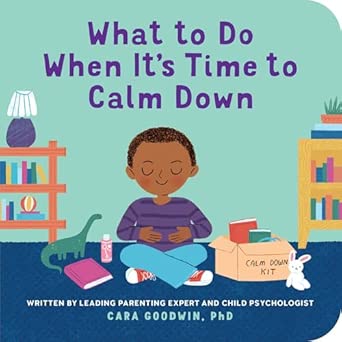 | Best for Toddlers | ASIN: B0F8PH1BN7 | Product Type: Children’s book | Series: Big Feelings Books for Toddlers | VIEW LATEST PRICE | See Our Full Breakdown |
| My Magical Feelings: Teach Kids to Name and Tame Big Feelings and Emotions (The Magic of Me) |  | Best Imaginative Feelings Guide | ASIN: 1951597176 | Product Type: Children’s book | Series: The Magic of Me | VIEW LATEST PRICE | See Our Full Breakdown |
| In My Heart: A Book of Feelings (Growing Hearts) |  | Best Overall Feelings Vocabulary Book | ASIN: 1419713108 | Title: In My Heart: A Book of Feelings | Series: Growing Hearts | VIEW LATEST PRICE | See Our Full Breakdown |
| A Little SPOT: My First Emotions |  | Best First Emotions Starter | ASIN: 1951287975 | Title: A Little SPOT: My First Emotions | Series: A Little SPOT | VIEW LATEST PRICE | See Our Full Breakdown |
| The Feelings Book |  | Best Simple Preschool Pick | ASIN: 0316012491 | Title: The Feelings Book | Format: Book | VIEW LATEST PRICE | See Our Full Breakdown |
| What to Do When You Feel Like Hitting: A No Hitting Book for Toddlers (Big Feelings Books for Toddlers) |  | Best for Big Feelings and Boundaries | ASIN: 1648766544 | Title: What to Do When You Feel Like Hitting | Series: Big Feelings Books for Toddlers | VIEW LATEST PRICE | See Our Full Breakdown |
| My Body Sends a Signal: Helping Kids Recognize Emotions and Express Feelings (Resilient Kids Series) |  | Best Body-Awareness Approach | ASIN: 3982142830 | Title: My Body Sends a Signal | Series: Resilient Kids Series | VIEW LATEST PRICE | See Our Full Breakdown |
More Details on Our Top Picks
The Rabbit Listened
The Rabbit Listened earns my top spot because it treats feelings less like a lesson to master and more like something children can sit with. Compared with The Color Monster, which labels emotions directly, this book models quiet empathy: Rabbit does not fix Taylor, distract her, or rush her. That makes it especially useful for families trying to teach listening, patience, and emotional support. The tradeoff is that its minimal plot may feel too spare for children who want action, humor, or lots of dialogue. It also focuses on one emotional moment rather than a broad feelings vocabulary. Still, for a roundup about children’s books about feelings, I rank it highest because it shows what emotional safety can look like, not just what emotions are called.
Pros:- Models empathy and active listening without sounding preachy
- Simple language works well for younger picture-book readers
- Shows children that support does not always mean fixing the problem
- Strong choice for conversations about sadness, disappointment, and comfort
Cons:- Minimal story movement may not hold the attention of older children
- Covers emotional support deeply but not a wide range of feelings
- Limited cast interaction gives it a narrower teaching scope than multi-emotion books
Best for: Parents, teachers, and caregivers who want a gentle picture book about empathy, listening, and being present with an upset child.
Not ideal for: Older children who prefer plot-heavy stories or readers who need a book that names many different emotions.
- ASIN:073522935X
- Book type:Children’s picture book
- Primary theme:Empathy and emotional support
- Main emotional skill:Active listening
- Story focus:Rabbit sits with Taylor when Taylor is upset
- Language style:Simple and accessible
- Best use case:Teaching presence, patience, and comfort
Bottom line: This is the best first pick for families who want a tender, memorable book about how to be with someone who is hurting.
The Boy with Big, Big Feelings (The Big, Big Series, 1)
The Boy with Big, Big Feelings stands out for children who feel emotions physically and intensely. Where The Rabbit Listened centers on receiving comfort, this pick gives the spotlight to a child whose feelings take up space, which can help sensitive readers feel less alone. I would place it above The Color Monster for children who already know happy, sad, and angry but need help seeing big feelings as manageable rather than shameful. Its drawback is that it is less tidy than a color-coded emotions book; the message depends more on identification than clear step-by-step coping. Some families may also want more direct strategies for calming down. Even so, its strength is emotional validation, especially for children who have been told they are too loud, too teary, or too much.
Pros:- Affirms children who experience emotions strongly
- Helpful for reducing shame around crying, worry, and overwhelm
- More emotionally layered than simple labeling books
- Series framing gives families room to continue with related themes
Cons:- Less direct as a coping guide than mindfulness-based options
- May be too abstract for toddlers who need concrete emotion labels
- Best suited to children who can follow a character-centered story
Best for: Families with highly sensitive children who need reassurance that intense emotions are real, normal, and manageable.
Not ideal for: Caregivers looking for a structured coping-skills workbook or a very basic first emotions primer.
- ASIN:150645450X
- Full title:The Boy with Big, Big Feelings
- Series:The Big, Big Series
- Series number:Book 1
- Book type:Children’s book about emotions
- Primary theme:Intense feelings and emotional acceptance
- Emotional focus:Big feelings, sensitivity, worry, sadness, and overwhelm
- Best use case:Helping children feel seen when emotions feel large
Bottom line: This pick makes the most sense for sensitive children who need to see their big feelings reflected with warmth rather than corrected.
The Color Monster: A Story About Emotions
The Color Monster is my pick for children who need a clear, visual way to sort feelings. Compared with The Rabbit Listened, it is less emotionally subtle but more direct: each feeling becomes easier to recognize because the book links emotions with bright color cues. That makes it a strong starter choice for preschoolers, classrooms, and visual learners. Against The Boy with Big, Big Feelings, it feels more instructional and less validating for children with intense emotions, so it may not be the best match for kids who already know the basics. The tradeoff is simplicity. Its limited text and straightforward concept help younger readers, yet advanced readers may want more story, more nuance, or real coping tools. I like it most as an emotion-labeling foundation.
Pros:- Makes emotions easy to distinguish through color association
- Vibrant illustrations support visual learners
- Clear structure works well for group reading and classroom discussion
- Strong starting point for emotional vocabulary
Cons:- May feel too basic for children who already name emotions easily
- Limited text gives less narrative depth than character-driven picks
- Focuses more on identification than on what to do with feelings
Best for: Preschool families and early childhood classrooms teaching children to identify and name basic feelings.
Not ideal for: Advanced young readers or emotionally aware children who need deeper coping strategies and richer storytelling.
- ASIN:0316450014
- Full title:The Color Monster: A Story About Emotions
- Book type:Children’s picture book
- Primary theme:Emotional awareness
- Teaching method:Color-based emotion identification
- Main character:Colorful monster character
- Visual style:Vibrant illustrations
- Best use case:Teaching basic emotion names
Bottom line: Choose this one when the main goal is helping younger children sort and name emotions in a concrete visual way.
The Big Feelings Book for Children: Mindfulness Moments to Manage Anger, Excitement, Anxiety, and Sadness
The Big Feelings Book for Children fills a different need from story-led picks. While The Rabbit Listened shows emotional presence and The Color Monster teaches labels, this book is more about mindfulness moments children can use when anger, excitement, anxiety, or sadness rises. That makes it a practical choice for families, counselors, and classrooms that want language plus action. The tradeoff is that it may feel less cozy as a bedtime read and less storylike than The Boy with Big, Big Feelings. Children who resist guided exercises may need an adult to keep the pace gentle. Still, I would choose this when the buying goal is not only naming feelings but giving children repeatable calming tools they can practice outside reading time.
Pros:- Connects emotions with practical mindfulness moments
- Covers multiple common feelings rather than one narrow scenario
- Better for skill-building than simple emotion-labeling books
- Useful in classrooms, therapy-adjacent settings, or home calming routines
Cons:- Less story-driven than traditional picture books
- Some children may need adult guidance to engage with the exercises
- May feel too instructional for readers who want a warm narrative
Best for: Caregivers, teachers, and counselors who want a feelings book with concrete mindfulness practices for common emotional states.
Not ideal for: Families seeking a lyrical picture book or a character-driven story for casual bedtime reading.
- ASIN:1638781494
- Full title:The Big Feelings Book for Children
- Subtitle:Mindfulness Moments to Manage Anger, Excitement, Anxiety, and Sadness
- Book type:Children’s feelings and mindfulness book
- Primary theme:Managing big emotions
- Emotions covered:Anger, excitement, anxiety, and sadness
- Teaching method:Mindfulness-based moments
- Best use case:Practicing calming and self-regulation skills
Bottom line: This is the strongest choice when a child needs usable calming strategies, not just a story about feelings.
Harper Handles Big Feelings: Lessons for Littles on Anger, Worry, Frustration, and Other Emotions
Harper Handles Big Feelings sits between a storybook and a coaching tool, which gives it a useful role in this lineup. Compared with The Big Feelings Book for Children, it sounds less like a mindfulness manual and more like a child-facing lesson book for everyday struggles such as anger, worry, and frustration. Compared with The Color Monster, it reaches beyond naming emotions into what children can learn from them. The tradeoff is that lesson-led books can feel more direct than magical or poetic, so families wanting a softer emotional story may prefer The Rabbit Listened. It may also cover several feelings without going as deeply into one as a single-emotion title. I would pick it for caregivers who want practical emotional language without moving fully into workbook territory.
Pros:- Covers several common childhood emotions in one book
- Lesson-based framing supports parent-child conversations
- More practical than simple emotion-identification titles
- Good bridge between storytime and emotional coaching
Cons:- May feel more instructional than lyrical
- Broad coverage can limit depth on any single feeling
- Less specialized than dedicated anxiety, anger, or calming-down books
Best for: Parents of preschool and early elementary children who want everyday language for anger, worry, frustration, and other common feelings.
Not ideal for: Readers who want a purely narrative picture book or a book focused deeply on one specific emotion.
- ASIN:0593886143
- Full title:Harper Handles Big Feelings
- Subtitle:Lessons for Littles on Anger, Worry, Frustration, and Other Emotions
- Book type:Children’s book about big feelings
- Primary theme:Emotional coaching for young children
- Emotions covered:Anger, worry, frustration, and other emotions
- Teaching style:Lesson-based guidance for littles
- Best use case:Everyday parent-child talks about feelings
Bottom line: This pick is best for families who want a practical, child-friendly way to talk through everyday emotional flare-ups.
A Little SPOT of Emotion 8 Book Box Set (Books 1-8: Anger, Anxiety, Peaceful, Happiness, Sadness, Confidence, Love, & Scribble Emotion)
A Little SPOT of Emotion 8 Book Box Set earns its place because it gives families a structured feelings library rather than one story about one mood. Compared with Ruby Finds a Worry, which narrows in on anxiety through narrative, this set works better when a child needs repeated language for anger, sadness, confidence, love, and calm. I see it as the most useful pick for adults who want a shared vocabulary they can return to during real moments. The tradeoff is that it may feel more instructional than tender; children who connect best through a single character arc may prefer The Invisible String or Ruby. It also takes more shelf space and adult follow-through than a one-book option, but the breadth makes it unusually practical for ongoing emotional coaching.
Pros:- Covers multiple common childhood emotions in one coordinated set
- Useful for repeated emotional vocabulary practice at home or school
- The themed books make it easier to match a story to a child’s current feeling
- Box-set format offers more range than single-topic books
Cons:- Less story-driven than character-led books like Ruby Finds a Worry
- Requires more adult guidance to get full value from the full set
- A larger purchase than a single picture book
Best for: Parents, teachers, and counselors who want a multi-book toolkit for naming and practicing several feelings over time.
Not ideal for: Families seeking one warm bedtime story, since the boxed-set format feels more like guided emotional learning.
- ASIN:1951287134
- Product Type:Children’s book box set
- Book Count:8 books
- Series:A Little SPOT of Emotion
- Book Range:Books 1-8
- Included Feelings:Anger, anxiety, peaceful, happiness, sadness, confidence, love, and scribble emotion
- Primary Focus:Emotional naming and self-regulation
Bottom line: Choose this set when you want a broad emotional vocabulary tool, not just one comforting story.
The Invisible String
The Invisible String stands apart because it addresses loss, distance, and grief, while most books in this lineup focus on everyday emotional regulation. Compared with A Little SPOT of Emotion 8 Book Box Set, it is less of a skills program and more of a comfort object: the invisible string metaphor gives children a simple way to imagine connection when someone is absent. That makes it especially strong for death, separation anxiety, divorce, deployment, or long-distance family bonds. The limitation is that the metaphor may need adult explanation, especially for very literal young readers. It also does not teach a full range of feelings the way My Magical Feelings tries to do. Still, for one specific emotional need, this is the pick I would rank highest.
Pros:- Gives children a gentle metaphor for emotional connection
- Well suited to grief, separation, and difficult family conversations
- Hardcover format works well as a keepsake or repeated read
- More emotionally specific than general feelings books
Cons:- Younger or literal-minded children may need adult interpretation
- Simple language may feel too light for older children with complex grief
- Less useful for anger, frustration, or day-to-day self-regulation
Best for: Families helping a child process grief, separation, or missing someone they love.
Not ideal for: Buyers who want a broad emotions curriculum, since this book centers on connection rather than naming many feelings.
- ASIN:031648623X
- ISBN-13:031648623X
- Format:Hardcover
- Product Type:Children’s book
- Primary Theme:Death, grief, and separation
- Core Device:Invisible string metaphor
- Emotional Focus:Connection with loved ones during hard times
- Adult Role:May require guided discussion for younger readers
Bottom line: Pick this when the core need is comfort around absence, loss, or separation.
Ruby Finds a Worry (Big Bright Feelings)
Ruby Finds a Worry is the most focused pick here for children who get stuck on worry and anxious thoughts. Where A Little SPOT of Emotion 8 Book Box Set spreads attention across many emotions, Ruby gives one feeling room to build, linger, and be named. That story shape matters: it helps children see worry as something that can grow when hidden and shrink when shared. Compared with What to Do When It’s Time to Calm Down, this is better for reflective kids who respond to character and mood rather than step-by-step prompts. The drawback is narrowness; it does not cover anger, grief, or confidence in the same sitting. It may also feel too abstract for toddlers who need concrete calming actions right away.
Pros:- Focuses clearly on worry without crowding the message
- Uses a story arc to show how hidden feelings can grow
- A good bridge between emotional naming and asking for help
- More narrative and reflective than many feelings workbooks
Cons:- Narrower emotional range than multi-feeling books or boxed sets
- May be too abstract for very young toddlers
- Less directly useful during an active meltdown
Best for: Preschool and early elementary children who need a gentle story about worry, anxiety, and talking about hard feelings.
Not ideal for: Toddlers who need immediate calming instructions, since the book’s value comes through story rather than direct coaching.
- ASIN:1547607246
- Product Type:Children’s book
- Series:Big Bright Feelings
- Primary Feeling:Worry
- Emotional Category:Anxiety and anxious thoughts
- Story Focus:Recognizing and talking about worry
- Best Use Case:Reflective read-aloud discussion
Bottom line: Choose Ruby when worry is the feeling your child most needs help naming and sharing.
What to Do When It’s Time to Calm Down (Big Feelings Books for Toddlers)
What to Do When It’s Time to Calm Down has the clearest role in this group: it is built for young children who need simple regulation cues. Compared with Ruby Finds a Worry, this pick is less about exploring one feeling through a story and more about what a toddler can do next when emotions run hot. That makes it useful for parents who want language they can reuse during tantrums, frustration, or overstimulation. It is also more age-targeted than The Invisible String, which asks children to understand a metaphor. The tradeoff is depth. Older kids may outgrow it quickly, and families wanting a wider emotional map may find it too narrow. Still, for practical calm-down routines, it fills a gap the more poetic books do not.
Pros:- A toddler-specific approach to big feelings
- More action-oriented than story-heavy anxiety books
- Useful for repeat phrases during tense moments
- Focused enough for short attention spans
Cons:- Less emotionally layered than books for preschool and early elementary readers
- May feel too basic once children can discuss feelings in more detail
- Covers calming down more than the full range of emotions
Best for: Parents and caregivers of toddlers who need short, concrete language for calming down in the moment.
Not ideal for: Older children who are ready for fuller stories about causes, consequences, and emotional reflection.
- ASIN:B0F8PH1BN7
- Product Type:Children’s book
- Series:Big Feelings Books for Toddlers
- Primary Skill:Calming down
- Target Reader:Toddlers
- Emotional Focus:Big feelings and self-regulation
- Best Use Case:In-the-moment calming routines
Bottom line: This is the practical pick for toddler households that need calm-down language more than a layered story.
My Magical Feelings: Teach Kids to Name and Tame Big Feelings and Emotions (The Magic of Me)
My Magical Feelings is the lineup’s best fit for families who want emotional literacy wrapped in a playful, magical theme. Compared with What to Do When It’s Time to Calm Down, it appears broader and more imaginative, aiming to help children both name and manage big feelings rather than focusing only on calming. Against A Little SPOT of Emotion 8 Book Box Set, it is a simpler one-book entry point, so it is easier to buy and read without committing to a full set. The weakness is that the provided product data is limited, so buyers have less detail about exact format, page count, or age range. It may also skew young, which means older children may find the magic framing too light for their emotional questions.
Pros:- Uses magical storytelling to make emotional naming feel approachable
- Covers both naming and managing big feelings
- A simpler one-book choice than a full boxed set
- Part of The Magic of Me series for child development themes
Cons:- Limited product details are available in the provided data
- Likely less suitable for older children who want a more grounded tone
- May not go as deep on any single feeling as Ruby Finds a Worry
Best for: Families with younger children who respond well to imaginative framing and need a one-book introduction to naming big feelings.
Not ideal for: Buyers who want detailed format information or a more mature emotional discussion for older children.
- ASIN:1951597176
- Product Type:Children’s book
- Series:The Magic of Me
- Primary Focus:Naming and taming big feelings
- Teaching Style:Magical storytelling and interactive concepts
- Emotional Category:Feelings and emotions
- Target Audience:Younger children
- Product Detail Note:Limited details available in provided data
Bottom line: Pick this when you want a gentle, imaginative first step into emotional literacy.
In My Heart: A Book of Feelings (Growing Hearts)
I place In My Heart highest in this batch because it gives feelings a wide emotional range without turning the reading moment into a lesson plan. Compared with The Feelings Book, it feels more lyrical and reflective, which helps children connect emotion words with inner experience rather than only naming moods. It also has broader staying power than What to Do When You Feel Like Hitting, which is more behavior-specific. The tradeoff is that this pick may be less direct for toddlers who need concrete scripts in the moment. I would choose it for families who want a repeat-read book that builds self-expression, but not for buyers wanting step-by-step coping tools.
Pros:- Broad emotional range supports richer feelings vocabulary
- Reflective tone works well for shared reading and discussion
- More lasting than single-situation behavior books
- Strong fit for emotional intelligence and self-expression
Cons:- Less concrete than books with direct calming or no-hitting scripts
- Provided product data does not specify age range or content depth
- May feel too abstract for very young toddlers
Best for: Families building a home library around emotional vocabulary, self-expression, and repeat read-alouds across several ages.
Not ideal for: Toddlers who need direct behavior coaching, since the book is more reflective than instructional.
- ASIN:1419713108
- Title:In My Heart: A Book of Feelings
- Series:Growing Hearts
- Format:Book
- Primary Topic:Feelings and emotional growth
- Core Skill:Emotional intelligence and self-expression
- Audience Note:Suitable for readers of all ages, per provided data
- Content Detail:Specific content depth not provided
Bottom line: This is my strongest pick for families who want one beautiful, flexible book for naming and talking about many feelings.
A Little SPOT: My First Emotions
A Little SPOT: My First Emotions earns its place as the most approachable starting point for buyers who want basic emotion naming before moving into bigger stories. Compared with A Little SPOT of Emotion 8 Book Box Set, this single-book option is simpler and less costly to commit to, which makes it easier for families testing whether the SPOT style fits. Against In My Heart, it is likely more direct and beginner-friendly, but it may not offer the same emotional nuance or read-aloud richness. I would use this as a first step for preschoolers who need clear categories. The main drawback is scope: buyers wanting many feelings, coping tools, or story depth may outgrow it quickly.
Pros:- Good entry point for first emotion vocabulary
- Single-book format is easier to try than a full boxed set
- Likely clearer for beginners than more lyrical feelings books
- Fits quick read-aloud moments with young children
Cons:- Narrower than the A Little SPOT 8 Book Box Set
- Provided product data lacks page count, age range, and format details
- May feel too basic for children already naming feelings confidently
Best for: Parents, preschool teachers, and caregivers introducing emotion words for the first time with a low-commitment single book.
Not ideal for: Families ready for a fuller emotional learning set, since the 8 Book Box Set covers more feelings in greater breadth.
- ASIN:1951287975
- Title:A Little SPOT: My First Emotions
- Series:A Little SPOT
- Format:Book
- Primary Topic:First emotions
- Core Skill:Early emotion recognition
- Product Scope:Single-book introduction
- Provided Description:No description supplied
Bottom line: This pick makes the most sense as a gentle first emotions book before buying a broader feelings series.
The Feelings Book
I rank The Feelings Book as the easiest preschool choice because it pairs bright illustrations with simple language that keeps the focus on recognition rather than long explanations. Compared with In My Heart, this is more immediate and less poetic, which can help younger children who respond better to direct naming. It also covers broader emotional awareness than What to Do When You Feel Like Hitting, though it does not offer the same practical help for aggressive impulses. The tradeoff is age range: preschoolers are the sweet spot, while older children may need more layered examples. I would pick it for quick, cheerful emotion practice, not for families seeking deeper coping strategies.
Pros:- Simple language suits young readers
- Bright illustrations help hold preschool attention
- Broadly introduces emotional awareness
- Easy to use for quick feelings check-ins
Cons:- Limited depth for older or more emotionally advanced readers
- Less focused on coping skills than behavior-specific books
- Primarily aimed at preschool-aged children
Best for: Preschool families and early childhood classrooms that want a colorful, simple feelings primer for short read-aloud sessions.
Not ideal for: Older children who already know basic emotion words and need richer scenarios or coping language.
- ASIN:0316012491
- Title:The Feelings Book
- Format:Book
- Primary Topic:Understanding and expressing feelings
- Illustration Style:Colorful, eye-catching illustrations
- Language Level:Simple text for young readers
- Best Age Fit:Primarily preschool-aged children, per provided data
- Depth Level:Introductory
Bottom line: This is the pick I would choose for a simple preschool emotions primer with low reading friction.
What to Do When You Feel Like Hitting: A No Hitting Book for Toddlers (Big Feelings Books for Toddlers)
What to Do When You Feel Like Hitting has the clearest job in this lineup: it turns one hard feeling pattern into specific behavior guidance. Compared with The Feelings Book, it is less broad but more useful when a child needs help replacing hitting with safer responses. Compared with What to Do When It’s Time to Calm Down, this title appears more targeted to aggression and physical impulses rather than general calming. That focus is also its limitation. I would not make it the only feelings book in a home library, because it does not cover the same emotional range as In My Heart. Still, for toddlers who hit when overwhelmed, its narrowness is the reason to buy it.
Pros:- Directly addresses hitting rather than vague big-feelings language
- Toddler-specific framing fits early behavior coaching
- More action-oriented than general feelings primers
- Useful for caregivers who need shared language around boundaries
Cons:- Narrow focus means it will not replace a broader feelings book
- Provided product data lacks page count, author, and age details
- May feel too issue-specific for children who are not struggling with hitting
Best for: Parents and daycare providers working with toddlers who hit, push, or use their bodies when emotions get too big.
Not ideal for: Families wanting a broad emotions overview, since this book is centered on one behavior challenge.
- ASIN:1648766544
- Title:What to Do When You Feel Like Hitting
- Series:Big Feelings Books for Toddlers
- Format:Book
- Primary Topic:No hitting and toddler emotions
- Core Skill:Replacing hitting with safer responses
- Audience:Toddlers, per title
- Product Scope:Behavior-specific feelings book
Bottom line: This is the book I would reach for when the buying goal is safer behavior during big feelings, not broad emotion exploration.
My Body Sends a Signal: Helping Kids Recognize Emotions and Express Feelings (Resilient Kids Series)
My Body Sends a Signal stands apart because it links feelings to body cues, which can help children notice emotions before they can fully explain them. Compared with In My Heart, this pick sounds more skills-based and practical, while The Feelings Book is simpler for basic naming. It also has a wider emotional frame than What to Do When You Feel Like Hitting, since it is not limited to one behavior. The tradeoff is uncertainty around format details: the provided data does not give page count or age guidance, so buyers may need to judge fit from the child’s maturity. I would choose it for kids who need help connecting physical signals with expression.
Pros:- Connects emotions with body awareness
- Supports both recognition and expression
- Broader than single-behavior titles
- Part of the Resilient Kids Series focused on emotional development
Cons:- Provided data does not include page count or age recommendation
- May be less instantly simple than basic preschool emotion books
- Body-signal framing may need adult discussion to land well
Best for: Children who feel emotions physically and need help connecting body signals with words and healthy expression.
Not ideal for: Buyers who need clearly stated age guidance or page count before purchase, since those details are not supplied here.
- ASIN:3982142830
- Title:My Body Sends a Signal
- Series:Resilient Kids Series
- Format:Book
- Primary Topic:Recognizing emotions and expressing feelings
- Core Skill:Body-signal awareness
- Scenario Style:Relatable scenarios, per provided data
- Age Details:Not provided
Bottom line: This is my pick for families who want children to notice what feelings feel like in the body, then name and express them.

How We Picked
I ranked these titles by emotional clarity, age fit, read-aloud flow, caregiver usefulness, and repeat-read value. A book scored higher when it helped a child recognize a feeling without shame and gave adults language they could reuse during a real hard moment. I also weighed whether the book offers comfort, vocabulary, or coping practice, because those are different jobs. A gentle narrative can be more useful than a workbook for bedtime, while a skill-building book may be better when a child needs a concrete calming script.
The final order favors books with broad emotional range and lasting usefulness over titles that solve one narrow behavior problem. That is why The Rabbit Listened lands above more instructional picks: it works for sadness, anger, disappointment, and repair without forcing a tidy fix. Books like The Color Monster and In My Heart rank well for naming feelings, while behavior-specific books sit lower because they are better as targeted add-ons. Boxed sets and activity-style books earned credit for coverage, but I treated lesson-heavy formats as a tradeoff for families who want a quieter story.
Factors to Consider When Choosing Best Children’s Books About Feelings
Choosing among the best children’s books about feelings is less about finding the longest book and more about matching the emotional job in front of you. I would choose differently for a toddler who hits, a preschooler learning feeling words, an anxious early reader, or a classroom that needs a shared vocabulary. The best pick is the one a child will accept when emotions are already running high, not only the one with the largest topic list.
Start With the Emotional Job
Before picking a title, I would name the main need: labeling emotions, easing worry, handling anger, separation comfort, or building body awareness. A child who cannot yet tell anger from sadness may gain more from The Color Monster than from a coping workbook. A child who already names feelings but gets overwhelmed may need the scripts in What to Do When It’s Time to Calm Down or The Big Feelings Book for Children. For grief, separation, or missing someone, The Invisible String does a different job than a general feelings book. The common mistake is buying the broadest book and expecting it to solve every moment. A tighter match usually creates faster buy-in, especially with younger children.
Match the Book to the Child’s Age
Toddlers need short text, clear cause and effect, and repeated phrases that can be borrowed during a hard moment. That is why What to Do When You Feel Like Hitting and What to Do When It’s Time to Calm Down are more practical for very young children than The Big Feelings Book for Children. Preschoolers often respond well to color, faces, and simple metaphors, so The Color Monster and A Little SPOT: My First Emotions fit that stage nicely. Early elementary readers can handle more layered books like The Boy with Big, Big Feelings, Ruby Finds a Worry, and My Body Sends a Signal. Buying too far above a child’s stage can turn a helpful topic into a lecture. I would rather choose a book that feels a little simple than one that asks for more patience than the child has available.
Choose Story, Vocabulary, or Practice
These books split into three rough lanes: story comfort, emotion labeling, and skill practice. The Rabbit Listened and The Invisible String are strongest when a child needs to feel understood before being coached. The Color Monster, In My Heart, The Feelings Book, and the SPOT books are better for building a shared feelings vocabulary. The Big Feelings Book for Children, Harper Handles Big Feelings, My Magical Feelings, and My Body Sends a Signal lean more toward adult-guided tools. None of those lanes is automatically better; the right one depends on whether the child needs warmth, words, or a next step. A balanced shelf can include one from each lane, but a first purchase should solve the most frequent emotional pinch point.
Watch for Shame and Over-Correction
A good feelings book should separate the child from the behavior: anger is allowed, hitting is not. That distinction matters because children learn faster when they do not feel labeled as bad for having a big reaction. Books that focus only on correction can be useful during a specific phase, but they may feel too narrow for everyday reading. What to Do When You Feel Like Hitting works best as a direct behavior tool, while The Rabbit Listened gives a wider emotional model around disappointment and repair. I would be cautious with any book that rushes a child into calm before naming what happened. The strongest picks give both sides: permission to feel and a clear path back to connection.
Think About Shelf Life and Setting
Single storybooks usually win on reread value, while sets and workbook-style books win on coverage. The A Little SPOT of Emotion 8 Book Box Set makes sense when a caregiver, therapist, or teacher wants one language system across many emotions. For a home shelf, that same breadth can feel like more book than a child wants during bedtime. Premium-priced sets are easier to justify when they will serve multiple children or be used in a classroom. If the goal is one book that will stay useful for years, The Rabbit Listened, Ruby Finds a Worry, and The Invisible String have broader emotional shelf life. I would pay more for range and repeat use, not just for a larger stack of pages.
Frequently Asked Questions
Which children’s book about feelings should I buy first if I only want one?
If I had to choose one, I would start with The Rabbit Listened because it fits the most emotional situations without feeling like a lesson. It is especially strong for disappointment, sadness, frustration, and the need to be heard before a child is ready for advice. The Color Monster is easier for early emotion naming, but it is more limited when the child already knows the basic words. For a first book that can grow with the family, quiet emotional support matters more than a long list of feelings.
Is The Color Monster or In My Heart better for teaching feeling words?
The Color Monster is the better starter pick for children who need clean categories because the color structure keeps emotions easy to sort. In My Heart is richer and more poetic, which makes it lovely for children who already enjoy abstract language. If a child gets confused by metaphors, The Color Monster will likely land faster. If bedtime warmth and emotional nuance matter more than direct teaching, In My Heart has the softer read-aloud feel. I would pick The Color Monster for preschool learning and In My Heart for a slightly older or more reflective child.
Are boxed sets like A Little SPOT worth it for one child?
A Little SPOT of Emotion 8 Book Box Set is worth the upgrade when you want structured coverage across many feelings and a consistent vocabulary. It makes less sense if the child mostly needs one narrow topic, such as worry or hitting, because several books may sit unread. Compared with A Little SPOT: My First Emotions, the boxed set gives more depth but asks for more shelf space, time, and adult follow-through. For classrooms, therapy offices, or siblings at different stages, the set has a stronger case. For a single beginner, I would start smaller and expand only if the SPOT language clicks.
Which books work best for toddlers who hit, yell, or melt down?
For toddlers, I would prioritize short, direct books over abstract emotional language. What to Do When You Feel Like Hitting is the most targeted choice when the behavior itself needs a simple replacement action. What to Do When It’s Time to Calm Down is broader and better when the main issue is getting from upset back to regulated. The tradeoff is shelf life: these books are very useful during a phase, but they may feel too simple once the child is older. Pairing one behavior book with The Rabbit Listened gives both a practical script and a gentler emotional frame.
What should I pick for anxiety, separation, or worry?
For everyday worry, Ruby Finds a Worry is the clearest match because it shows how a worry can grow when it stays hidden and shrink when it is shared. For separation anxiety, grief, or missing someone, The Invisible String is more focused on connection across distance. The Rabbit Listened can also help, but it is less specific and works better when the feeling is hard to name. If the child notices stomachaches, tight muscles, or other body signals before naming the emotion, My Body Sends a Signal may be the smarter supporting pick. I would choose based on how the child describes distress: worry thoughts, missing someone, or body sensations.
Conclusion
If I were choosing for most families, I would start with The Rabbit Listened as the best overall because it gives children space to feel before anyone tries to fix the problem. For best value, The Color Monster gives the clearest emotion-labeling payoff in a single, approachable book. For beginners, A Little SPOT: My First Emotions is the easiest SPOT entry point without committing to a full set. Families who want the broadest resource should choose the A Little SPOT of Emotion 8 Book Box Set as the premium pick.
For toddlers with hitting or hard-to-stop reactions, I would choose What to Do When You Feel Like Hitting or What to Do When It’s Time to Calm Down, depending on whether the problem is aggressive behavior or general regulation. For anxiety, Ruby Finds a Worry is the cleanest match; for separation, grief, or missing someone, The Invisible String has the clearest purpose. For children who feel emotions in their bodies before they can name them, My Body Sends a Signal fills a gap the storybooks do not. For a warmer, more lyrical feelings shelf, In My Heart works best as a companion rather than the only book. The right choice is less about buying all 15 and more about pairing one broad book with one targeted book that matches the child in front of you.